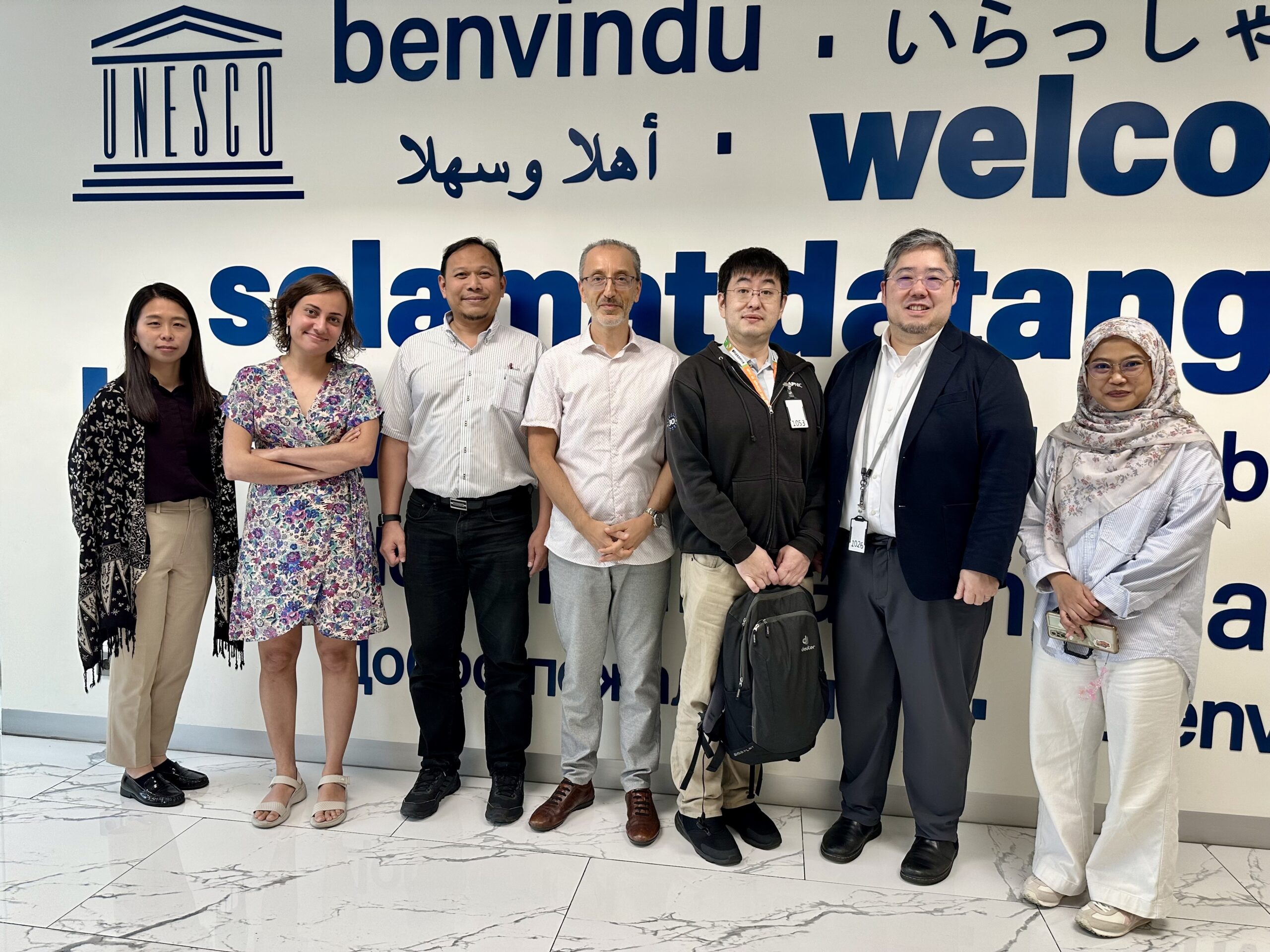
Featured image caption: (from the left) Kasumi Ochi (UNESCO), Fereshteh R. Najafabadi (UNESCO), Achmad Husni Thamrin (SOI Asia), Engin Koncagul (UNESCO), Noriatsu Kudo (Keio University), Marcos S. Maekawa (APNIC Foundation), and Fitrie A. Nurritasari (UNESCO).
The SOI Asia delegation visited the UNESCO Jakarta office for what was initially planned as a brief exchange of updates. The meeting quickly evolved into a forward-looking discussion on potential areas of collaboration across Open Science, digital credentials, and inclusive knowledge systems.
Open Science emerged as a central theme, with shared recognition of the need to strengthen capacity, transparency, and regional participation in research practices across the Asia Pacific. The discussion highlighted opportunities to connect technical communities, academic institutions, and policy frameworks in more integrated ways.
Particular interest was expressed in SOI Asia’s experience with digital micro-credentials through Inxignia, especially as UNESCO continues exploring accessible, online learning and recognition mechanisms. The Evidence-Based Approach (EBA) initiatives were also discussed as complementary pathways for structured collaboration and knowledge exchange.
While the visit began as a routine update, it concluded with clear enthusiasm for deepening engagement and identifying concrete next steps.
The conversation reaffirmed the value of sustained dialogue between technical education networks and international organizations working at the intersection of science, culture, and inclusive digital development.
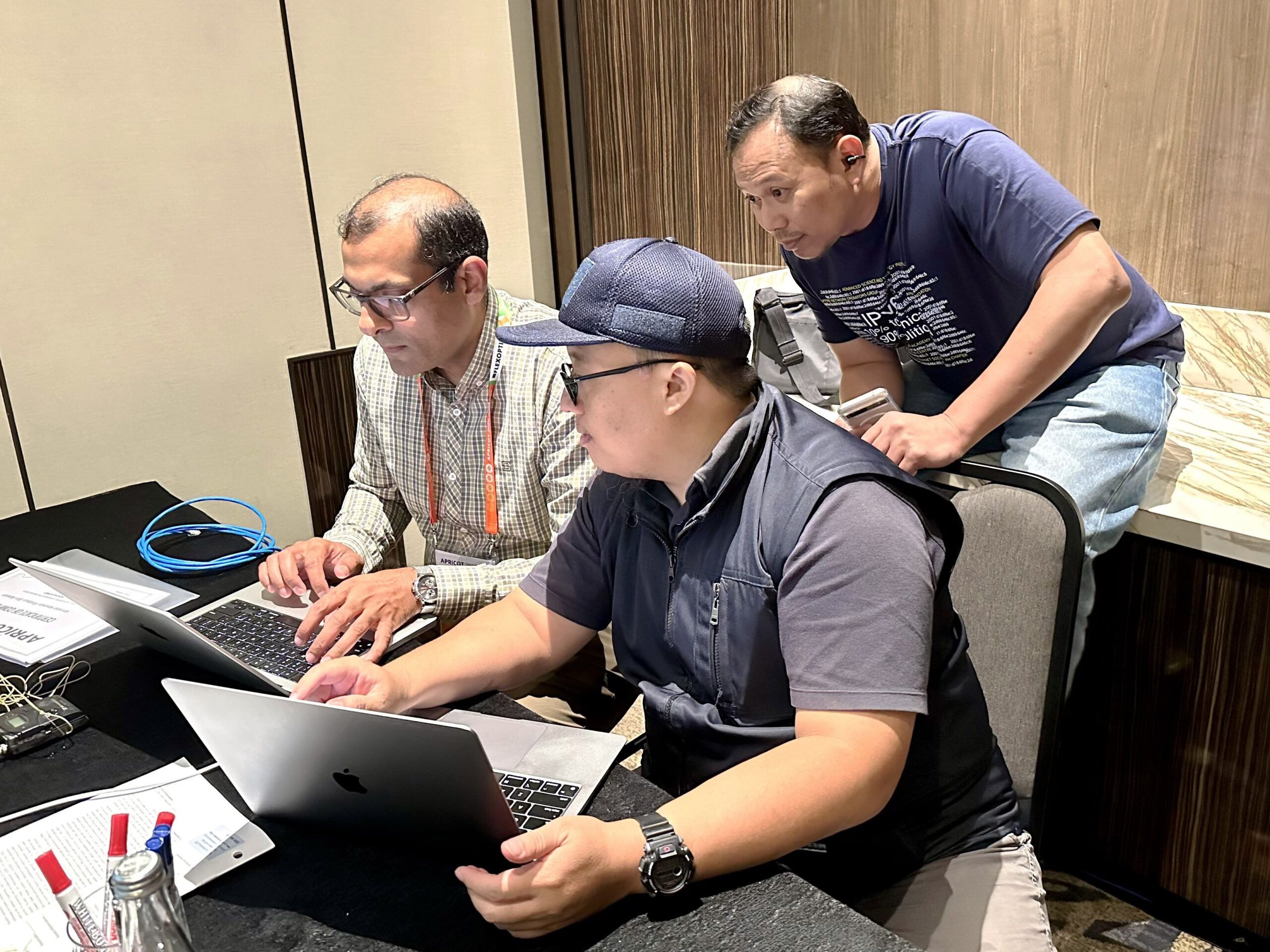
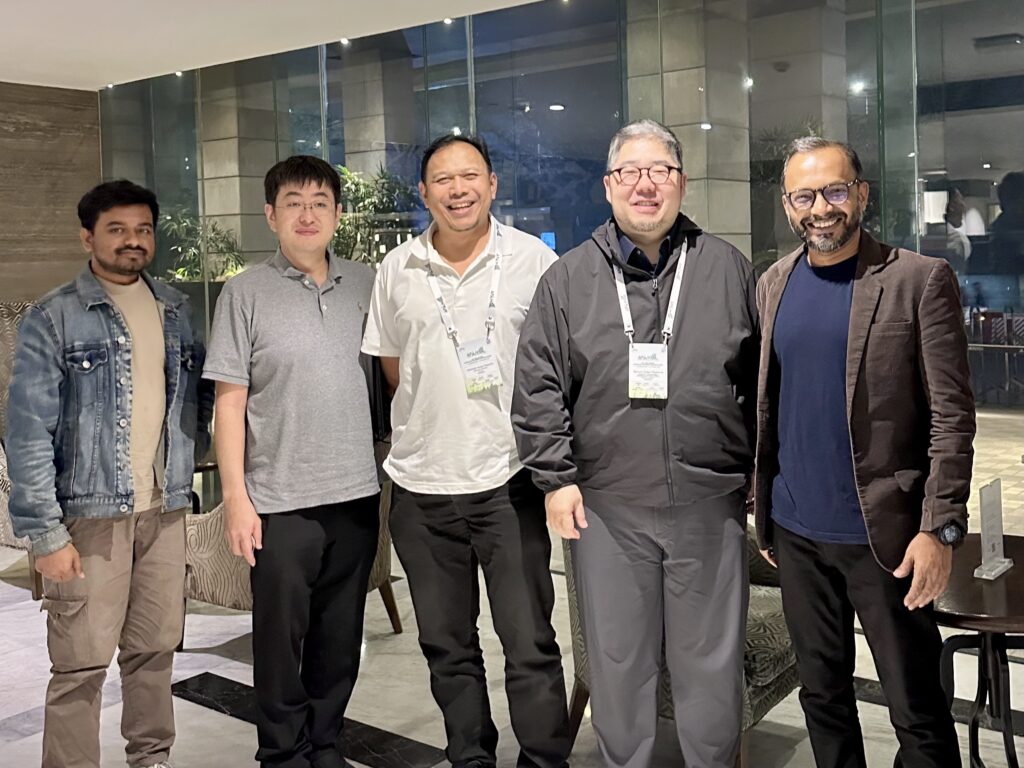
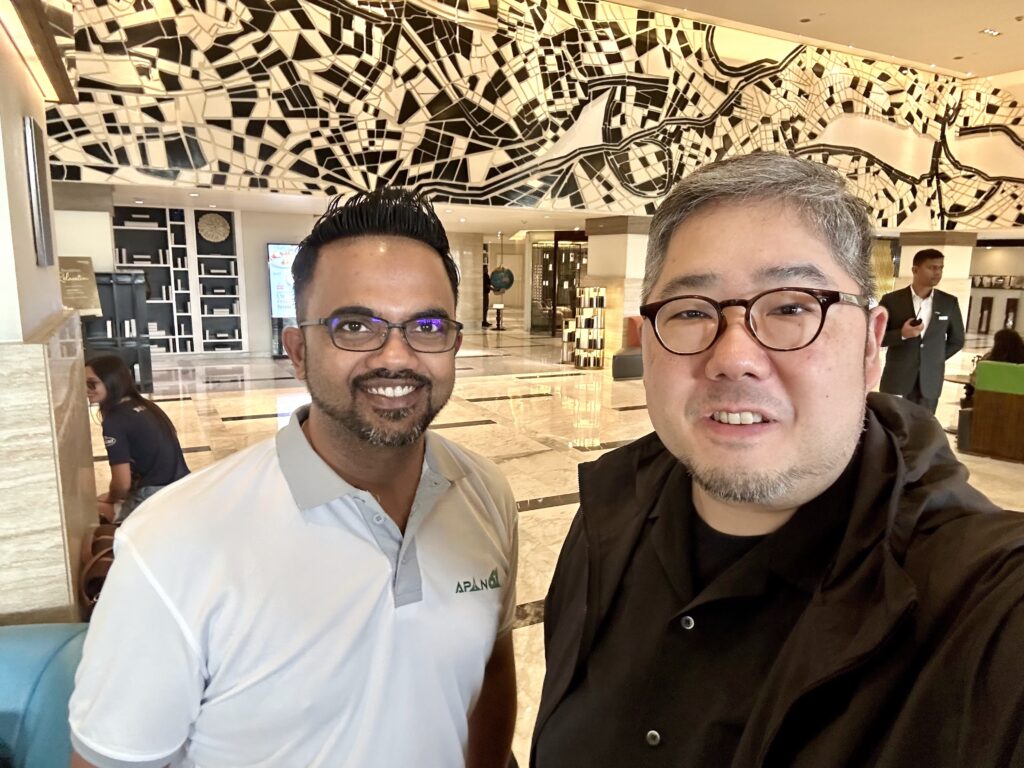
*Feature image caption: (in the from line, from the left) Aftab Siddiqui (APRICOT/APNIC Foundation), Andrei Ferrian (SOI Asia), (in the back) Achmad Husni Thamrin (SOI Asia).
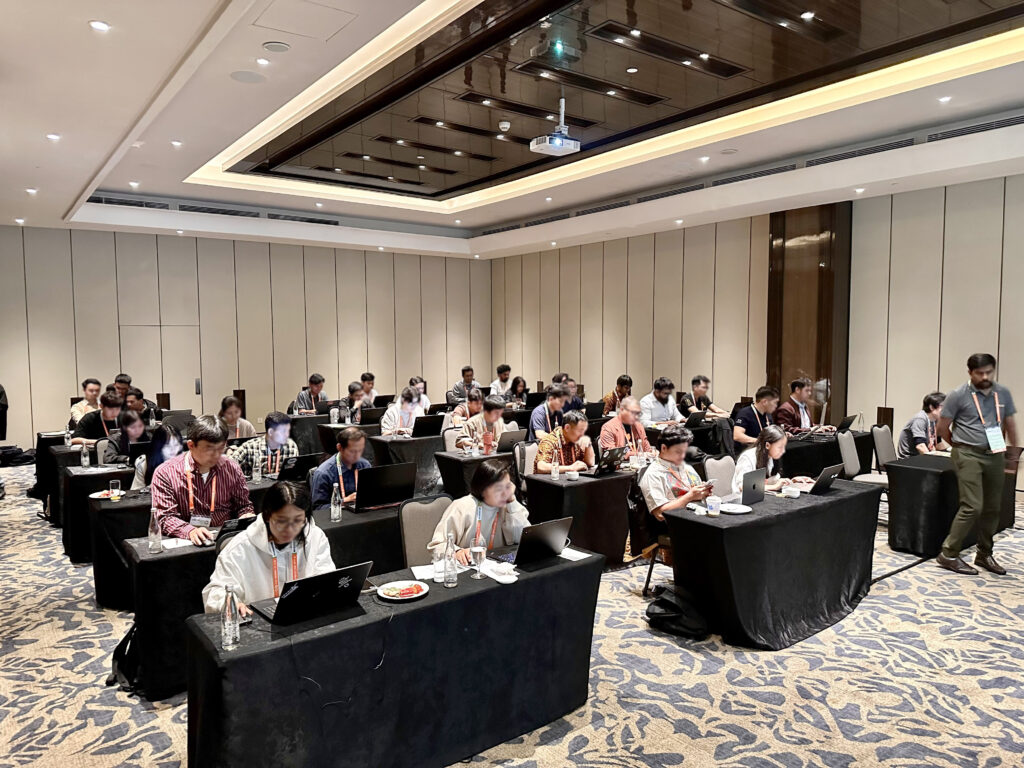
At APRICOT 2026 in Jakarta, Inxignia digital badges were issued during the BGP Masterclass — marking the first time that credentials from the SOI Asia micro-credential platform were adopted beyond the SOI Asia community.
Participants who successfully completed the technical tasks at the end of the workshop received verifiable digital badges in addition to certificates of participation. Rather than recognizing attendance alone, the badges validated demonstrated skills and learning outcomes.
Feedback from the APRICOT team indicated strong engagement from participants, with many showing clear commitment to completing the required tasks in order to earn their badges. The presence of a verifiable credential appeared to reinforce both motivation and accountability in the learning process.
Originally developed to support learning mobility and recognize diverse educational experiences across the SOI Asia network, Inxignia uses Open Badges standards to make technical achievements visible beyond formal education settings. Its adoption at APRICOT signals a broader relevance for digital credentials in community-based technical training across the Asia Pacific.
As short courses, workshops, and collaborative programs continue to shape how Internet professionals build skills, meaningful recognition mechanisms become increasingly important. The integration of Inxignia at APRICOT 2026 reflects a growing ecosystem interest in validating learning in flexible, accessible ways.
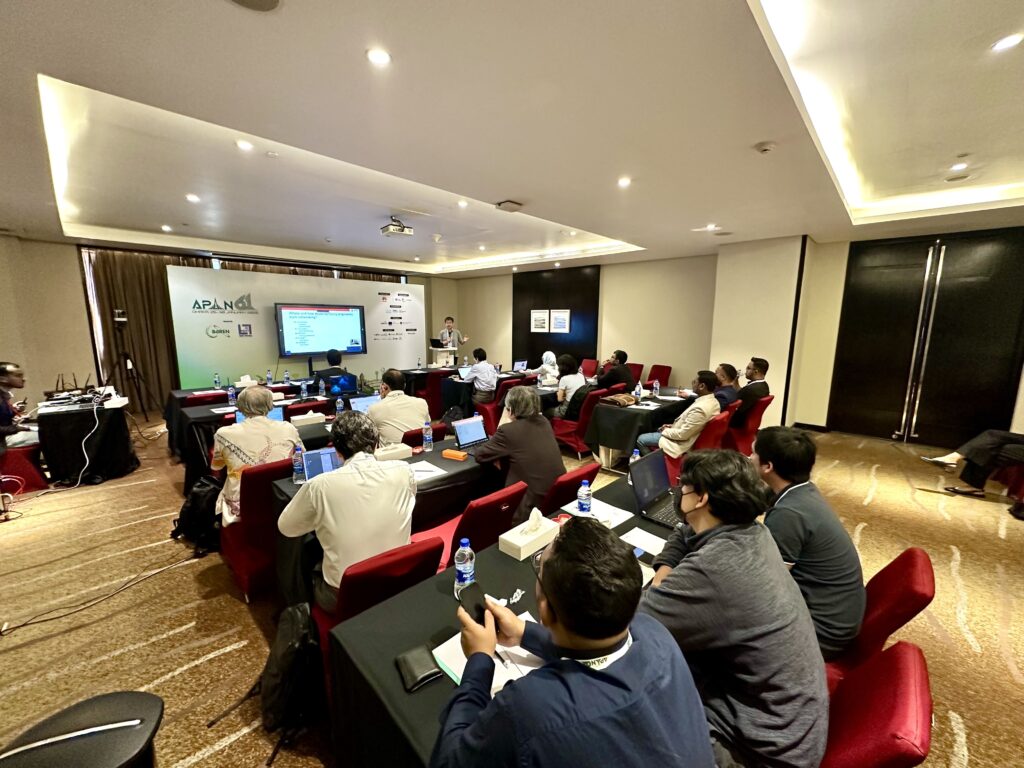
SOI Asia participated in APAN 61, held in Dhaka, Bangladesh, contributing to regional discussions on Internet education, capacity building, and collaboration across Asia and the Pacific. This participation followed the strengthening of SOI Asia’s relationship with the APAN community after the MoU signed at APAN 59 in Yokohama, and reflected continued engagement through joint sessions and partner collaboration.
SOI Asia–led session on learning pathways
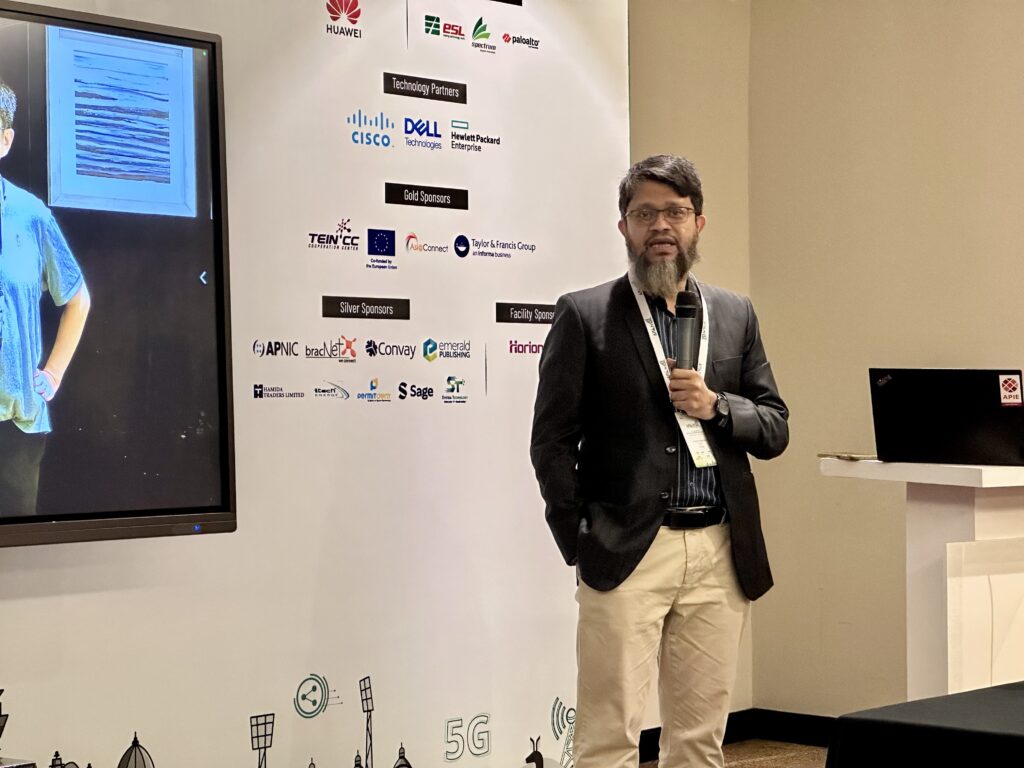
SOI Asia led a dedicated session titled Designing Learning Pathways for the Next Generation Internet Engineers, facilitated by Noriatsu Kudo, lead of the APIE program. The session highlighted SOI Asia’s approach to capacity building through collaboration among universities, research and education networks, industry, and learning communities.
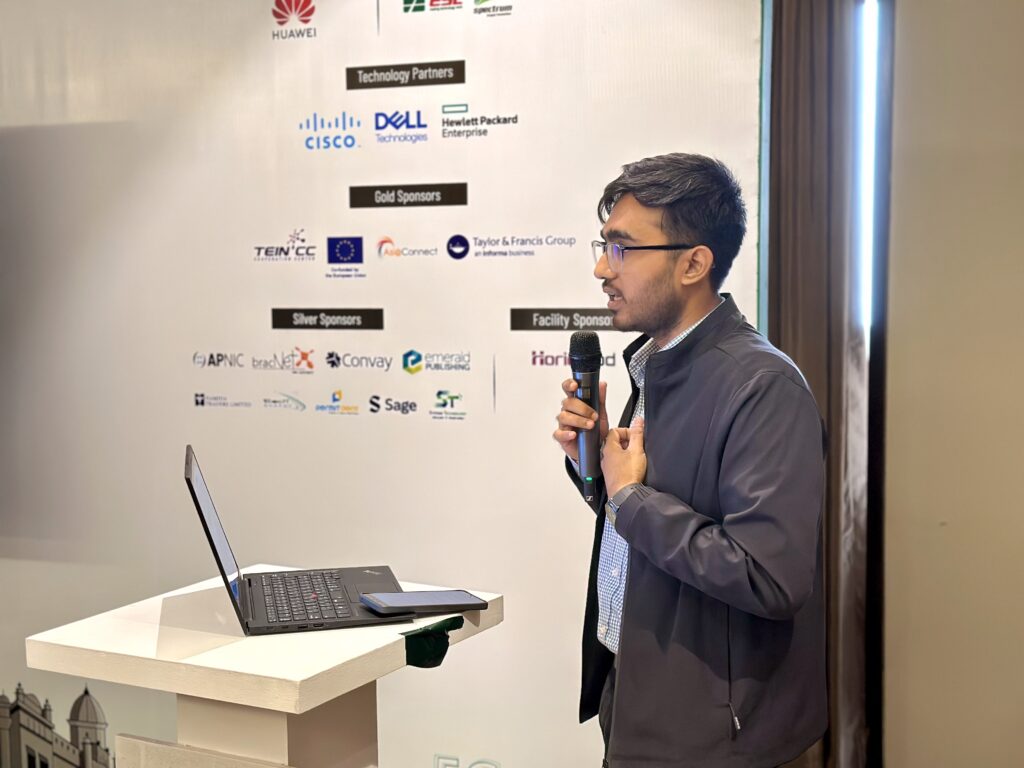
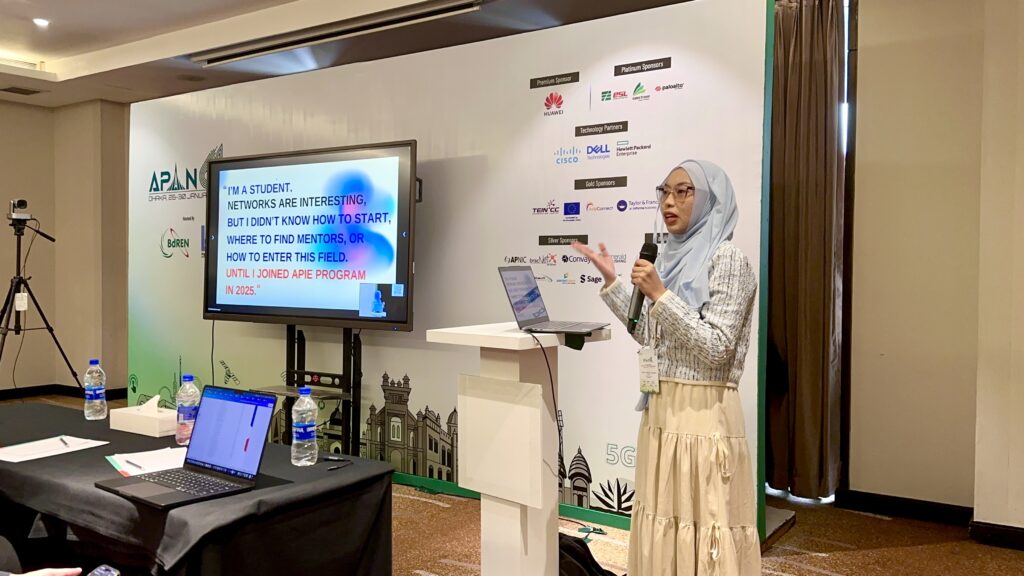
Learner perspectives were provided by Arnab Nath (BUET) and Syifani Adilllah Salsabila (Universitas Brawijaya), both APIE alumni. Syifani also participated in APAN 61 as a fellow, bringing a learner-centred perspective grounded in both academic study and regional community engagement. They reflected on how APIE enabled cross-border peer learning, engagement with communities and industry, and access to opportunities beyond formal academic programs.
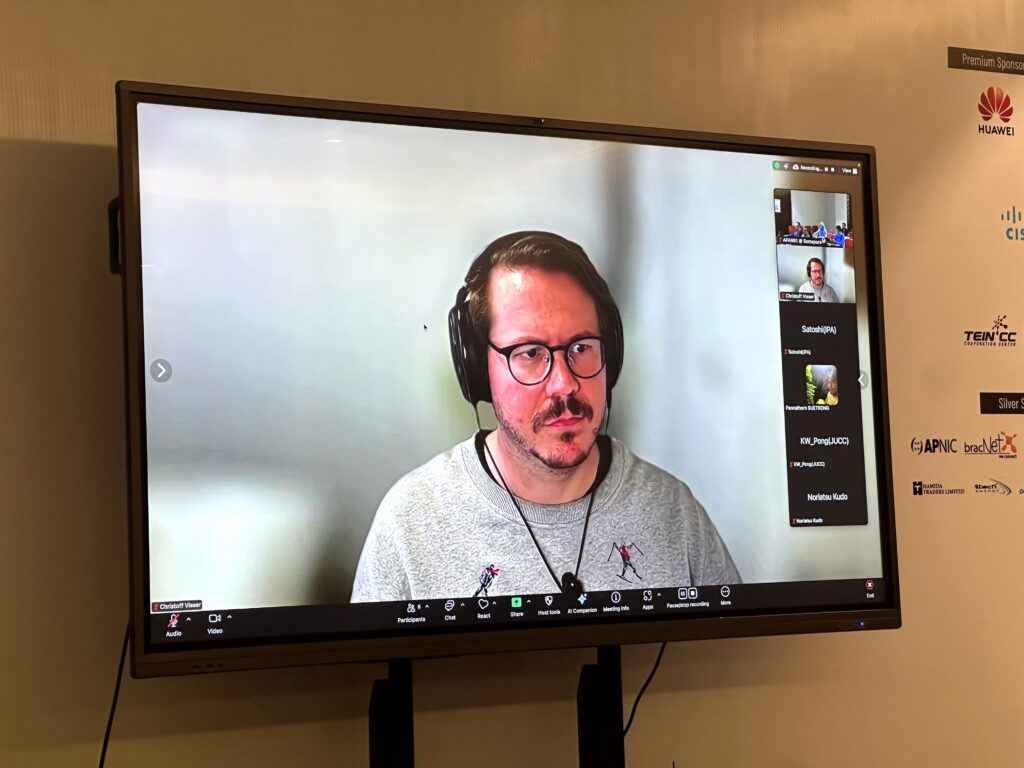
From the industry perspective, Christoff Visser (IIJ – Internet Initiative Japan) shared how industry partners are contributing to the development of new curriculum components for the APIE Advanced Camp, alongside efforts to promote internship opportunities that support learners’ transition from training to practice.
The session concluded with a focused exchange on learner progression and mobility, including how universities, communities, and shared digital credentials can support smoother transitions across programs and learning pathways.
Keynote contribution at the Closing Ceremony
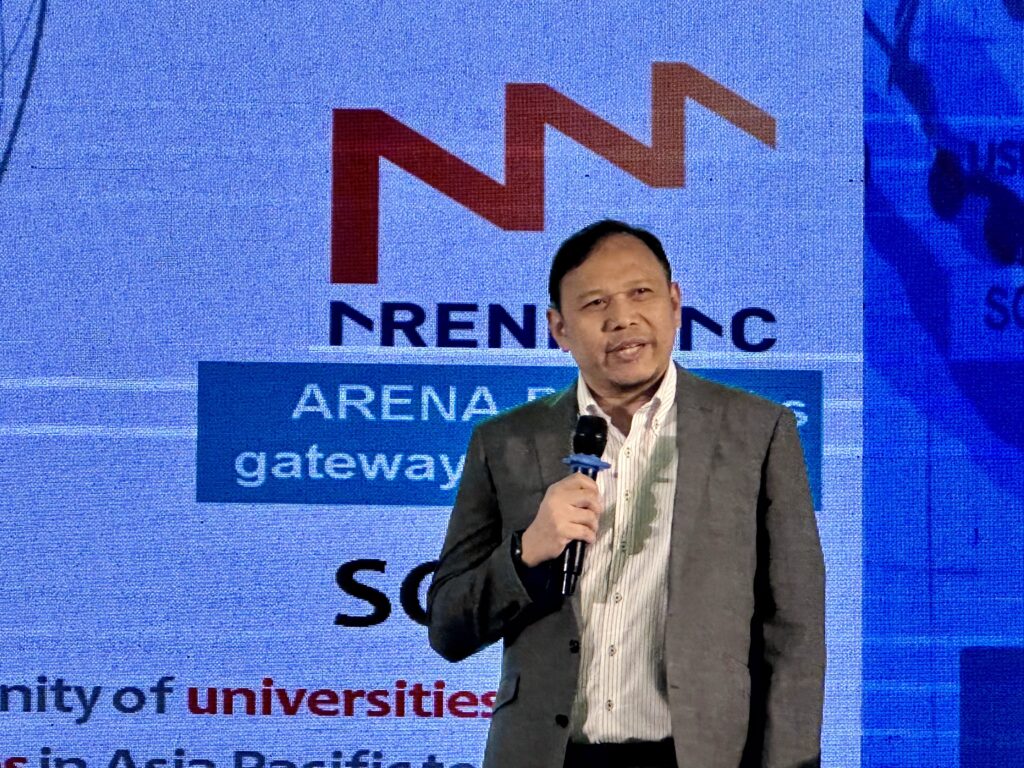
At the APAN 61 Closing Ceremony, Achmad Husni Thamrin represented SOI Asia with a keynote on digital credentials. The presentation introduced SOI Asia’s work on portable digital credentials and discussed how shared recognition mechanisms can support learner mobility, skills visibility, and progression across programs, institutions, and communities.
Partner and community engagements
APAN 61 also provided opportunities to reconnect with SOI Asia partners and collaborators, including Bani Lara and Franz de Leon (ASTI), and Karma Jamyang (DrukREN). These exchanges focused on ongoing collaboration and future directions related to research and education networking in the region.
Dihan (on the left) and Shamim (on the right), from The Team Phoenix.On the left, Shankar Karuppayah, from BitRanger.
SOI Asia also met with Shankar Karuppayah, founder of BitRanger and an ISIF Grant recipient from Malaysia, to discuss community-driven initiatives and the longer-term impact of regional learning programs. In addition, discussions with Shamim Reza and Dihan Islam Olif from The Team Phoenix, another ISIF Grant recipient in Bangladesh, covered updates on cybersecurity community activities, university engagement, mentorship, and fellowship initiatives.
The team also caught up with Thy Boskovic (APNIC) and Jamie Gillespie, a cybersecurity specialist who has previously contributed to the APIE e-Workshop series as a lecturer, exchanging views on community engagement and capacity-building efforts in the region.
Through its participation in APAN 61, SOI Asia reinforced its engagement with the APAN community and regional partners, and reaffirmed its commitment to supporting inclusive, connected, and sustainable learning pathways for Internet education and practice across Asia and the Pacific.
Feature image caption: (from the left) Prof. Saiful Islam (BUET), Prof. Ishtiaque Ahmed (BUET), Noriatsu Kudo (Keio), Prof. A. B. M. Badruzzaman (BUET), Achmad Husni Thamrin (SOI Asia), Marcos Sadao Maekawa, Prof. Hossen Asiful Mustafa (BUET)
The delegation — Noriatsu Kudo (Keio University), Achmad Husni Thamrin (SOI Asia) and Marcos Sadao Maekawa (APNIC Foundation) — held a courtesy meeting with BUET Vice-Chancellor Dr. A. B. M. Badruzzaman, during which they formally invited him to the SOI Asia 30th Anniversary Ceremony, to be held at Institut Teknologi Bandung (ITB) in September 2026. A particularly meaningful moment was realizing that Dr. Badruzzaman had authored the original proposal for the first SOI Asia antenna installed at BUET in 2004.
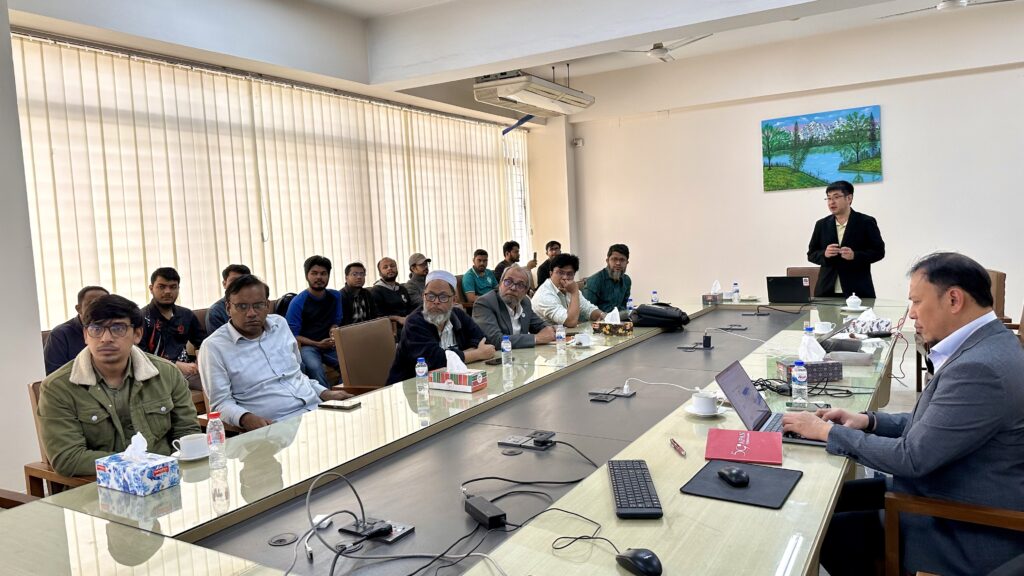
The delegation was warmly welcomed by ICCT Director Hossen Asiful Mustafa, Prof. Md. Saiful Islam, Head of the Department of Civil Engineering Prof. Ishtiaque Ahmed, and colleagues. During the visit, SOI Asia shared updates on ongoing initiatives, including the APIE program, Inxignia digital badges, as well as EBA project and CBR activities.
APIE program lead Noriatsu Kudo (standing on the back) explained about SOI Asia activities.
Around ten BUET students also joined the session to learn more about learning and engagement opportunities within the SOI Asia community, with several of them already having participated in APIE.
BUET students have consistently demonstrated strong engagement in SOI Asia activities over the years. Looking ahead, SOI Asia hopes to further strengthen this collaboration — not only through student mobility, but also by exploring BUET’s leadership in community-based research initiatives and the potential hosting of future APIE Camps.
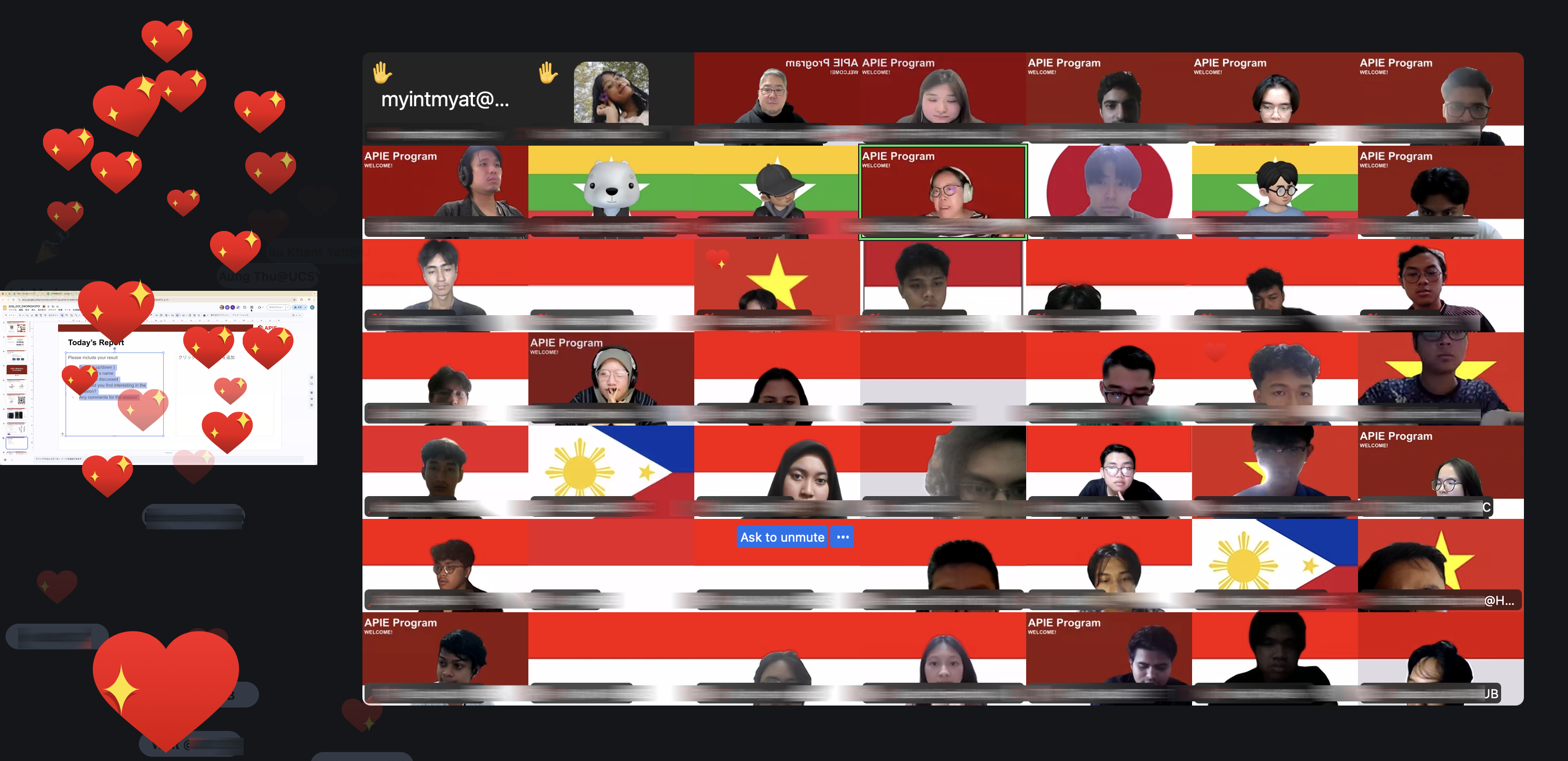
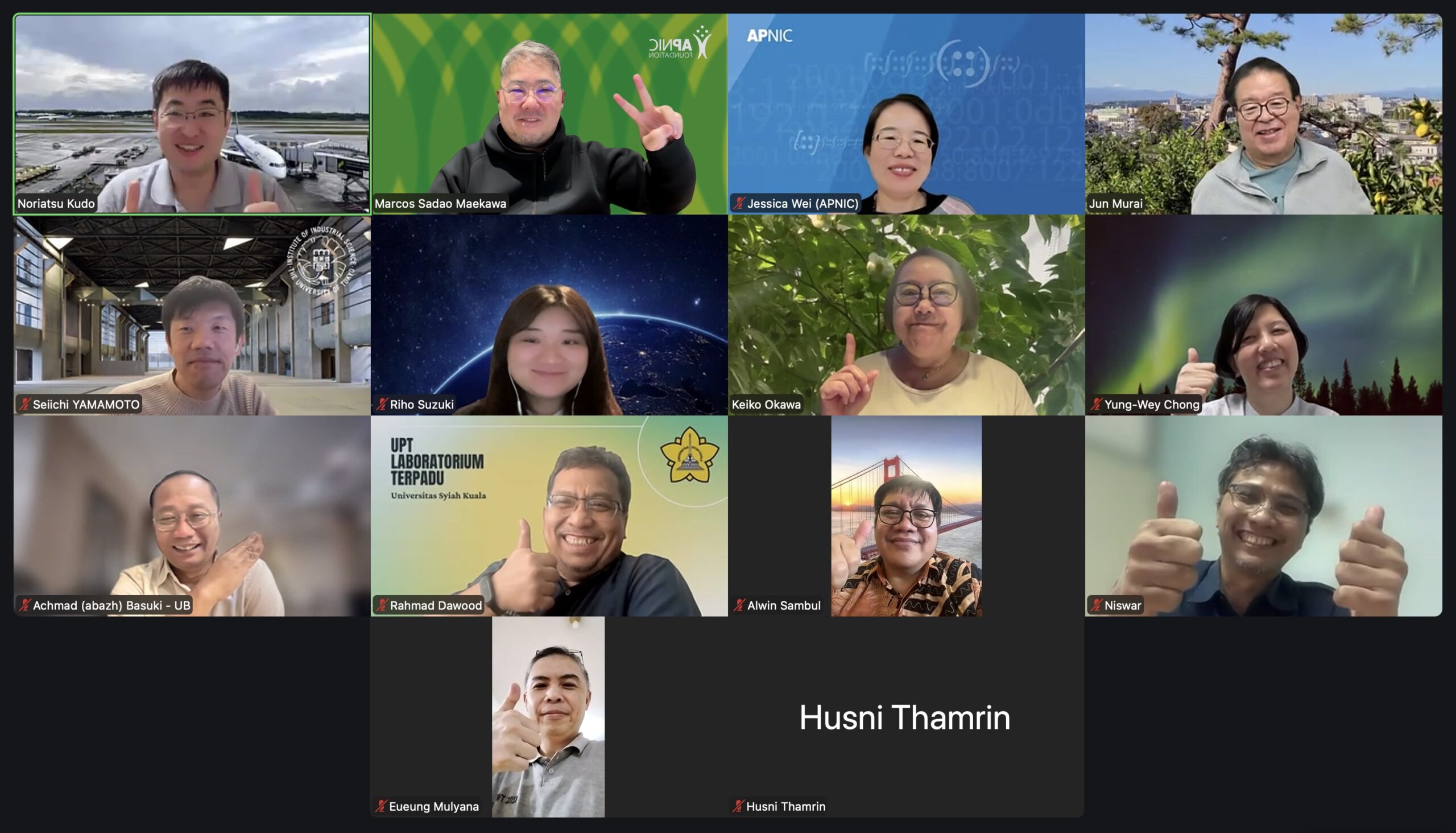
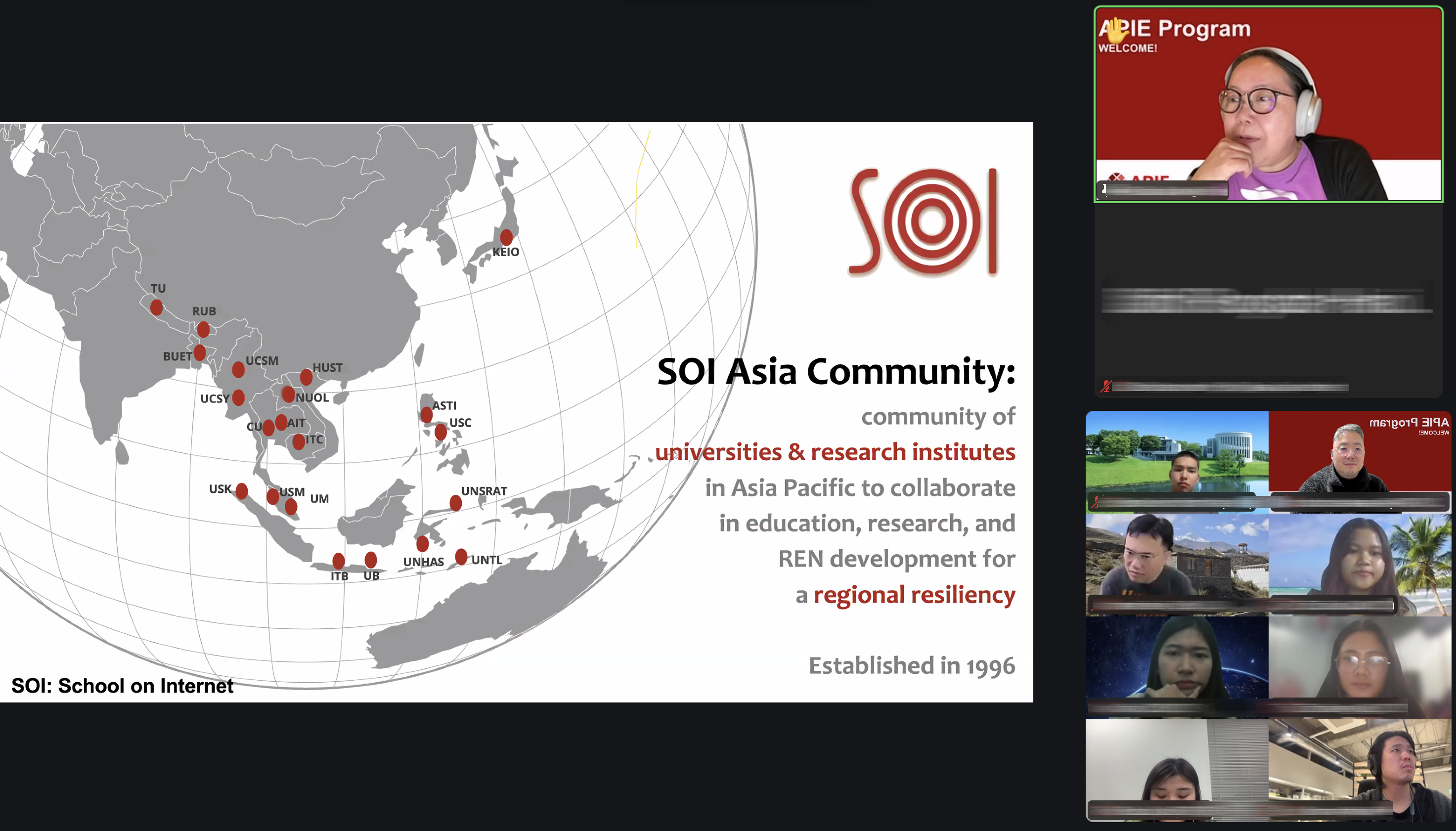
On 31 January, APIE Core Course Batch 8 officially kicked off with its first e-Workshop, bringing together more than 390 participants from 18 universities across 9 economies — Bangladesh, Indonesia, Japan, Laos, Myanmar, Malaysia, Nepal, the Philippines, and Vietnam.
The session was hosted by Keiko Okawa, Director of SOI Asia, and supported by 12 teaching assistants, all APIE alumni, alongside the SOI Asia and APNIC Foundation teams. The workshop invited participants to reflect on their own Internet environments — from connection speed and latency to physical and technical conditions — setting the tone for the course ahead.
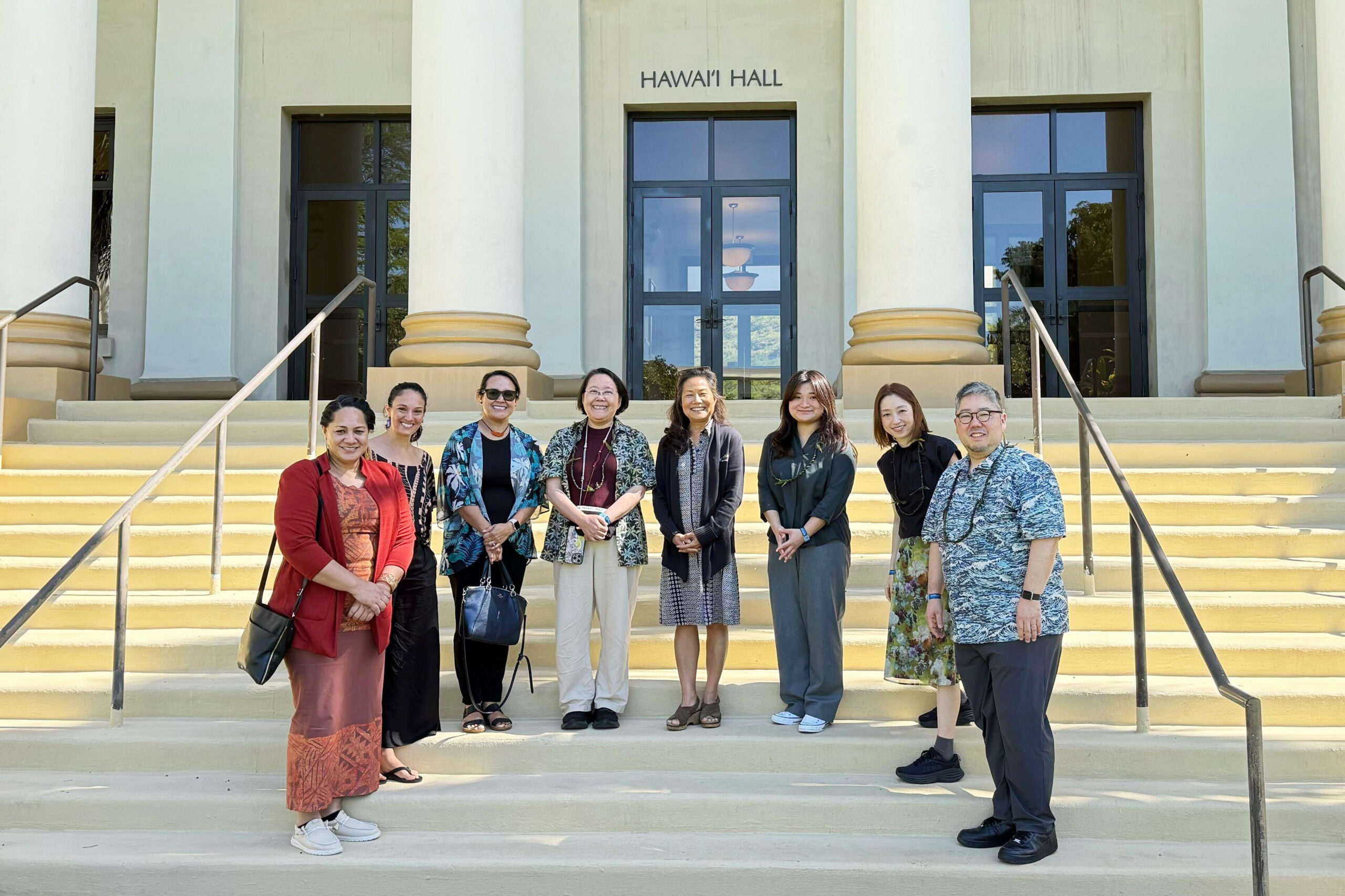
* Feature image caption: (from the left) Gingerlei Porter (UH), Alana Kanahele (UH), Umerang Imetengel (UH), Keiko Okawa (Keio), Christina Higa (UH), Riho Suzuki (Keio), Eliko Akashi (Keio), Marcos Sadao Maekawa (APNIC Foundation)
In January 2026, SOI Asia held a series of meetings in Honolulu, Hawaiʻi, marking an important step forward in shaping a shared Pacific engagement following the commitment agreed at the 60th SOI Asia Meeting in Bangkok in October 2025. The meetings brought together the SOI Asia team, colleagues from the University of Hawaiʻi, and technical partners from ARENA-PAC.
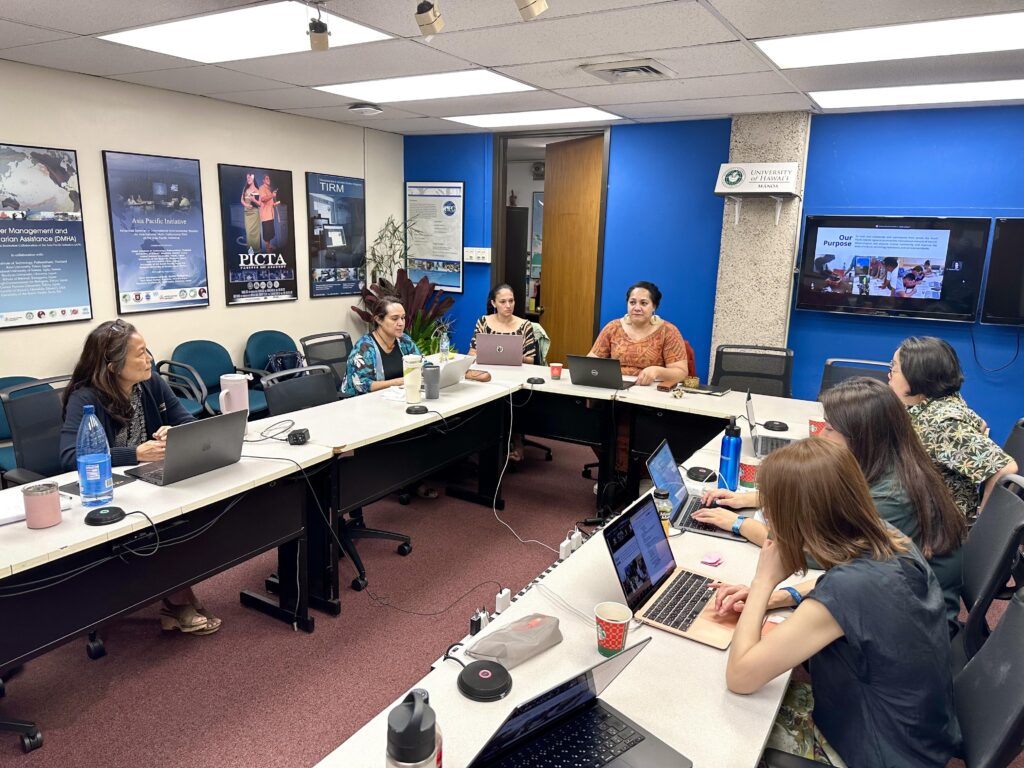
The program began with a one-day meeting with the ARENA-PAC team, SOI Asia’s technical infrastructure partner, to align perspectives on regional connectivity developments led by the WIDE Project. This was followed by a two-day working meeting at the University of Hawaiʻi at Mānoa, where SOI Asia and the UH team shared recent activities, experiences, and ongoing engagements across the Pacific.
A key focus of the discussions was identifying priority directions for 2026, with an eye toward the Pacific Islands Leaders Meeting (PALM 11) to be held in Japan in 2027. The teams discussed potential target islands and priority domains for collaboration, including disaster management and weather-related challenges, medical and health care, cultural preservation, cybersecurity, and digital literacy.
Led by Prof. Christina Higa (on the left), the UH team shares their projects and initiatives.
These conversations helped clarify a shared direction for the years ahead and reaffirmed the long-term vision guiding SOI Asia’s Pacific engagement: a connected and resilient Pacific, where research, education, innovation, culture, health, inclusion, and technology empower communities to thrive in harmony with their environment. Building on the Honolulu meetings, SOI Asia and the University of Hawaiʻi Telecommunication and Social Informatics (TASI) Research Program of the Social Science Research Institute agreed to work together over the coming decade to gradually build foundations, pilot collaborative activities, and strengthen human and institutional capacity across the region.
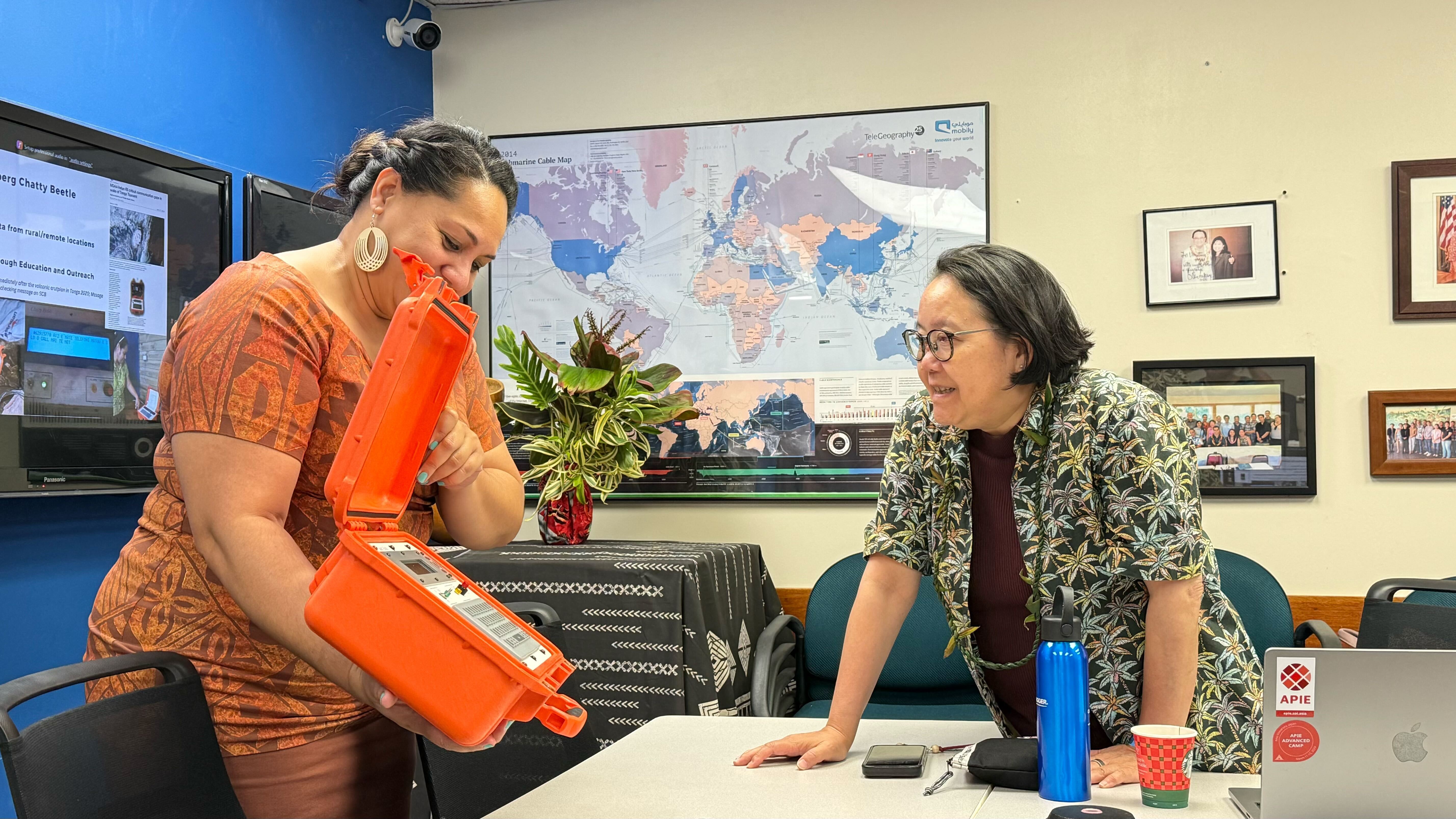
Gingerlei Porter (on the left) shows a device created for transmission of tsunami alerts to SOI Asia director Keiko Okawa.
This evolving collaboration is supported by the broader SOI Asia community, whose collective experience and partnerships continue to shape the initiative. Further updates will be shared as discussions progress and activities take form.
On January 14, the APIE Advisory and Curriculum Committees met to review progress and discuss the next phase of the APIE program.
The discussion reflected how the program continues to mature — from stronger regional collaborations and community-based activities, to the growing importance of APIE alumni who return in different roles, including as teaching assistants and NOC team members, supporting learners and sustaining learning environments.
Looking ahead, committee members exchanged views on assessment approaches, internship programs, alumni engagement, and the newly proposed model for APIE Camps. Topics included trainer training, minimum infrastructure requirements, and alignment with host university academic calendars.
The meeting provided a valuable opportunity to step back from delivery and focus on how APIE can scale thoughtfully, while preserving quality, international collaboration, and long-term impact across the Asia-Pacific.
On January 13, 2026, the Asia Pacific Internet Engineering (APIE) program held an online information and onboarding session as part of the preparations for APIE Core Course Batch 08. The session was designed to support students who have already registered, as well as those considering participation, by helping them prepare for the start of the course.
This session was the first of two information sessions scheduled ahead of Batch 08, reflecting an effort to provide additional guidance and clarity before the course begins.
The session was opened by SOI Asia Director Keiko Okawa, who welcomed participants and introduced the objectives and overall structure of the APIE Core Course. More than 40 students joined the session, representing partner universities across Indonesia, Japan, Laos, Malaysia, Myanmar, Timor-Leste, and Vietnam. This batch also marks the first time students from Laos are joining the APIE program, further broadening the regional participation of the course.
A key focus of the session was onboarding and readiness. The APIE team walked participants through the main platforms and tools used throughout the course, including:
SOI Asia account, mainly used for managing digital badges
FutureLearn account, where the core course content is delivered
Google Classroom account, used for accessing course materials and managing attendance
Keiko also explained the course structure, schedule, and learning flow, with particular attention to time zone differences across the region. The session concluded with a short Q&A, addressing questions from participants related mainly to scheduling and participation.
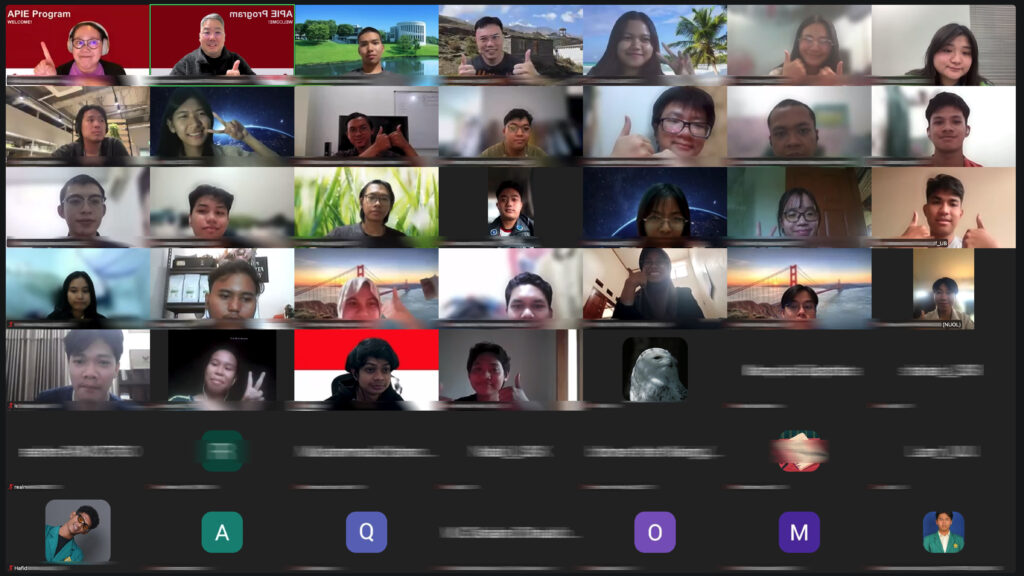
Celebrating the first APIE info session
The meeting closed with a group photo, marking an early moment of connection among participants as they prepare to begin the Batch 08 learning journey. The next session featuring the same content will be held on January 19, 2026.
On July 28, SOI Asia officially launched the online course Participating in the Internet on FutureLearn, a global platform for open online learning. This marks the third course in the SOI Asia Online series, following the release of Understanding the Internet and Operating the Internet.
Designed as a self-paced course, Participating in the Internet introduces the evolving field of Internet governance, with a focus on how diverse communities and stakeholders shape the rules and operations of the global Internet.
The course is ideal for anyone interested in how the Internet community operates and influences society, and it does not require any technical background—though it also offers insights valuable to professionals in policy, engineering, civil society, and international development.
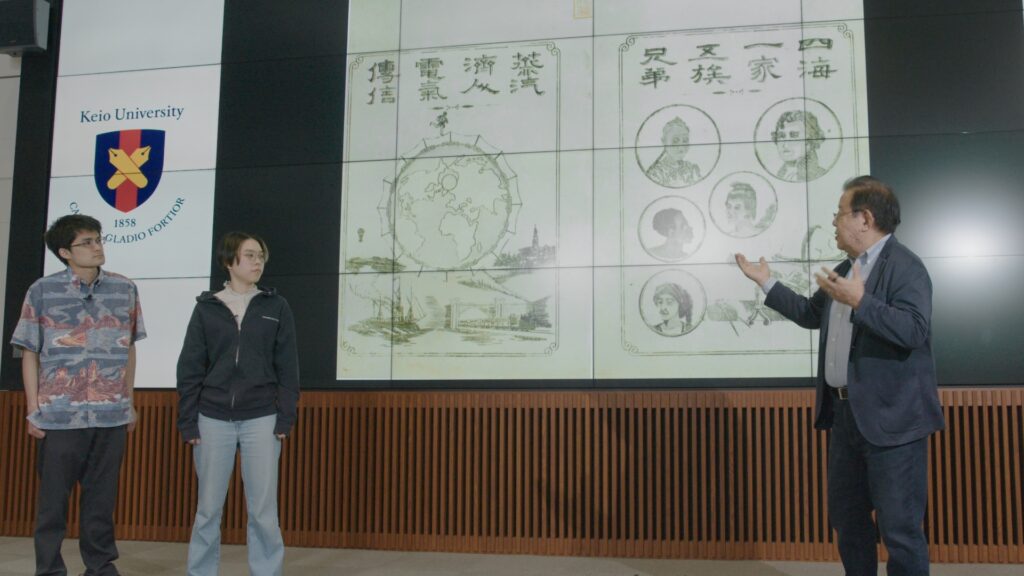
Navigators Mariko Kobayashi (WIDE Project, on the left) and Korry Luke (Keio University).
Over the course of three weeks, participants will explore:
The basics of Internet history and infrastructure
Internet resource management and community roles
The concept of the multi-stakeholder model in Internet governance
How to get involved in global Internet forums and initiatives
The course was produced by a dedicated SOI Asia team at Keio University, in collaboration with the WIDE Project, APNIC, AITAC, and other key stakeholders in the Internet ecosystem, with support from the APNIC Foundation. It is part of a broader effort to build capacity in the Asia Pacific region and beyond by encouraging the next generation of Internet users and professionals to take an active role in shaping a secure, inclusive, and sustainable Internet.
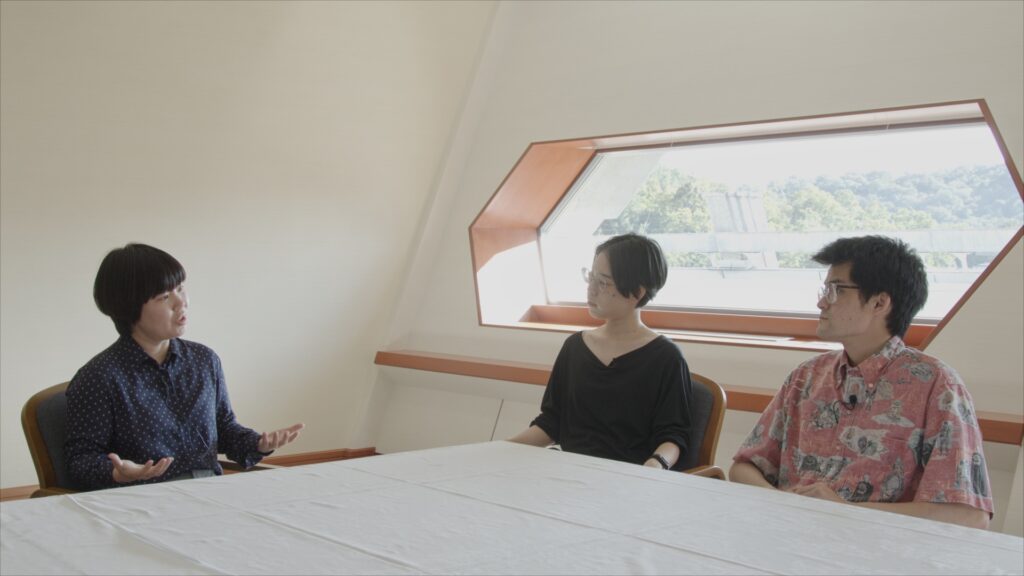
Interview with Joyce Chen (on the left), from APNIC.Navigators and Jun Murai (on the right) at Keio University.
To further promote the course and foster dialogue around youth engagement in Internet governance, SOI Asia is hosting a dedicated panel session on 29 July at APAN 60 in Hong Kong. The session will provide an overview of ongoing efforts by global and regional bodies to involve younger generations in the design, governance, and future development of the Internet.
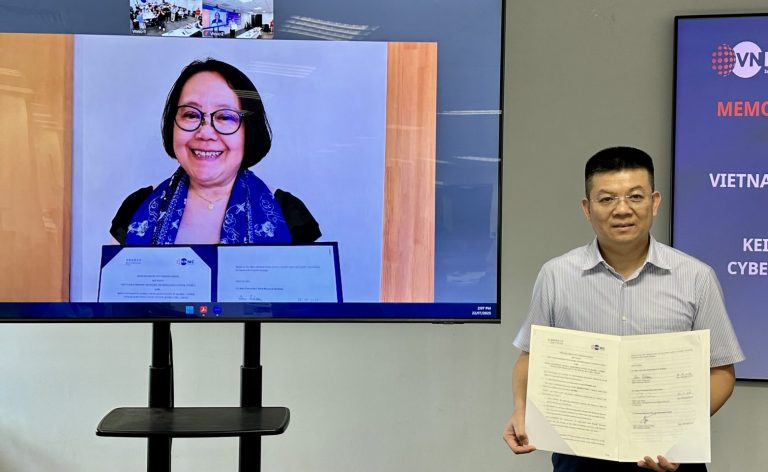
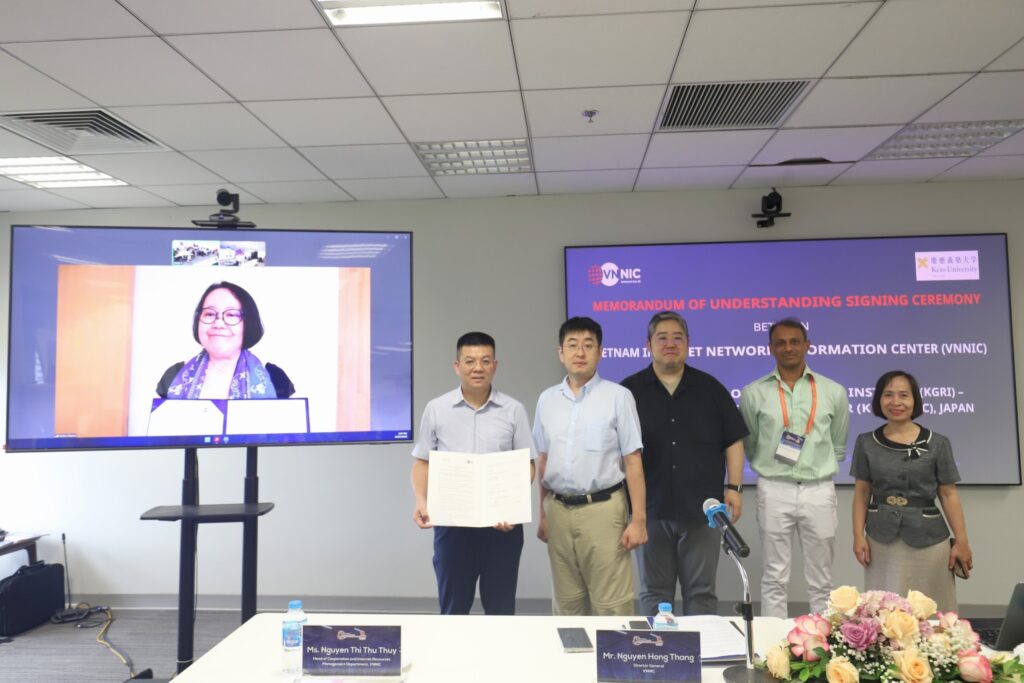
The signing ceremony took place on 22 July 2025 at VNNIC Headquarters in Hanoi, with Professor Keiko Okawa (Keio) joining remotely. Attendees included Nguyen Hong Thang (Director General, VNNIC), Nguyen Thi Thu Thuy (Director, VNNIC), Noriatsu Kudo (Keio/APIE), Marcos Sadao Maekawa (APNIC Foundation), and Sunny Chendi (APNIC).
From the left: Prof. Keiko Okawa (on screen), Nguyen Hong Thang, Noriatsu Kudo, Marcos Sadao Maekawa, Sunny Chendi and Nguyen Thi Thu Thuy.
Over the past year, VNNIC and SOI Asia have jointly organized APIE online learning activities for Vietnamese students, with nearly 100 participants. In addition, several students joined APIE Camps in Indonesia and Japan, gaining hands-on exposure to Internet technologies and global academic environments.
Under this new MoU, VNNIC will serve as a local hub for APIE in Vietnam—supporting workshops, student engagement, and preparation for hosting an APIE Camp in 2026. The three-year agreement sets the stage for expanded cooperation in Internet education and digital development in Vietnam and the Asia Pacific region.