
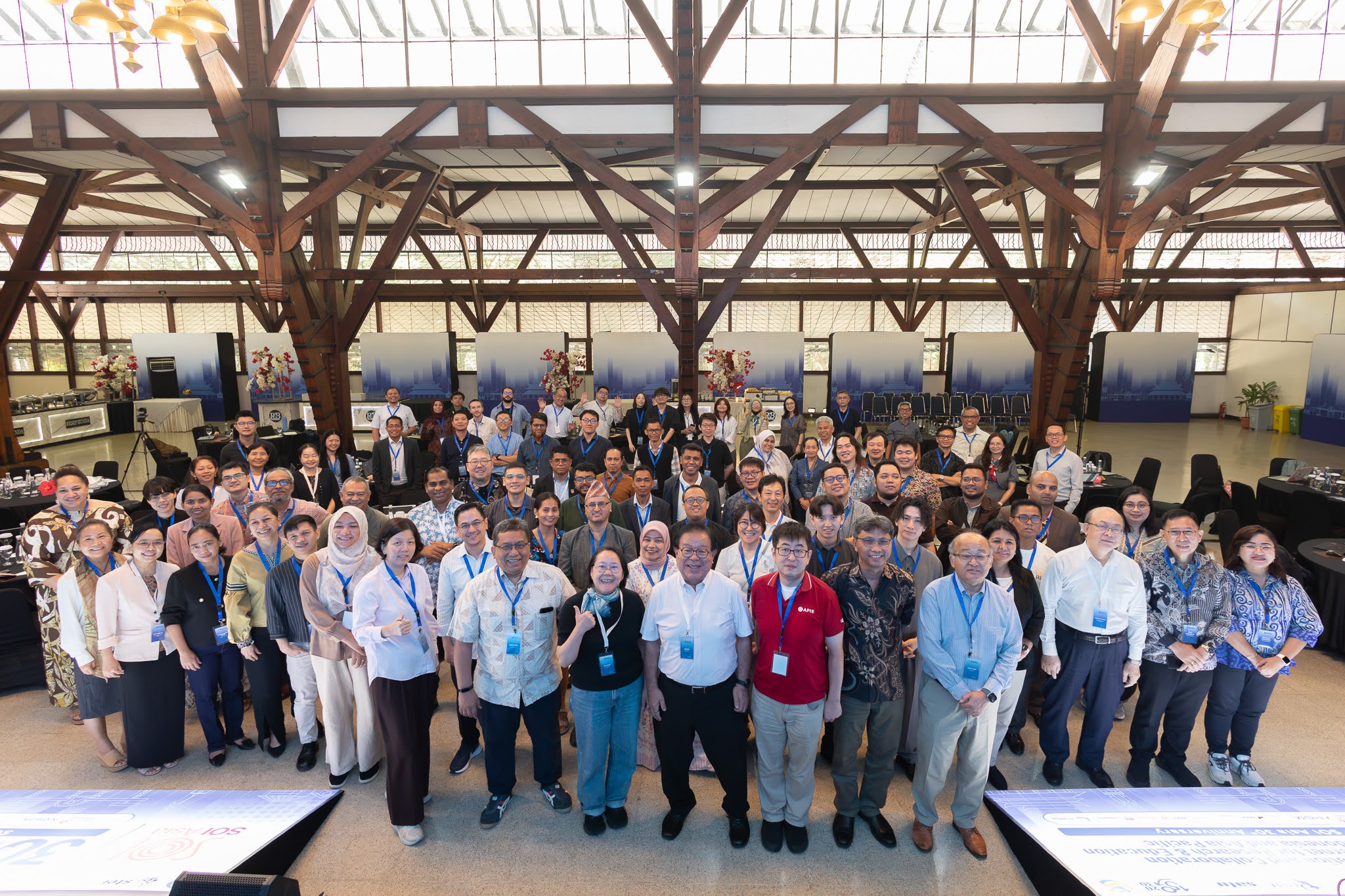
Thirty years after the first connections that brought together what would become the SOI Asia community, partners returned to Institut Teknologi Bandung (ITB) in Indonesia for the 61st SOI Asia Meeting and SOI Asia 30th Anniversary Conference, hosted by ITB from 31 August to 2 September.
These events provided an opportunity to look back at how the community has evolved, share progress across current education, research and infrastructure activities, and discuss what SOI Asia can contribute together in the years ahead.
Bandung holds a special place in this history. ITB was among the first universities connected through the AI³ (Asian Internet Interconnection Initiatives) network in 1996 and has hosted SOI Asia gatherings marking major milestones of the community. This time, partners returned to Bandung not only to celebrate 30 years of collaboration, but also to make a new commitment for the future.
What are our strengths as a community?
The 61st SOI Asia Meeting opened with welcoming remarks from Prof. Tutun Juhana, Dean of the School of Electrical Engineering and Informatics (STEI) at ITB, and Andika Fajar, representing Indonesia’s Ministry of Higher Education, Science, and Technology, followed by reflections on the development of SOI Asia.
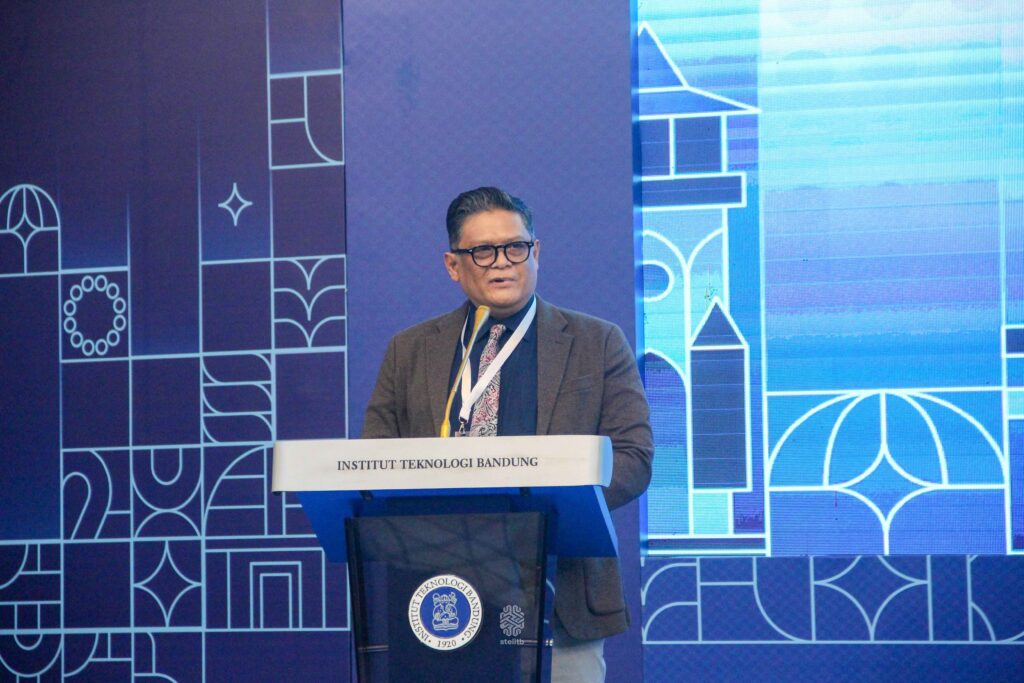
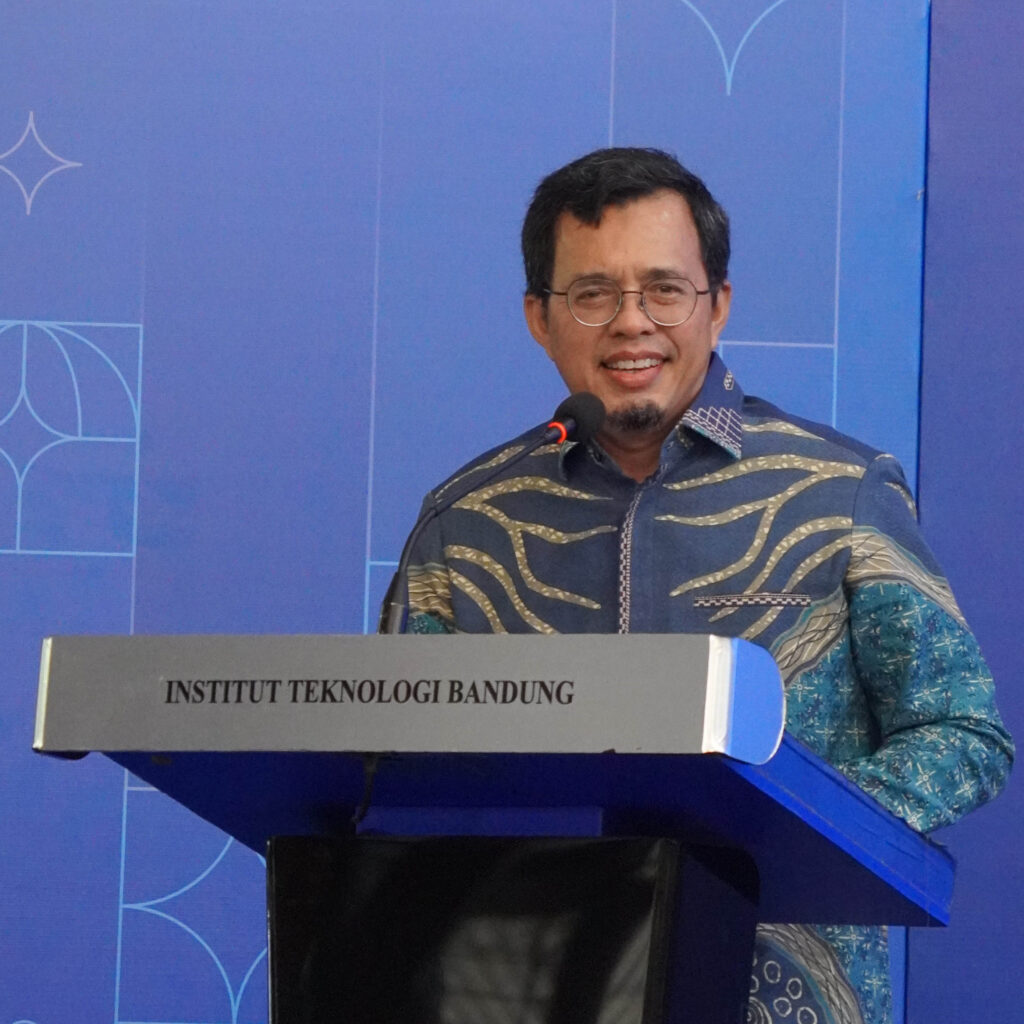
SOI Asia Director Keiko Okawa traced the community’s journey from the early AI³ network and the launch of SOI Asia under the idea of “sharing knowledge among universities” to the development of education, research and regional collaboration activities that continue today.
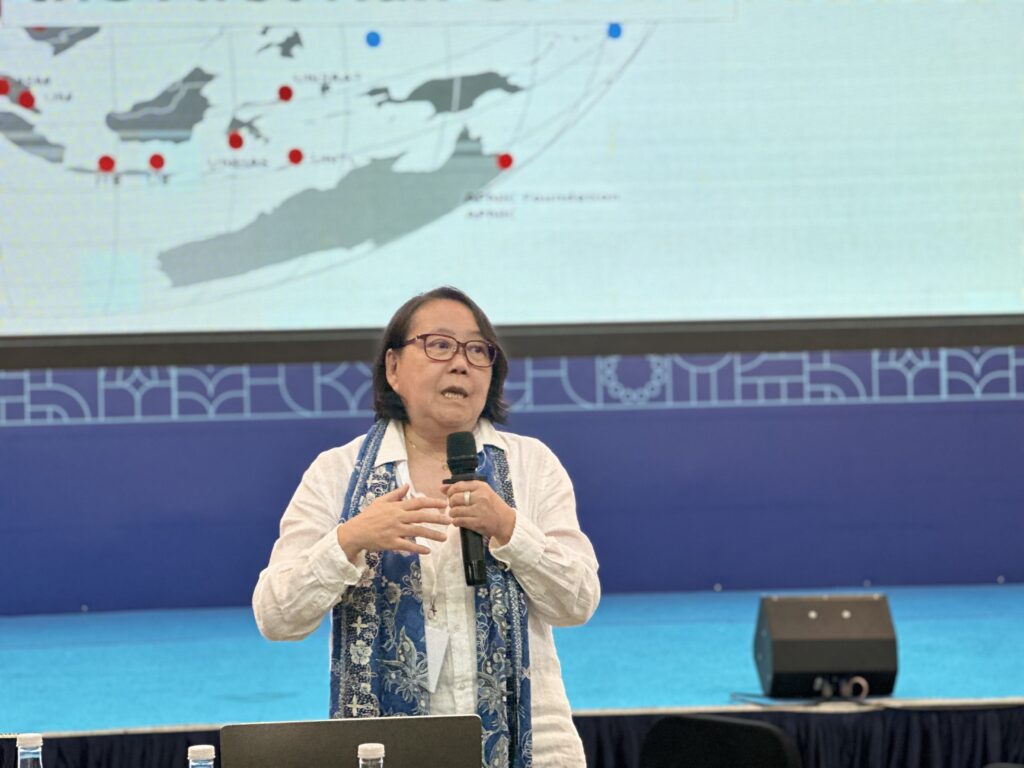
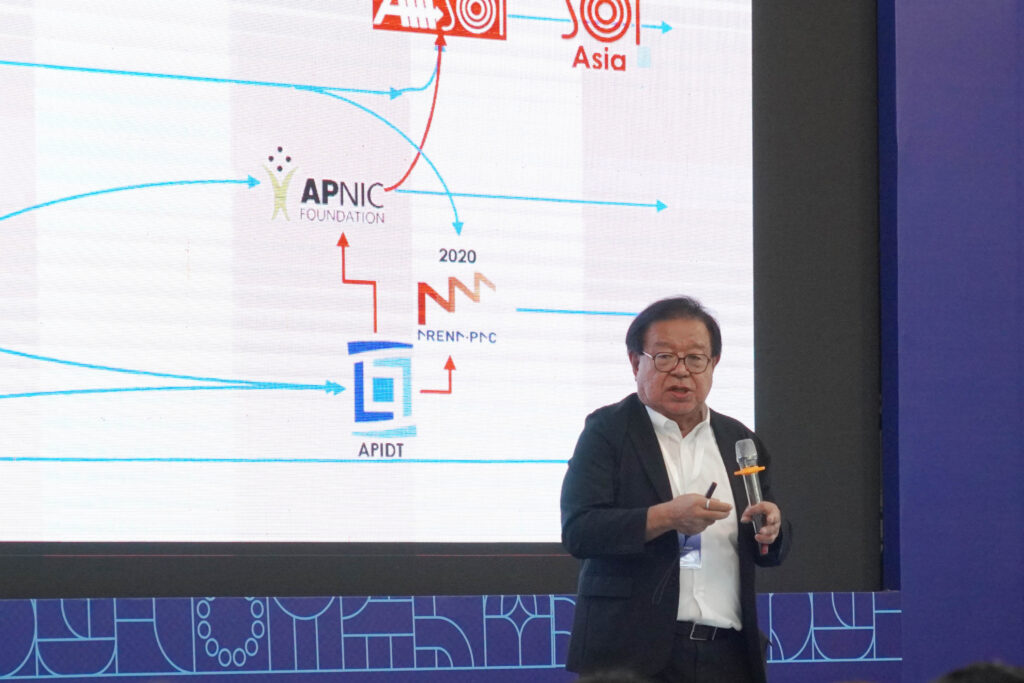
Jun Murai, founder of the WIDE Project, reflected on this evolution from the perspective of Internet infrastructure and higher education. His presentation traced the development from WIDE and AI³ through SOI Asia and subsequent initiatives, while looking towards a new chapter connecting collaboration in Asia with emerging work in the Pacific.
The discussion then turned from history towards the community today.
After reviewing SOI Asia activities during the first half of 2026, participants were asked a simple question: What do these activities tell us about our strengths as a community?
The discussion identified SOI Asia’s people and the trusted relationships they have built across countries, cultures and generations as a central strength. Collaboration and sharing, diversity, regional networks, grassroots engagement, long-term commitment, intergenerational learning, and the combination of research and operations were among the themes raised by participants.
Partners also considered what a resilient society means to the community and how SOI Asia can contribute through education, research, platforms and infrastructure.
Education was discussed as a way to empower future generations with the ability to learn and adapt in a rapidly changing environment. Research can bring together diverse communities to explore real-world challenges and translate knowledge into solutions. Shared platforms can make knowledge, resources and opportunities more accessible, while open, reliable and secure infrastructure can connect research and education communities across borders.
When participants were asked what the community could do together that they could not do alone, the immediate answer was: “Everything!”
Behind the spontaneous response was a broader message: institutions can support one another in addressing challenges within their own communities while working collectively on challenges that cross borders.
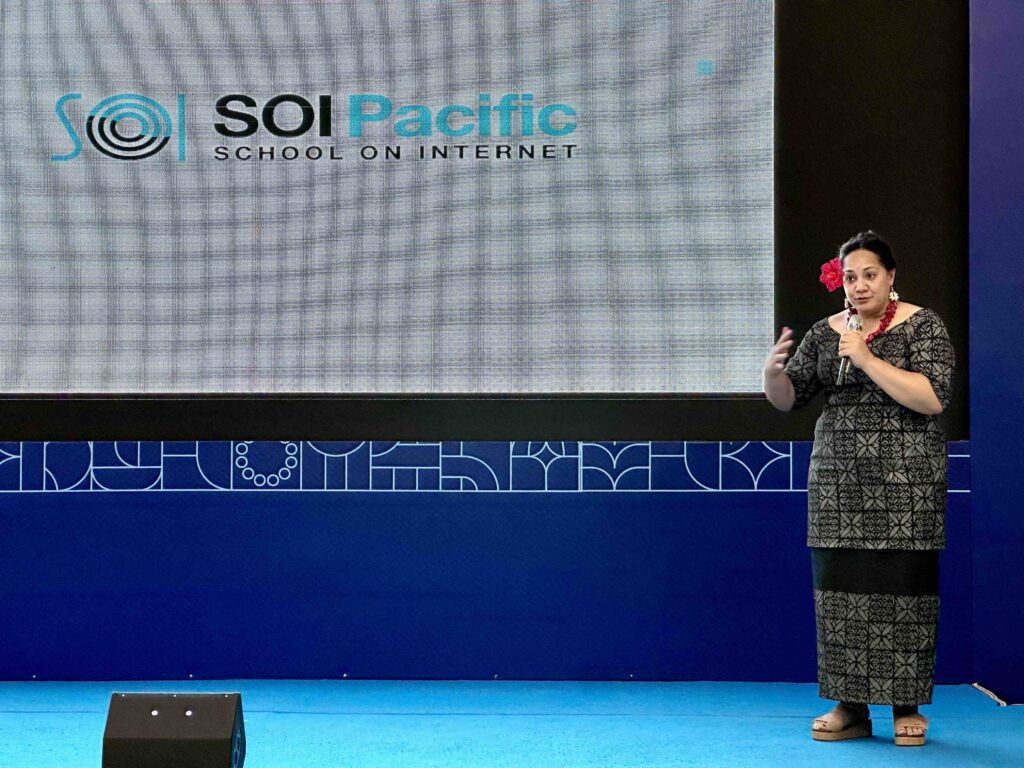
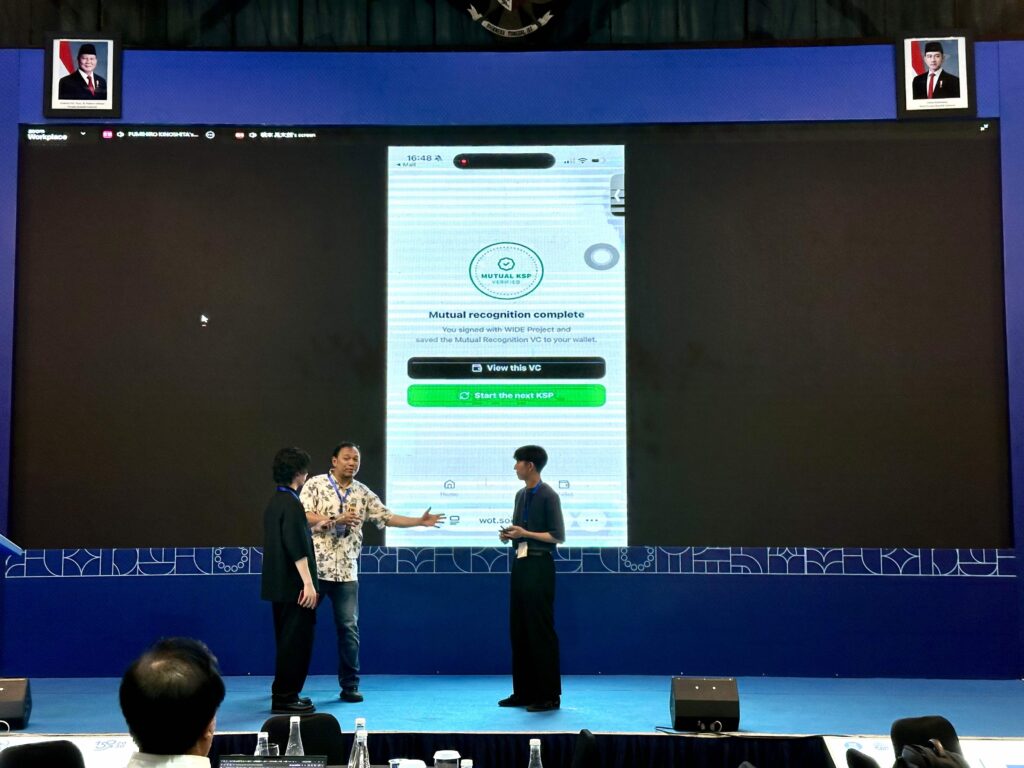
The first day also included updates and discussions on ARENA-PAC and SARENA-PAC, the newly established SOI Pacific initiative, and Inxignia, SOI Asia’s digital credentialing platform.
Education and research in action
The second day provided a closer look at education and research activities taking place across the SOI Asia community.
Updates from the Asia Pacific Internet Engineering (APIE) program, the Evidence Based Approach (EBA) initiative, Community Based Research (CBR) and CBR Seed, and DHASH showed different ways in which students, educators and researchers are learning and collaborating across institutions.
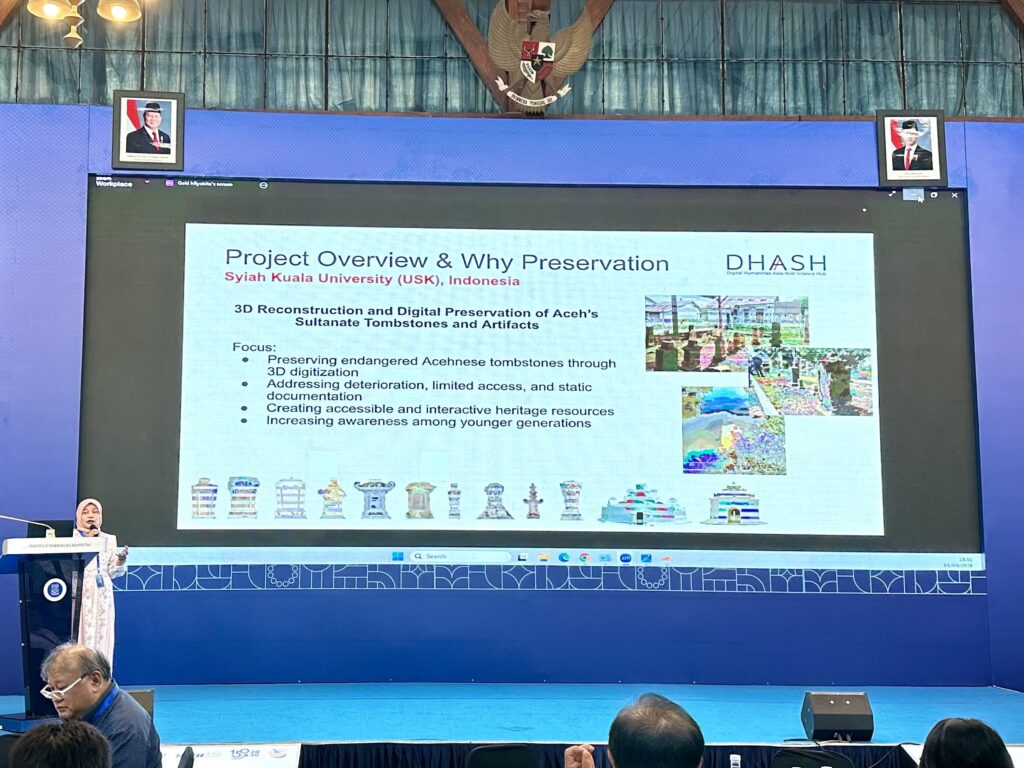
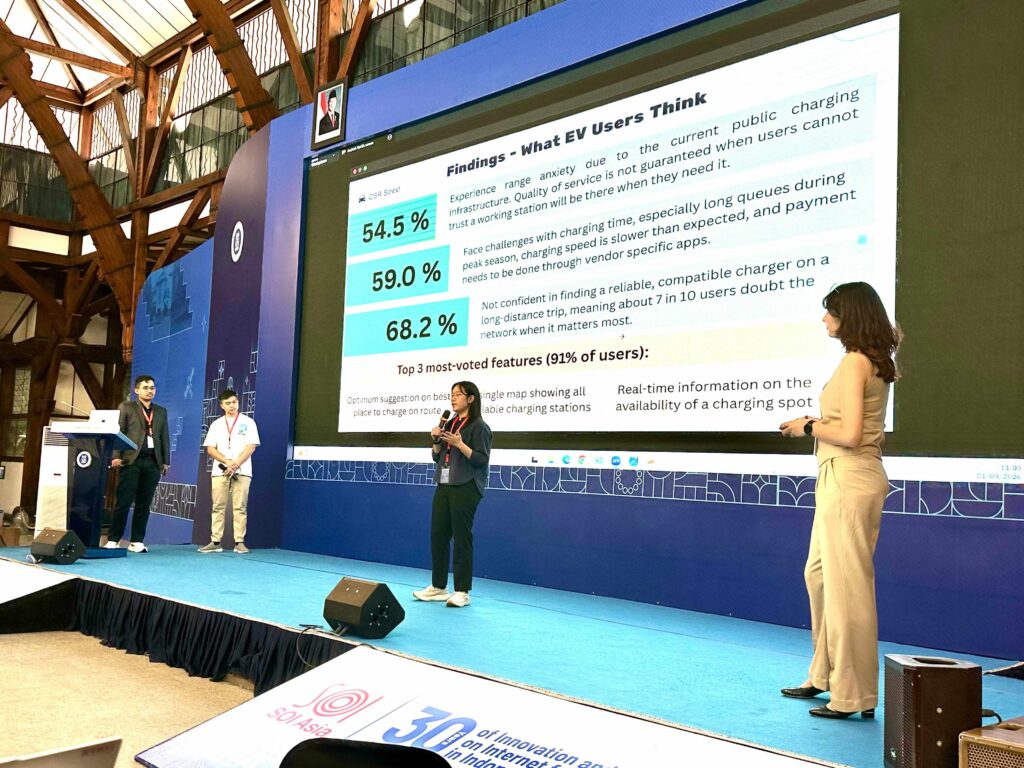
Students involved in CBR Seed also presented their research, bringing the experiences of a younger generation directly into the discussions among SOI Asia partners.
The meeting also provided opportunities to share related collaborative research initiatives and discuss future plans. Among the questions raised was how SOI Asia can create more opportunities for younger faculty and PhD students to become involved in teaching, research and other activities, helping new generations gradually take more active roles within the community.
Thirty years of SOI Asia
Following two days of discussions among partners, the SOI Asia 30th Anniversary Conference on 2 September brought together the community and guests to celebrate the milestone and look towards the challenges ahead.
The opening ceremony included welcoming remarks from ITB Rector Prof. Tatacipta Dirgantara, Raden Wijaya Kusumawardhana, representing the Ministry of Communication and Digital of the Government of Indonesia, and from APNIC Foundation CEO Rajnesh Singh.
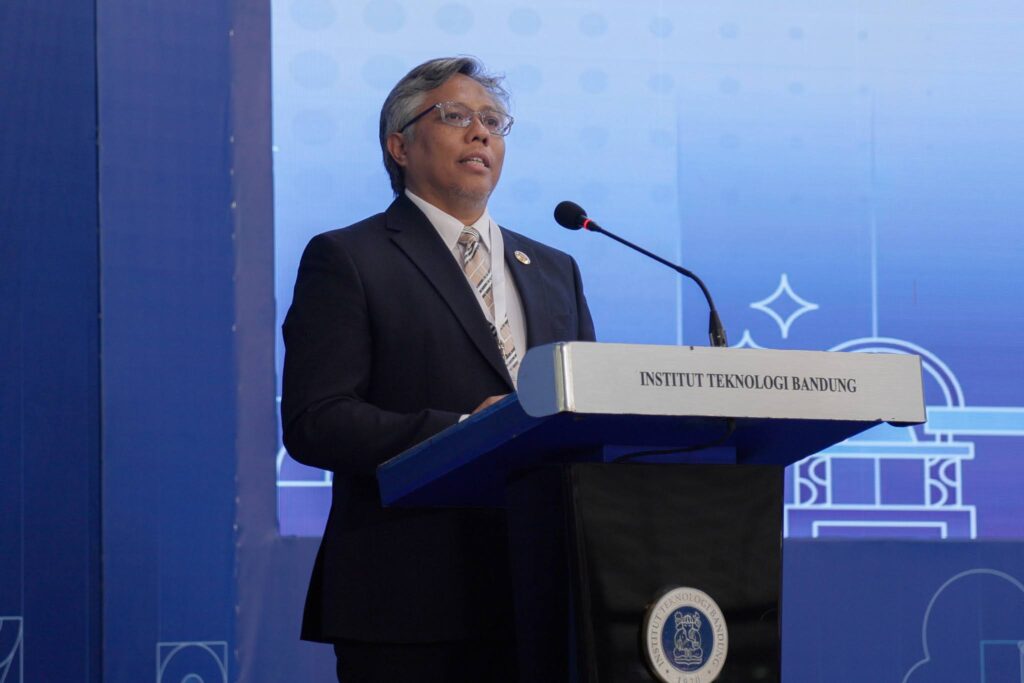
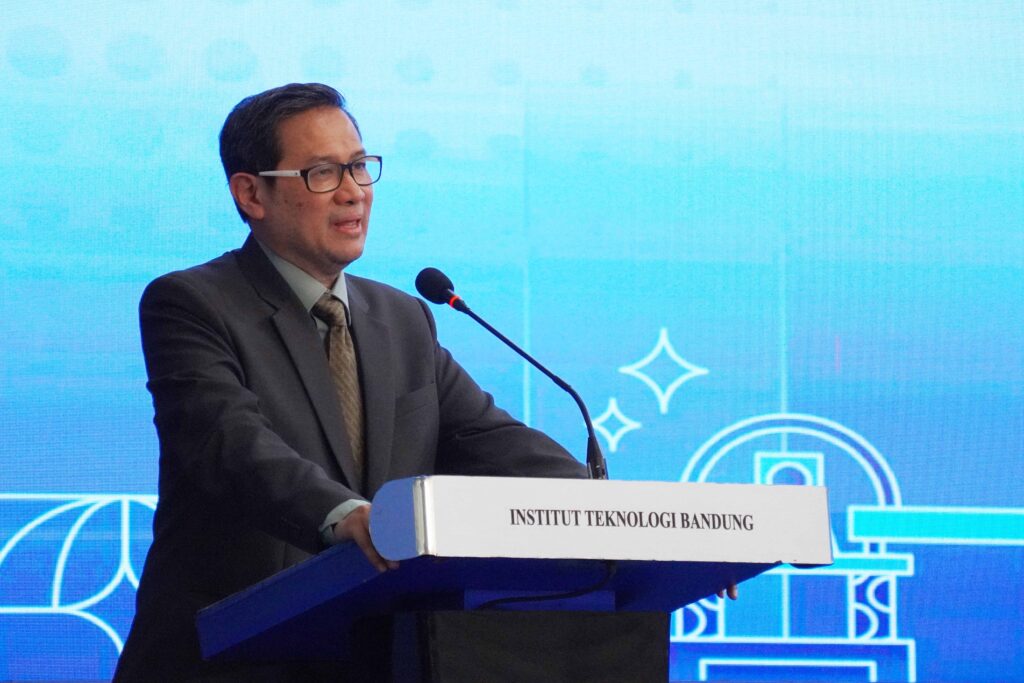
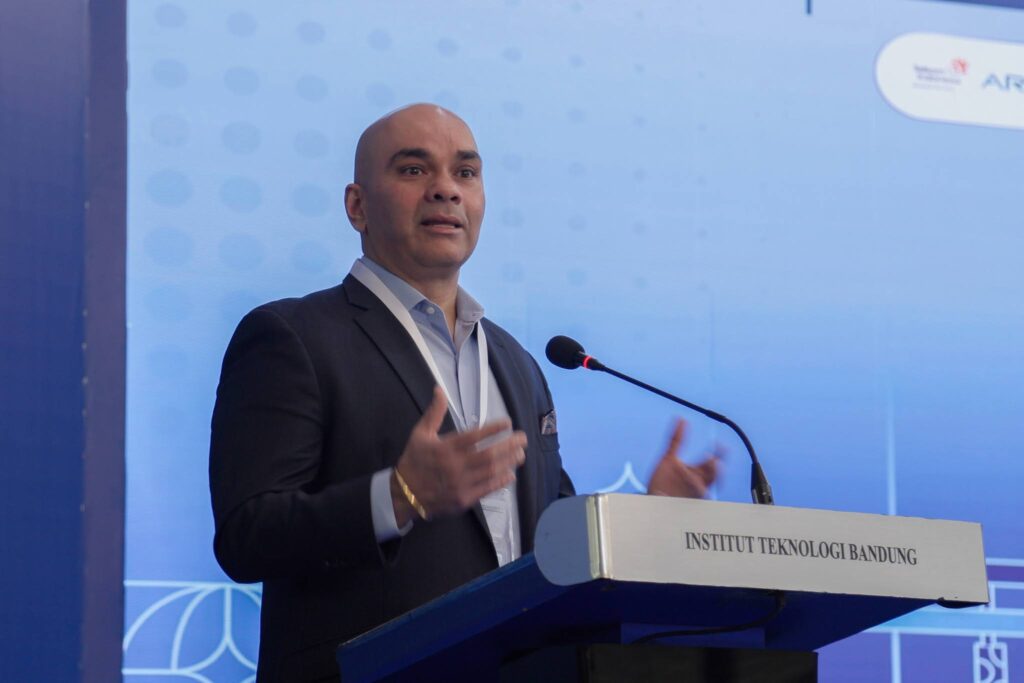
Singh reflected on lessons from SOI Asia’s journey and their relevance to the region’s future digital development, highlighting the continuing importance of trusted partnerships, regional cooperation and investment in human capability. His message also emphasised that digital resilience requires more than infrastructure: it depends on communities able to adapt, collaborate and lead.
In his anniversary keynote, Jun Murai revisited the technological and institutional journey behind the community. His presentation traced the development of AI³ and SOI Asia, the expansion of the SOI Asia Meeting across the region, and the changing connectivity landscape in the Asia Pacific. Looking ahead, he presented an ecosystem bringing together SOI Asia and SOI Pacific, research and education networks, educational platforms and regional network interconnection.
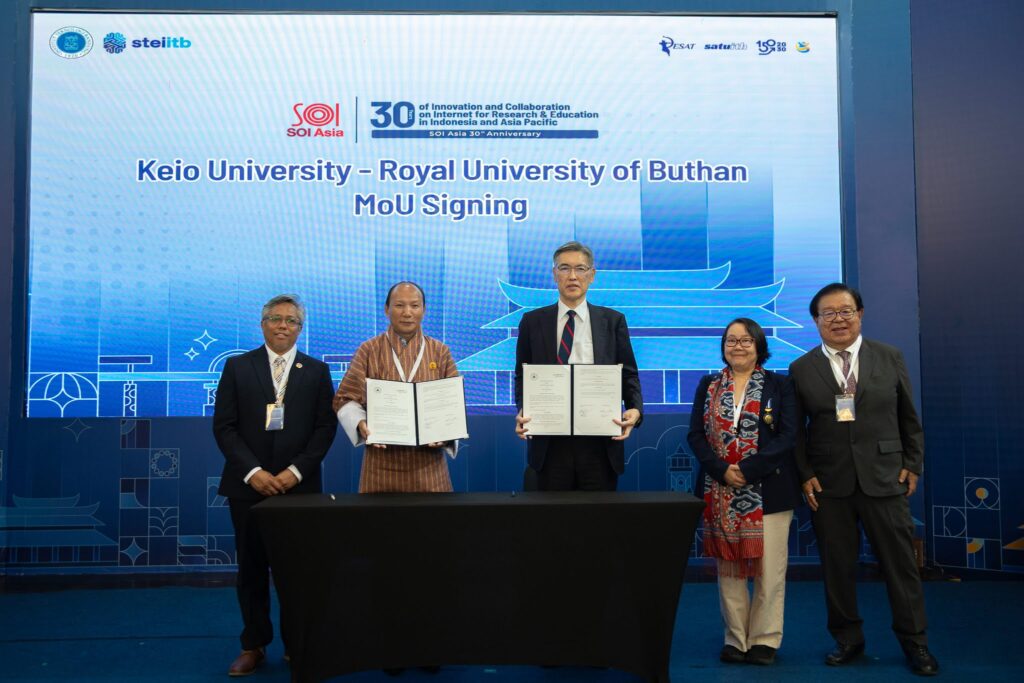
The opening ceremony also marked the new partnership with Royal University of Bhutan through the signing of an MoU between RUB and Keio University.
A new commitment from Bandung
The centrepiece of the anniversary was the signing of the 2026 Bandung Declaration.
Twenty-eight signatories from across the SOI Asia community came together on stage to seal a shared commitment:
“We, a community of research and academic institutions, reaffirm our commitment to contribute to the design of a global resilient society through collaboration within the Asia-Pacific region and beyond.”
The declaration follows previous commitments made in Bandung in 2006 and 2016. Across the three milestones, the scope of the community’s ambition has evolved — from strengthening partnerships and friendships, to advocating for interconnected research and education networks, and now towards contributing together to the design of a resilient society.
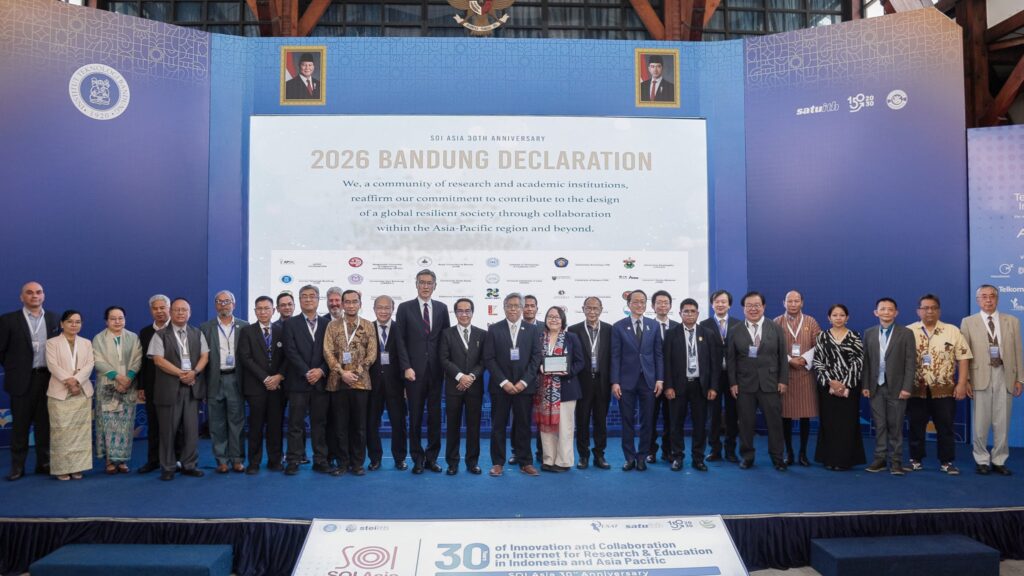
The 2026 Declaration also reflected many of the questions partners had discussed during the first day of the meeting: what resilience means, what strengths the community can bring to it, and what institutions can accomplish together across borders.
The evolution and meaning of the three Bandung Declarations will be explored in a separate SOI Asia story.
Conversations about the future
The anniversary conference continued with four panel discussions exploring issues increasingly relevant to universities and research institutions across the region.
Leaders and experts from SOI Asia partner institutions and other organizations discussed AI and Higher Education, Resilient Society, Open Science, and Microcredentials.
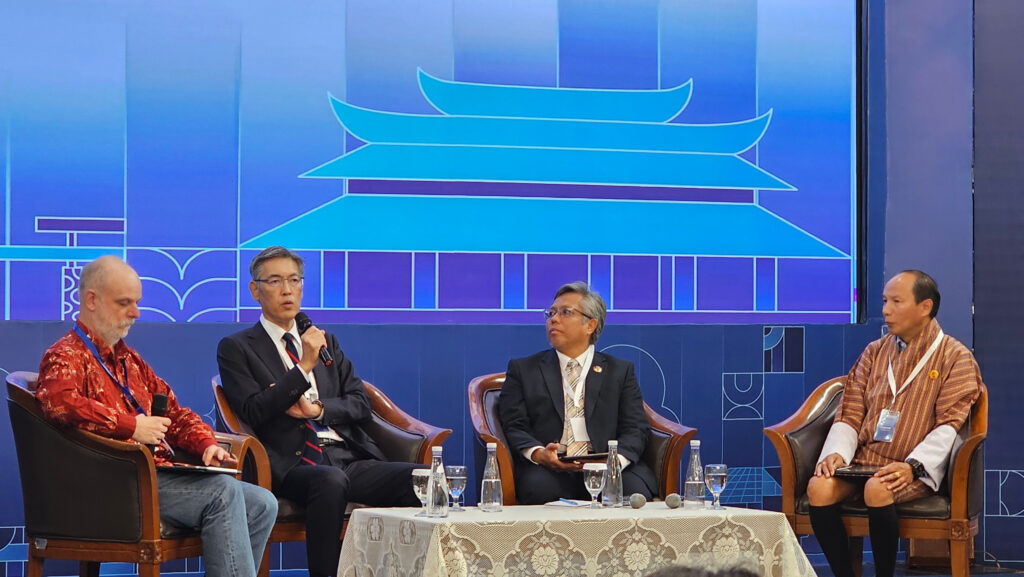
The four topics reflected a changing environment for research and education institutions: from understanding how emerging technologies are reshaping higher education to strengthening resilience, expanding approaches to sharing research and knowledge, and exploring new ways to recognize learning.
Together, the sessions shifted the anniversary conversation from what SOI Asia has built over the past three decades towards some of the questions that its institutions and communities will face in the years ahead.
From participants to contributors
Alongside the conference sessions, a project showcase presented work emerging from SOI Asia’s education and research activities. Alumni from EBA, APIE and CBR Seed were invited back to help prepare and support the exhibition, sharing their experience and presenting the programs and their work to conference participants.
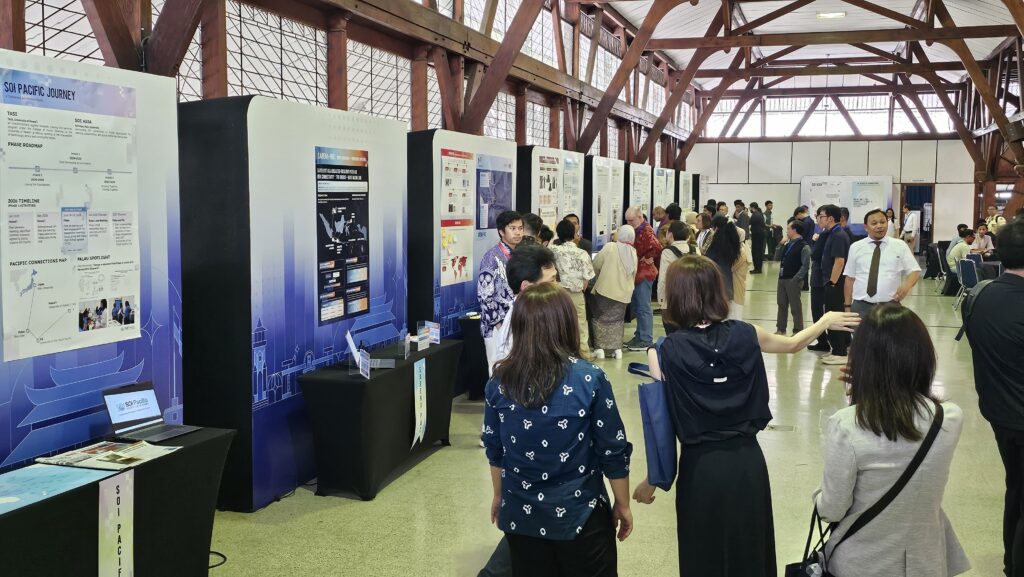
Their involvement reflected a pattern that has become increasingly important across SOI Asia: participants returning as contributors and helping create opportunities for those who follow them.
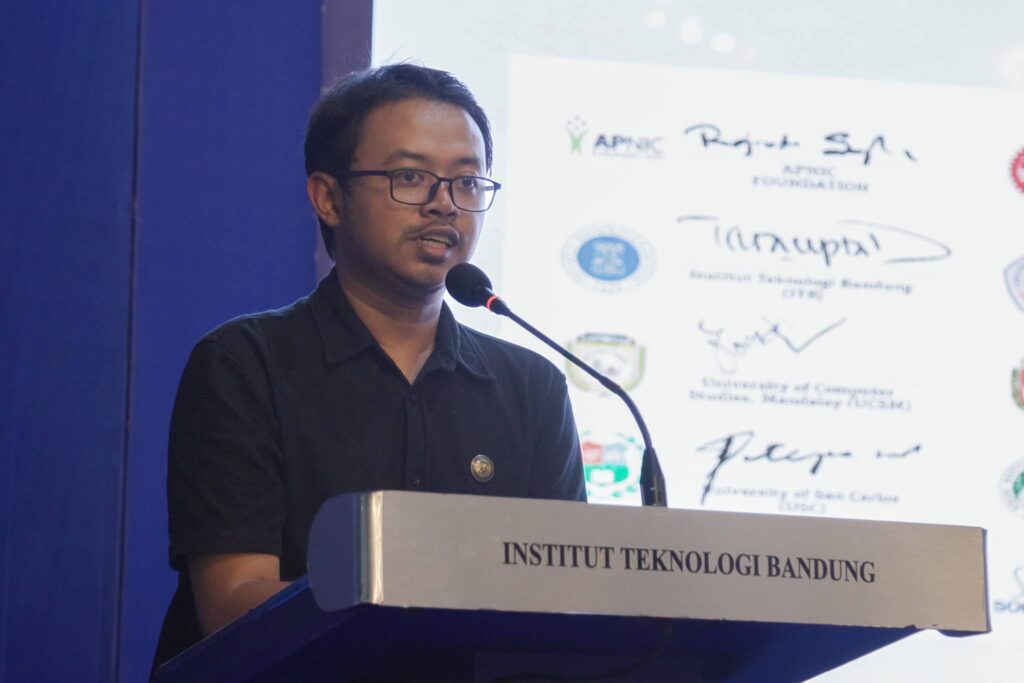
The anniversary celebrations continued in the evening with the Gala Dinner. Arwindra Rizqiawan, Vice Dean of Resources at ITB, opened the dinner by sharing his own connection with SOI Asia. He recalled arriving at ITB as a freshman around two decades ago and being amazed by the Internet connectivity available through AI³. Returning for the anniversary, he reflected on the impact that experience had on his own journey.
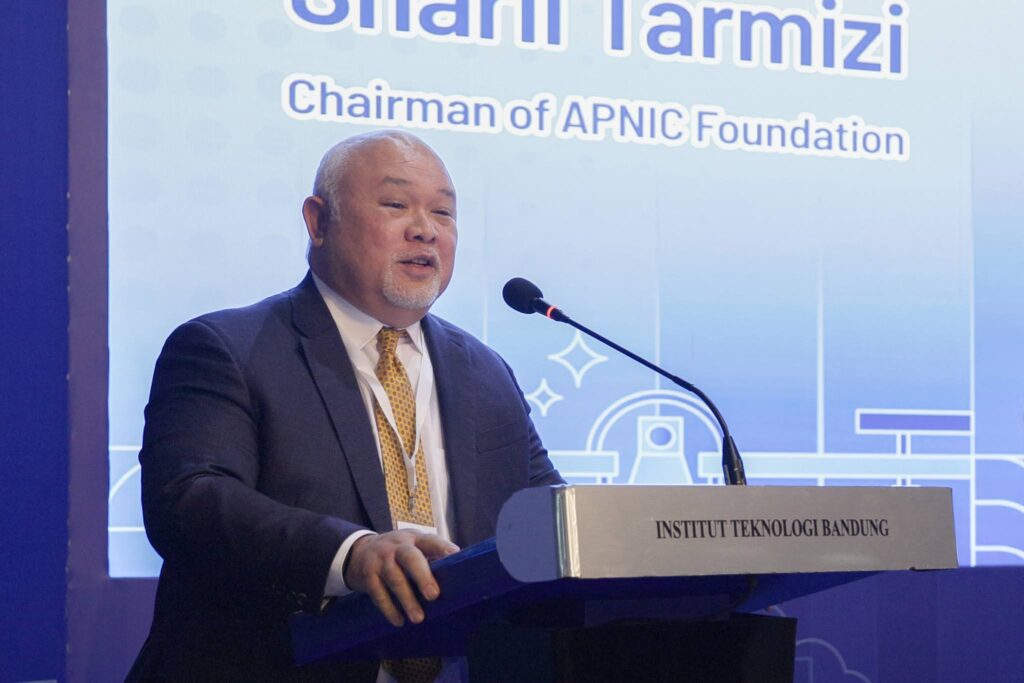
APNIC Foundation Board Chair Sharil Tarmizi also welcomed participants, inviting them to consider the cultural and social dimensions of the Internet and the continuing challenge of digital inclusion in an unequal world. His reflection shifted the focus beyond technology itself to what the Internet can enable for people and society.
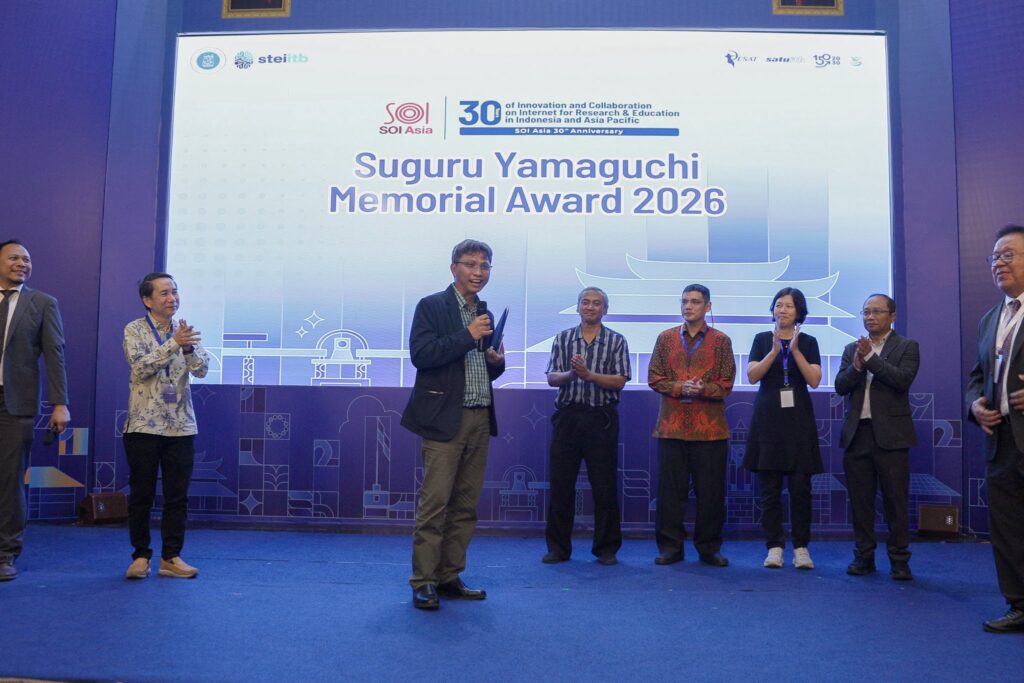
The Gala Dinner also celebrated another example of continuity across generations. Muhammad Niswar, professor at Universitas Hasanuddin (UNHAS), received the Suguru Award, with previous recipients joining him on stage to welcome the newest awardee. A former student of Suguru Yamaguchi at Nara Institute of Science and Technology (NAIST) in Japan, Niswar contributed to AI³, the network infrastructure that supported the early development of the SOI Asia community, and has continued to contribute as the community evolved.
Towards the next 30 years
Thirty years ago, connecting universities across Asia was itself an ambitious undertaking. Over time, those connections enabled people to share knowledge, develop new capabilities, conduct research together and build relationships across institutions and borders.
The 61st SOI Asia Meeting showed a community continuing to evolve: students presenting research alongside experienced partners, alumni returning to contribute, younger faculty being encouraged to become involved, a new partner joining the network, and new collaborations extending into the Pacific.
The 2026 Bandung Declaration now provides a commitment for the next chapter: to use those relationships and capabilities to contribute to the design of a global resilient society.
The technologies, challenges and opportunities will continue to change. But after 30 years, the discussions in Bandung suggested that one of SOI Asia’s most enduring resources remains the community itself — and what its members can do together.