
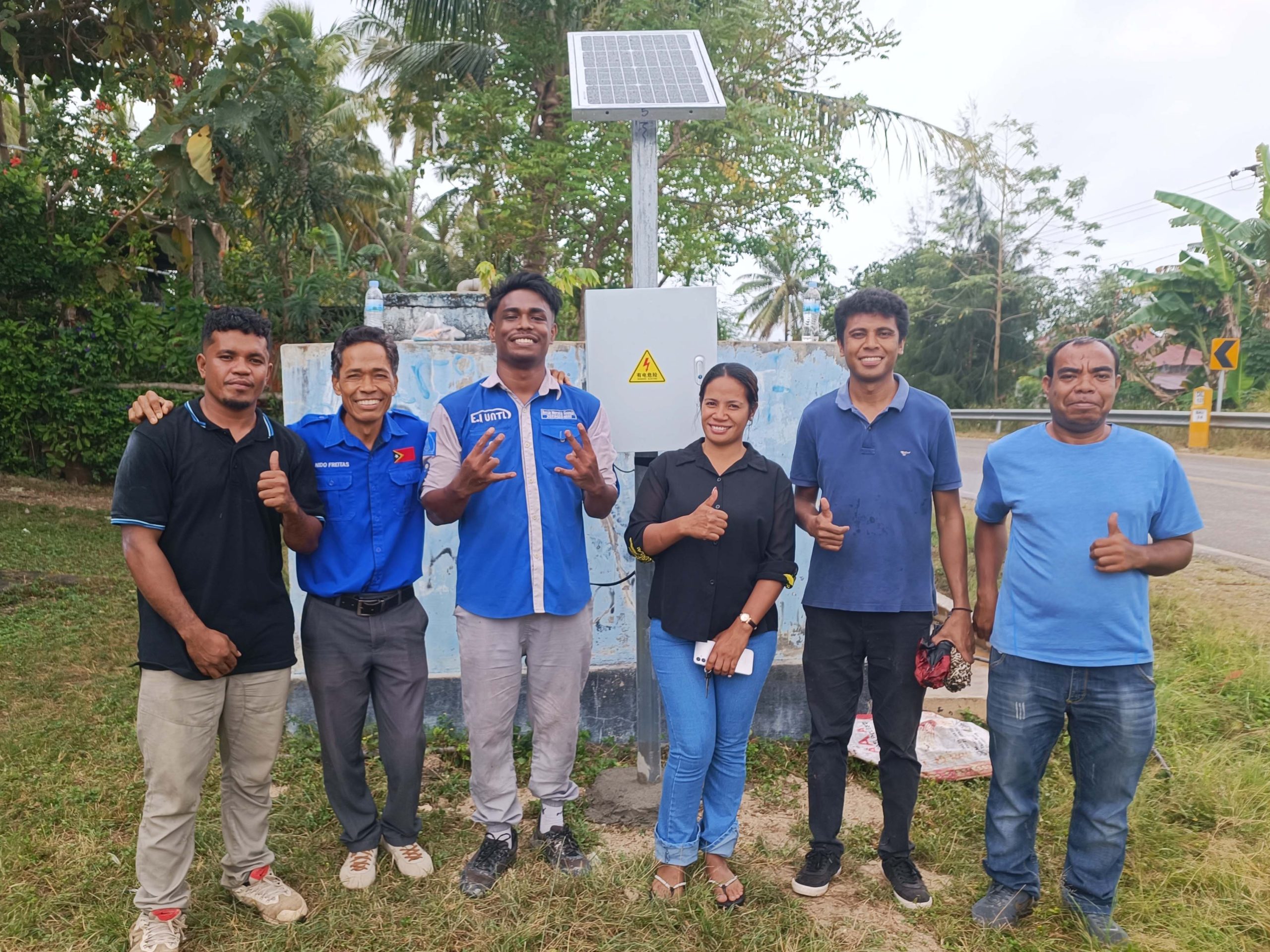
Feature image caption: UNTL team after installation of water monitoring system
How can communities manage their water resources when they have little information about how much water flows through their supply system? Through the SOI Asia Community-Based Research (CBR) initiative, partner universities in Timor-Leste, Indonesia, and Malaysia are exploring how Internet of Things (IoT) technology, supported by local skills and community involvement, can help answer this question.
In October 2026, a monitoring visit returned to the project site approximately six months after deployment. Through interviews with local people and a site visit, the team examined how the system was working in practice and identified opportunities for further improvement.
This project brings together Universidade Nacional Timor Lorosa’e (UNTL), Universitas Syiah Kuala (USK) in Indonesia, and Universiti Sains Malaysia (USM). The wider CBR initiative supports collaborative research among partner universities to address shared challenges. CBR projects typically develop over approximately 18 months, providing time for research, capacity building, testing, and implementation.
Starting with the community’s water management challenges
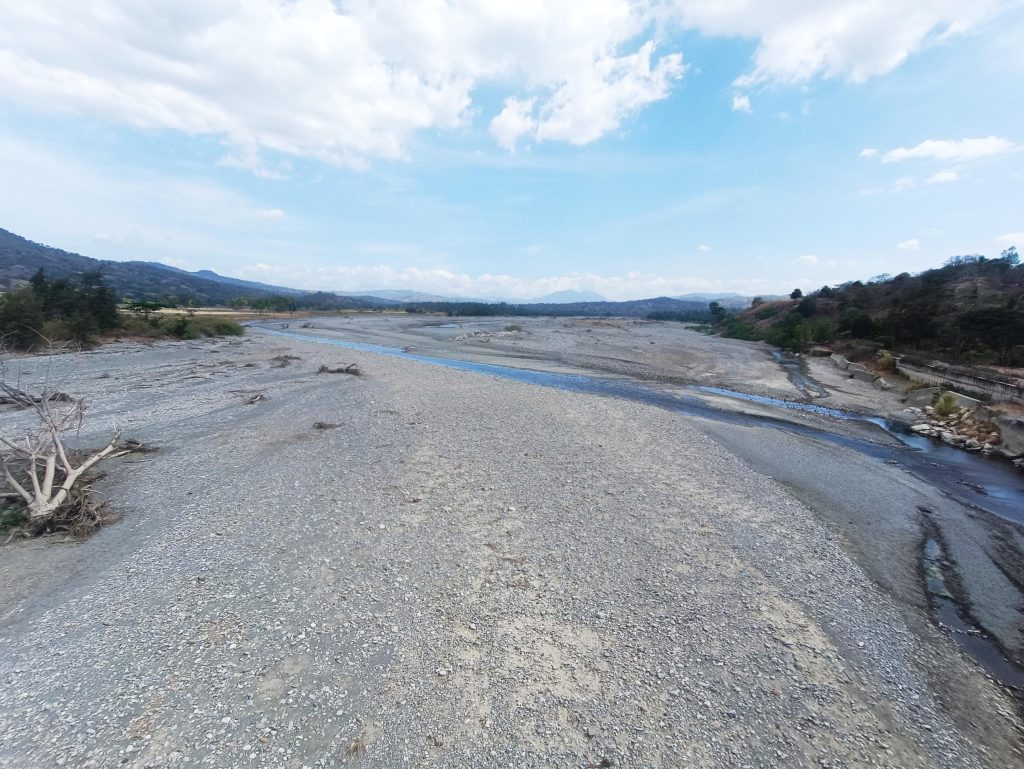
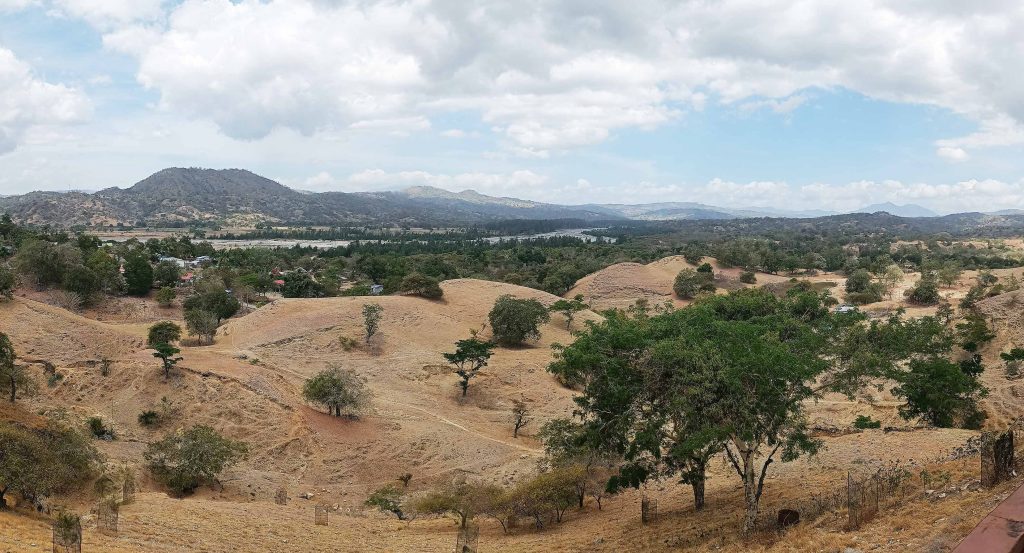
The project began with a practical problem: seasonal water scarcity was compounded by limited information about the community’s water supply. Without instruments to measure flow and volume, local leaders relied on manual estimates when discussing demand, maintenance, and resource allocation.
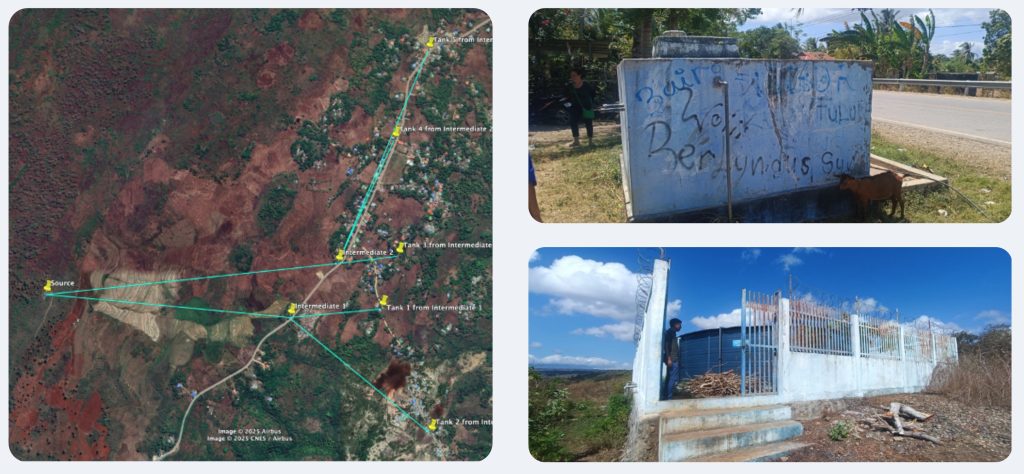
Maintaining the infrastructure presented another challenge. Leaks and other distribution problems could be difficult to identify, while limited experience with digital monitoring systems raised questions about who would operate and maintain any new technology.
These conditions shaped the project’s central design question: how could water monitoring become useful and sustainable within the community’s existing infrastructure and technical capacity?
Designing around local conditions
The team combined human-centered design to identify requirements with iterative system development and field testing.
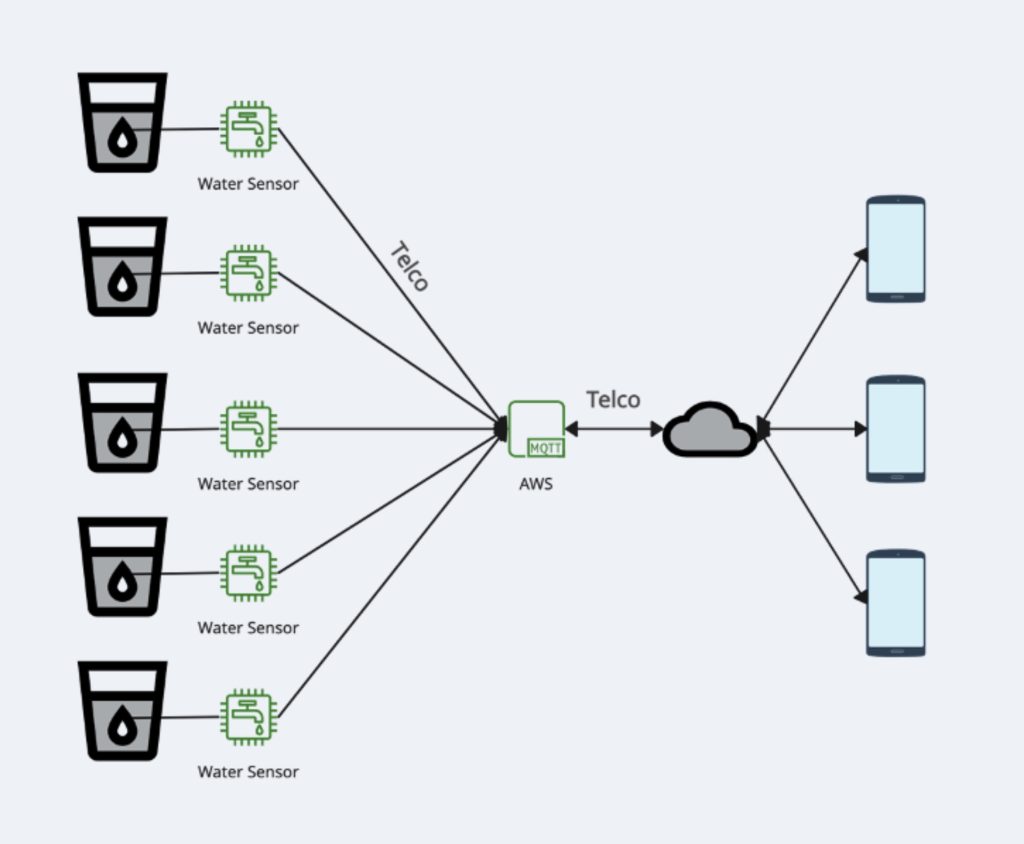
One requirement directly influenced the hardware: installation must not involve cutting the existing water pipes. The team therefore selected ultrasonic flow sensors that could measure water flow from outside the pipes.
Solar power and battery storage supplied the monitoring equipment, while a cellular connection transmitted measurements to a cloud platform. A mobile application displayed current flow rates, historical consumption records, and battery status. UNTL students and faculty members also participated in localizing the application into Tetum and Portuguese.
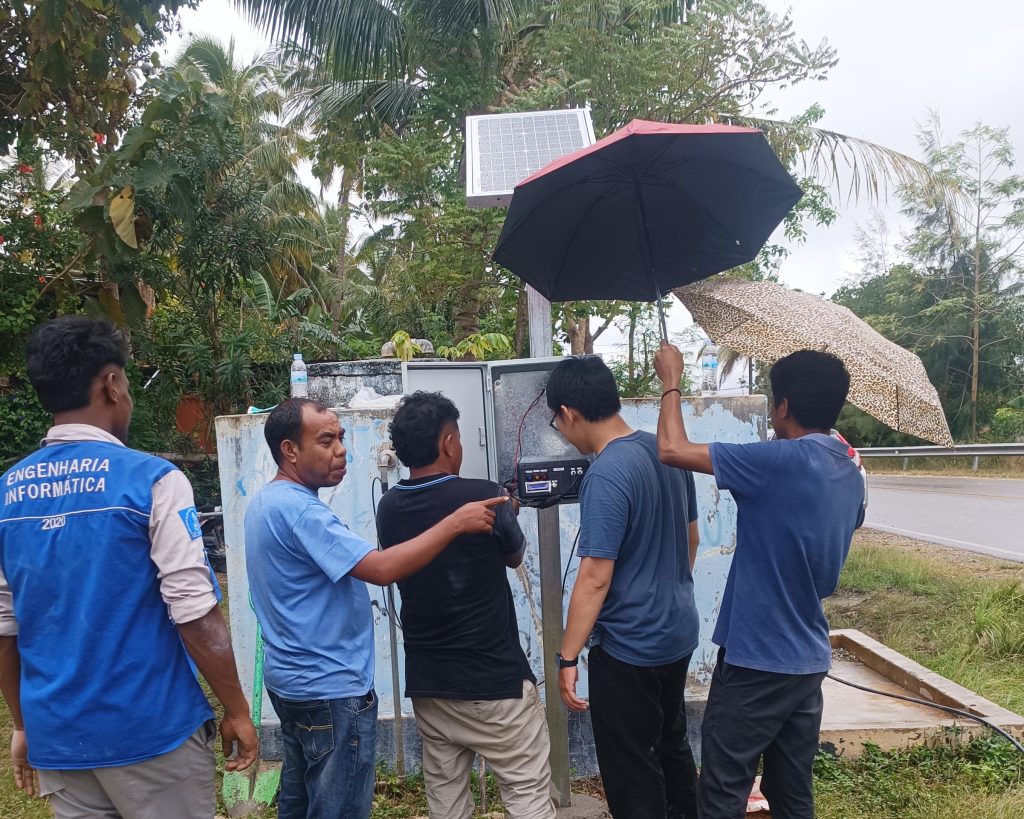
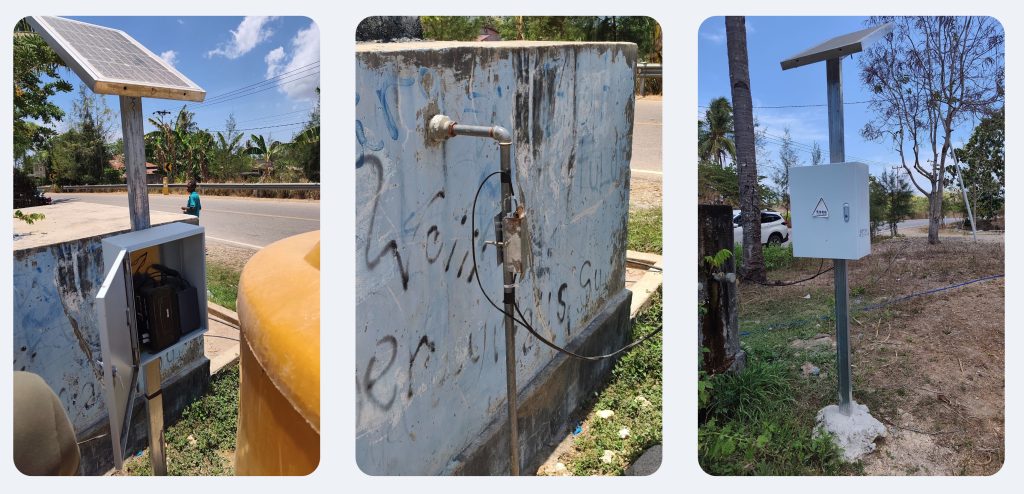
The approach addressed both the technical requirements of monitoring water and the skills needed to sustain the system locally.
Building local capacity: the USM-led workshop
An important milestone in the project was a five-day workshop on IoT systems and smart applications held at UNTL from September 27 to October 2, 2025. Led by Dr. Yung-Wey Chong, with support from USM students Yew Ken Heng and Naomi Tham, the workshop brought together 20 UNTL engineering students for hands-on learning.
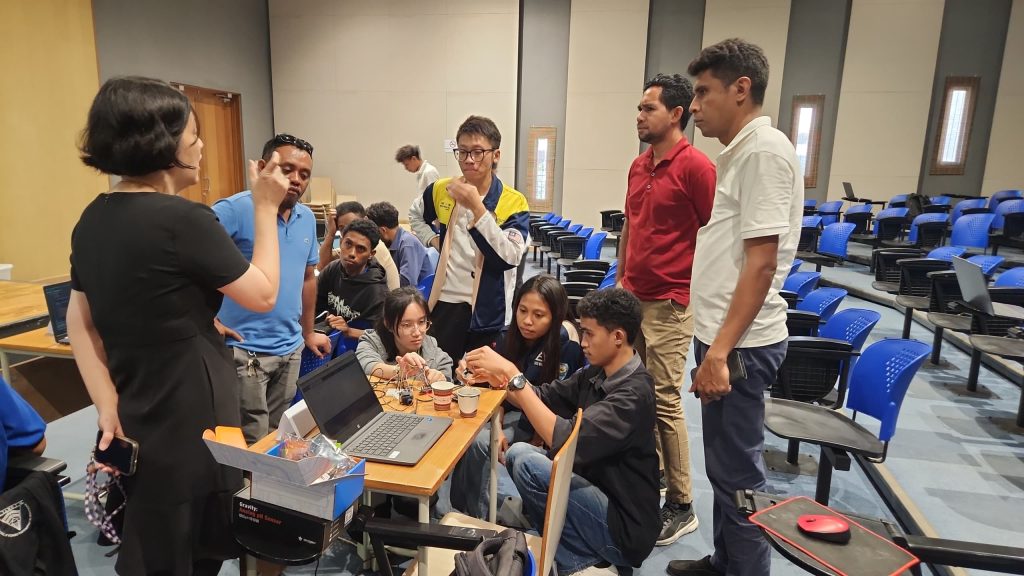
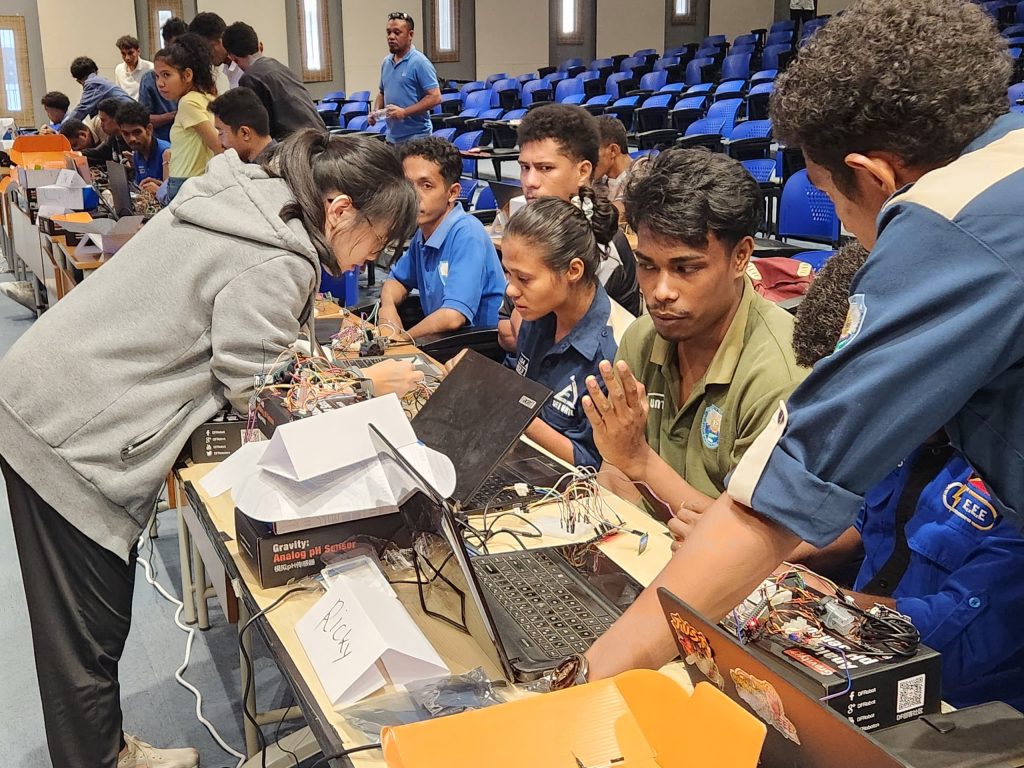
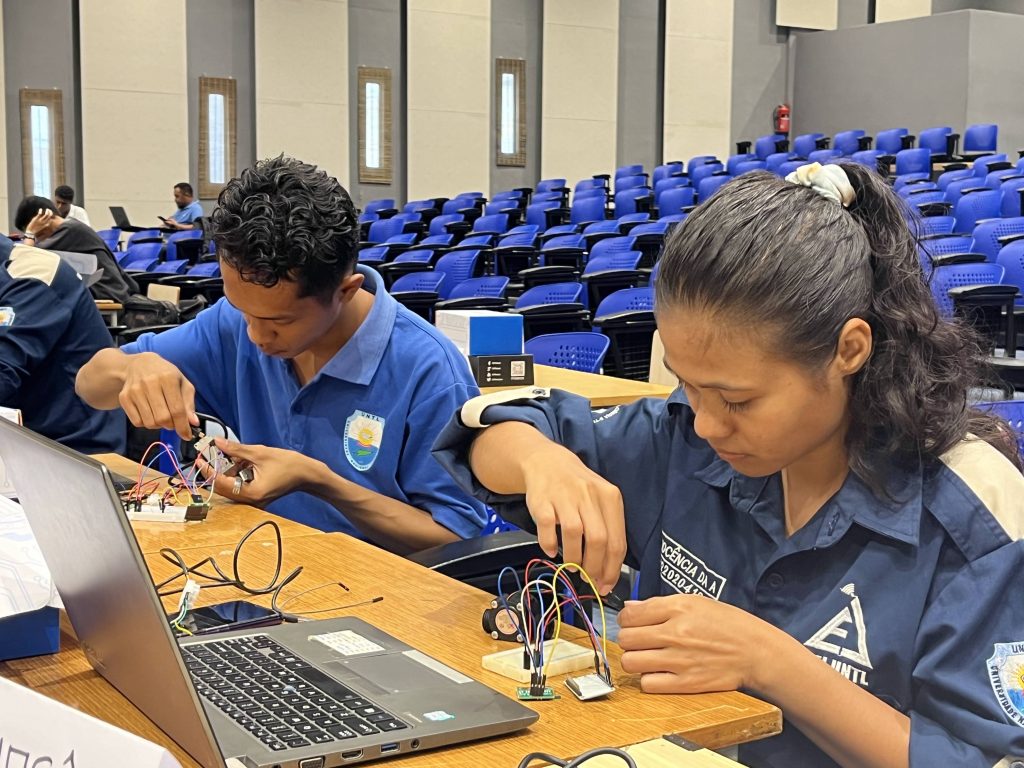
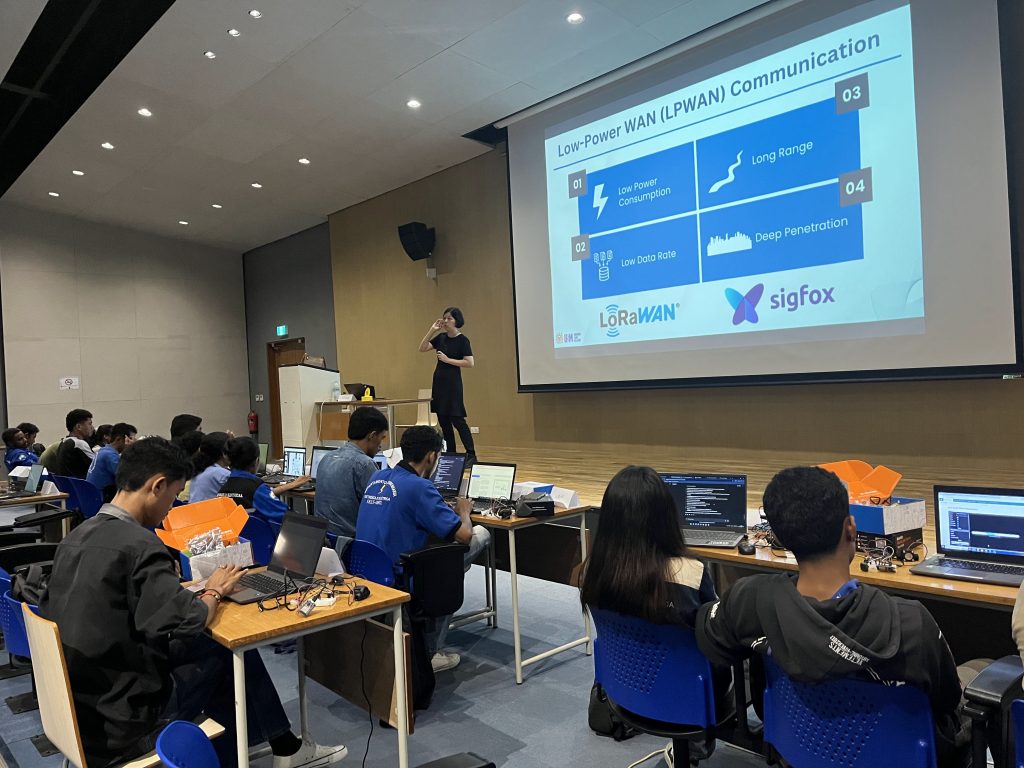
Participants explored embedded systems, sensors, wireless communication, cloud computing, and data visualization, and built a prototype IoT water monitoring system. These activities connected technical learning with the water management challenges that the CBR project sought to address.
The workshop provided a foundation for subsequent technical training led by USK and joint testing and installation with UNTL. This progression—from foundational skills to field deployment—was central to developing local capacity to operate, maintain, and improve the system. Students and faculty gained practical experience in assembling equipment, working with cloud services, and troubleshooting under real field conditions.
Returning six months later
The October monitoring visit provided an opportunity to assess the system beyond its initial installation.
The findings presented during the visit indicated that local leaders now had access to measured water-use information to support discussions with municipal authorities and donor organizations. This offered a more concrete basis for explaining community needs and preparing proposals.
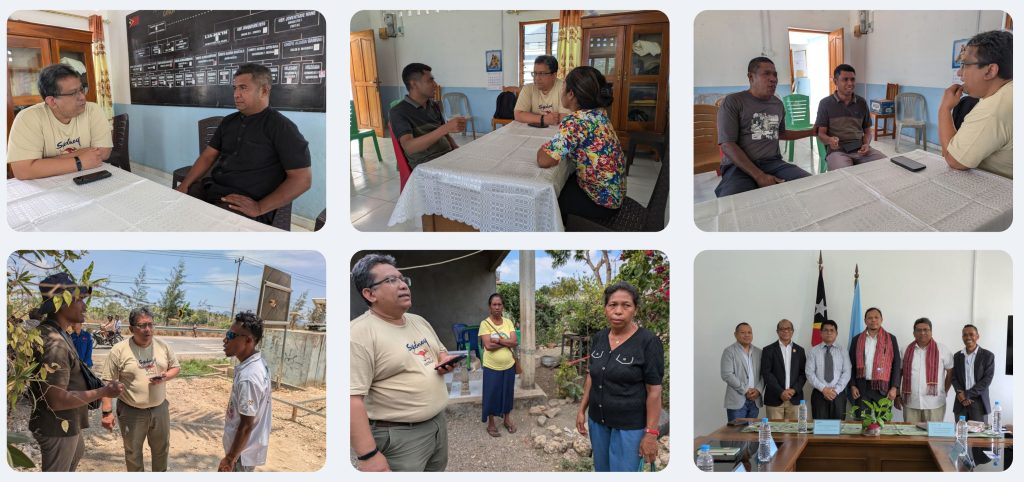
The monitoring also highlighted a useful application of the data: comparing measurements across the main and secondary tanks could help identify possible leaks or unauthorized connections, guiding further investigation.
The system had generally operated stably over several months, although brief interruptions in data transmission occurred during overcast weather or temporary cellular outages. These experiences provided practical feedback on the power and connectivity arrangements.
Learning from deployment, designing the next steps
The visit also identified challenges for long-term maintenance. Some replacement components were difficult to obtain locally, even though solar panels were widely available. Adapting the hardware to locally available parts emerged as an important direction for future development.
Other proposed improvements include easier data exports for municipal proposals, analysis of long-term consumption trends, and alerts for unusual flow patterns. These needs offer opportunities for UNTL student research grounded in an operating community system.
For SOI Asia, the project demonstrates how collaboration between universities can connect technical expertise with local priorities. Returning after deployment extends that process: community experience informs further design, while students and faculty build the skills to maintain and improve the technology over time.