
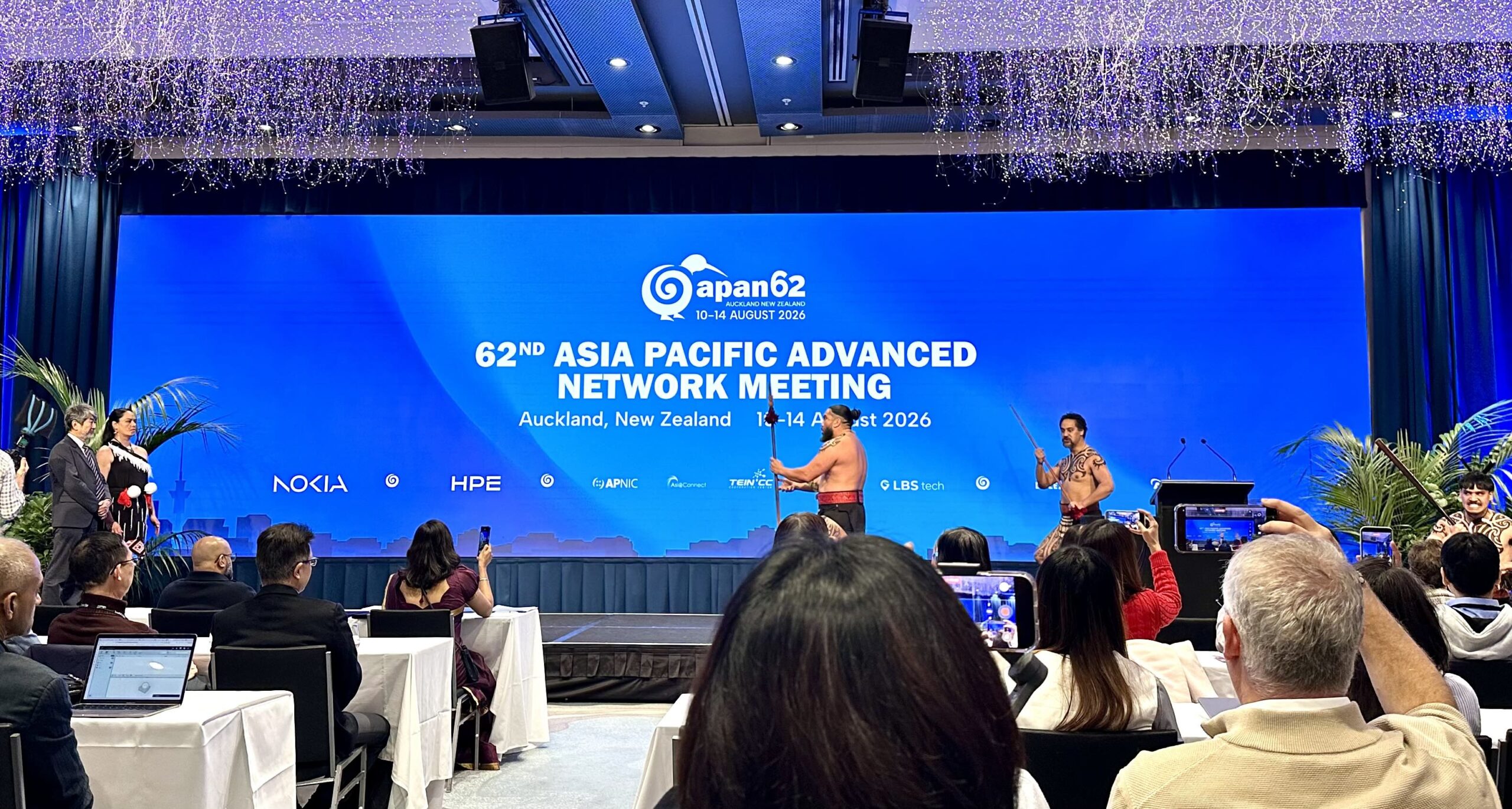
At the 62nd Asia Pacific Advanced Network (APAN 62) meeting, held from 10 to 14 August 2026 in Tāmaki Makaurau/Auckland, New Zealand, SOI Asia brought its initiatives to the wider research and education community for the fourth consecutive APAN meeting. This time, the main focus was the Digital Humanities Asia/And Science Hub (DHASH) and its work advancing responsible Open Science and digital cultural heritage across Asia.
The session brought together DHASH partners from Japan, Indonesia, and Nepal to share their work on 3D digitization and community-centred approaches to cultural heritage. It also marked the first international appearance of SOI Pacific, introducing the new initiative’s early activities and opening a discussion on how the rich diversity of cultures across the Pacific Islands could connect with the Open Science platform being developed through DHASH.
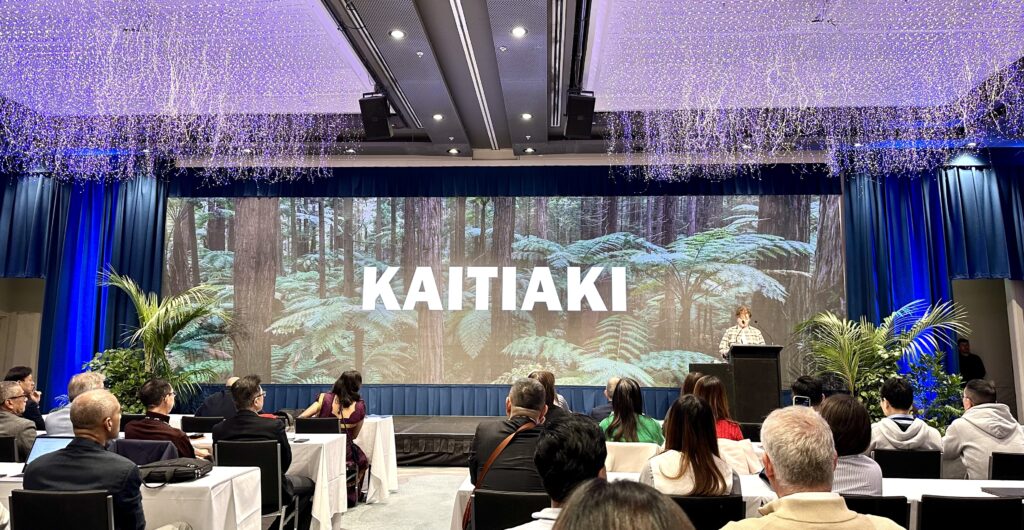
During the opening ceremony, REANNZ Chief Executive Amber McEwen introduced the Māori concept of kaitiaki, or guardianship, inviting participants to consider what the research and education community wants to protect: its networks, its communities, the free flow of information? The question resonated with discussions throughout the week around trust, collaboration, and the connections that bring research and education communities together.
Advancing Open Science through DHASH
SOI Asia’s session, “Responsible, Interoperable, and Sustainable: Open Science Collaborations for Digital Cultural Heritage and Community Learning across Asia and the Pacific,” was held as part of APAN’s e-Culture Special Interest Group (SIG).
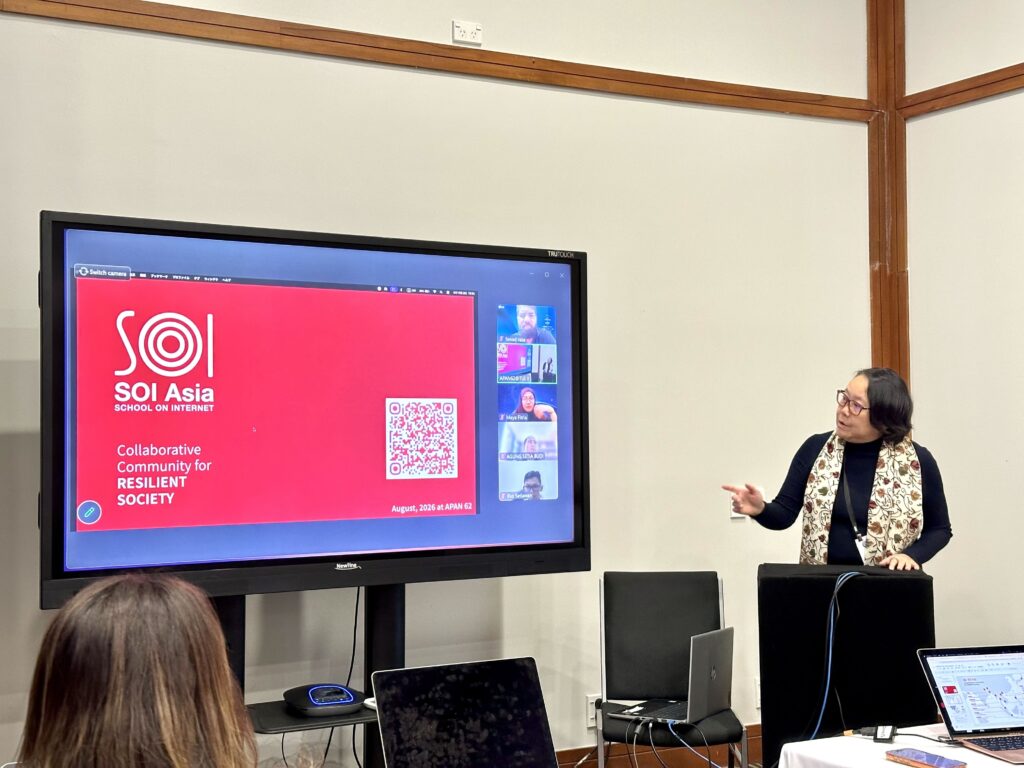
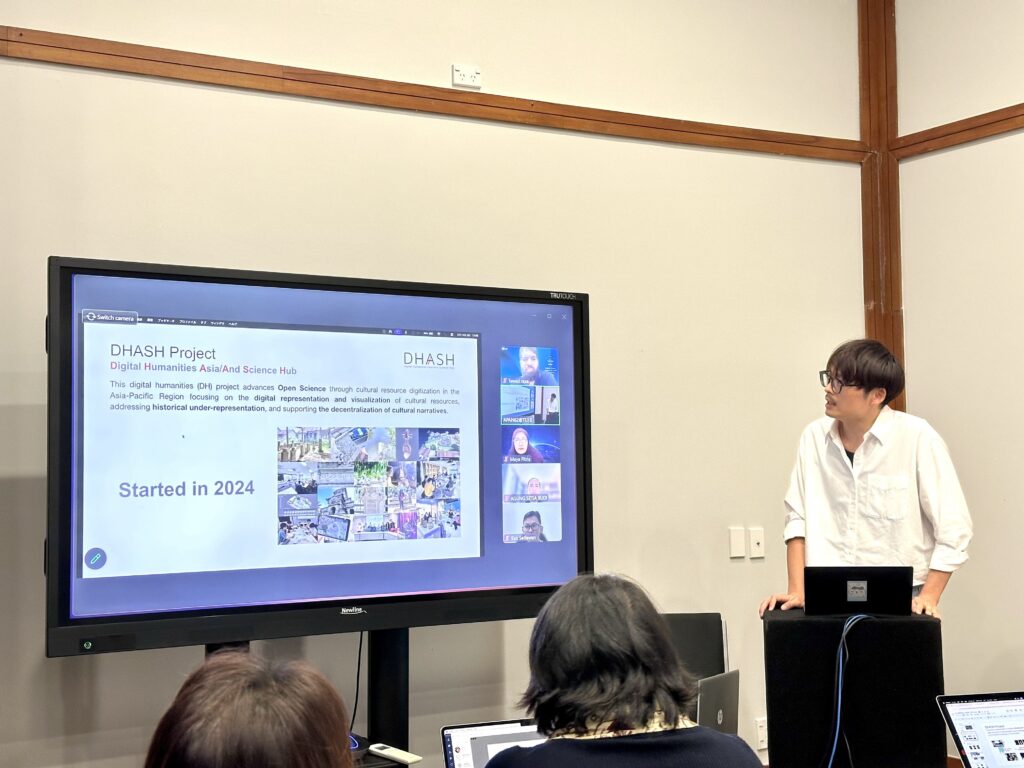
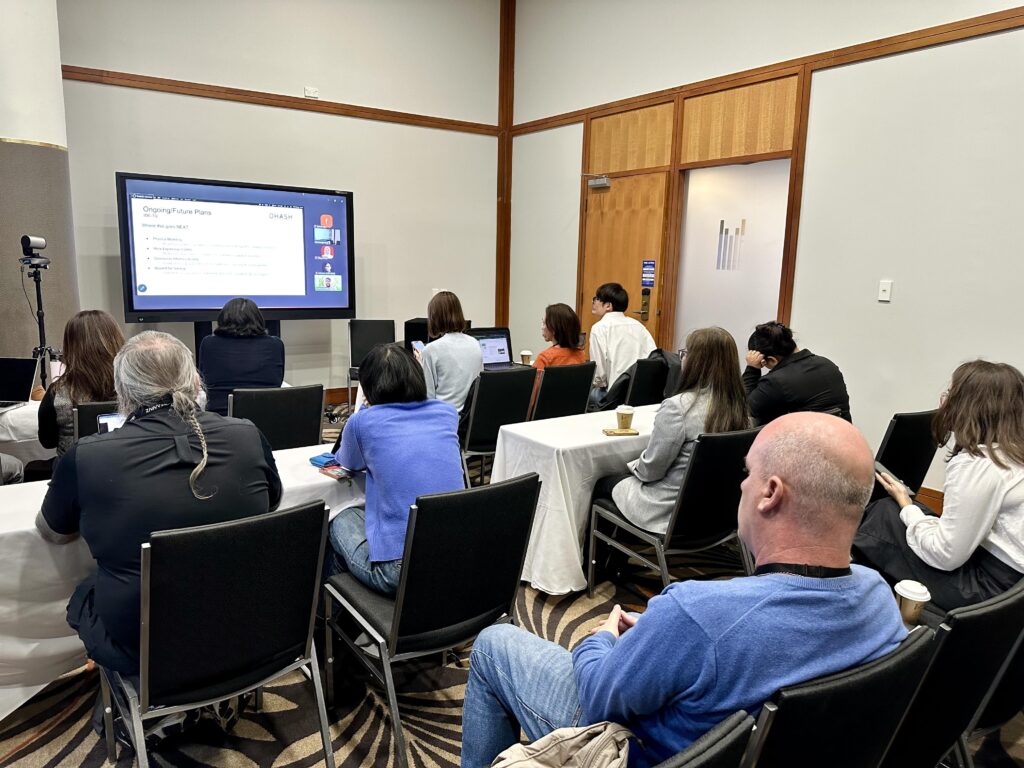
At the center of the session was DHASH, a collaboration among Keio University in Japan, Brawijaya University and Syiah Kuala University in Indonesia, and the Institute of Engineering of Tribhuvan University in Nepal. Partners joined remotely to report on work taking place at their respective sites, including 3D digitization pipelines and community-centred approaches to documenting and sharing digital cultural heritage.
Beyond the technologies themselves, the discussion explored a broader question: how can a long-standing academic network such as SOI Asia help advance Open Science in ways that are technically robust, institutionally sustainable, and ethically responsible? By connecting work taking place in different local contexts, DHASH is exploring how shared approaches and platforms can support research, education, and community learning across institutions and borders.
SOI Pacific makes its international debut
The second part of the session looked toward a new area of collaboration. APAN 62 marked the first international presentation of SOI Pacific, a new initiative jointly developed by Keio University and the University of Hawaiʻi.
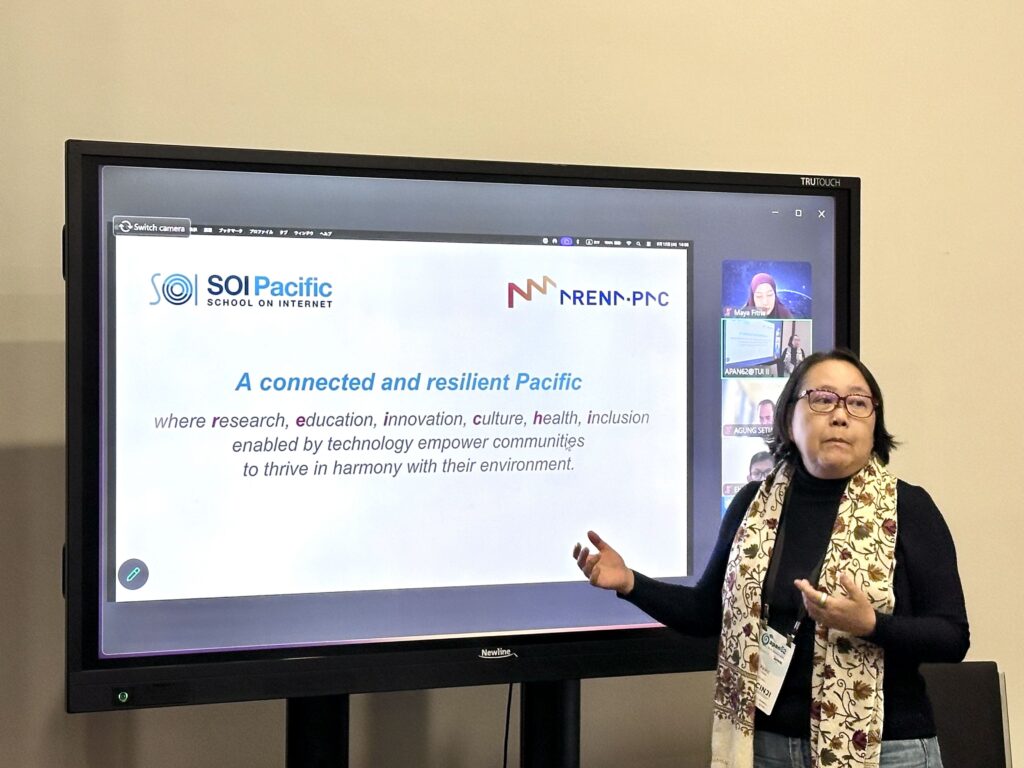
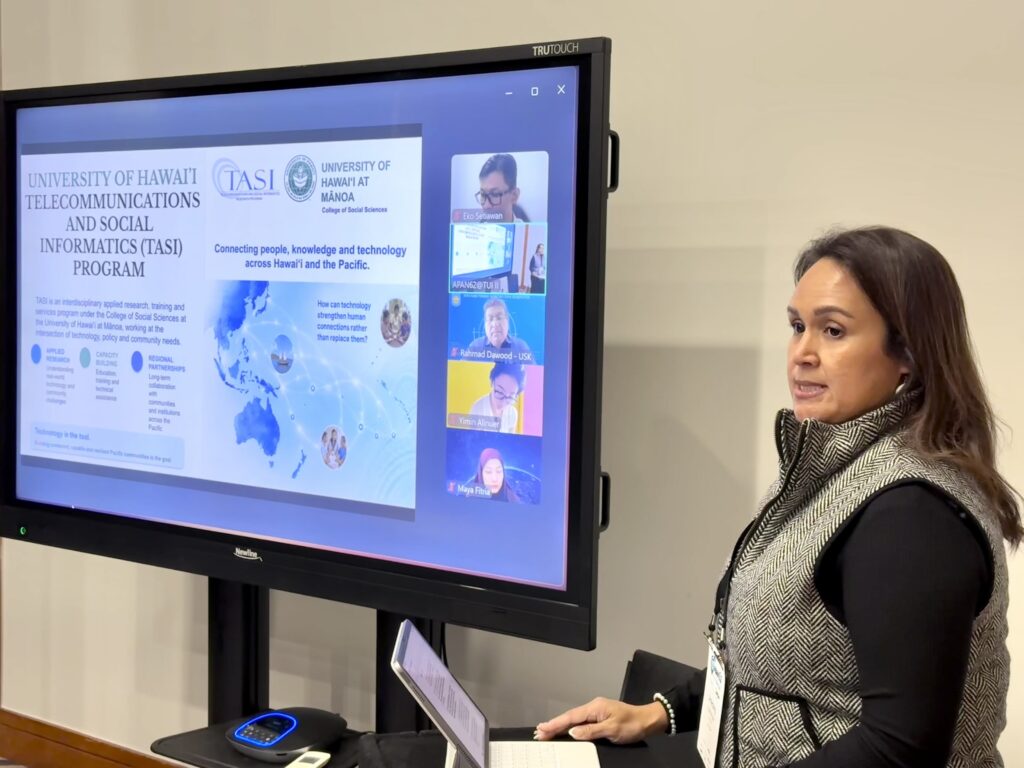
SOI Pacific shared its vision, initial plans, and activities already underway across the Pacific. Its introduction also opened a discussion on how the rich diversity of cultures across the Pacific Islands could connect with and potentially contribute to the Open Science platform being developed through DHASH. This raised new possibilities for collaboration around cultural heritage, community-based research, and the responsible sharing of research and cultural resources across Asia and the Pacific.
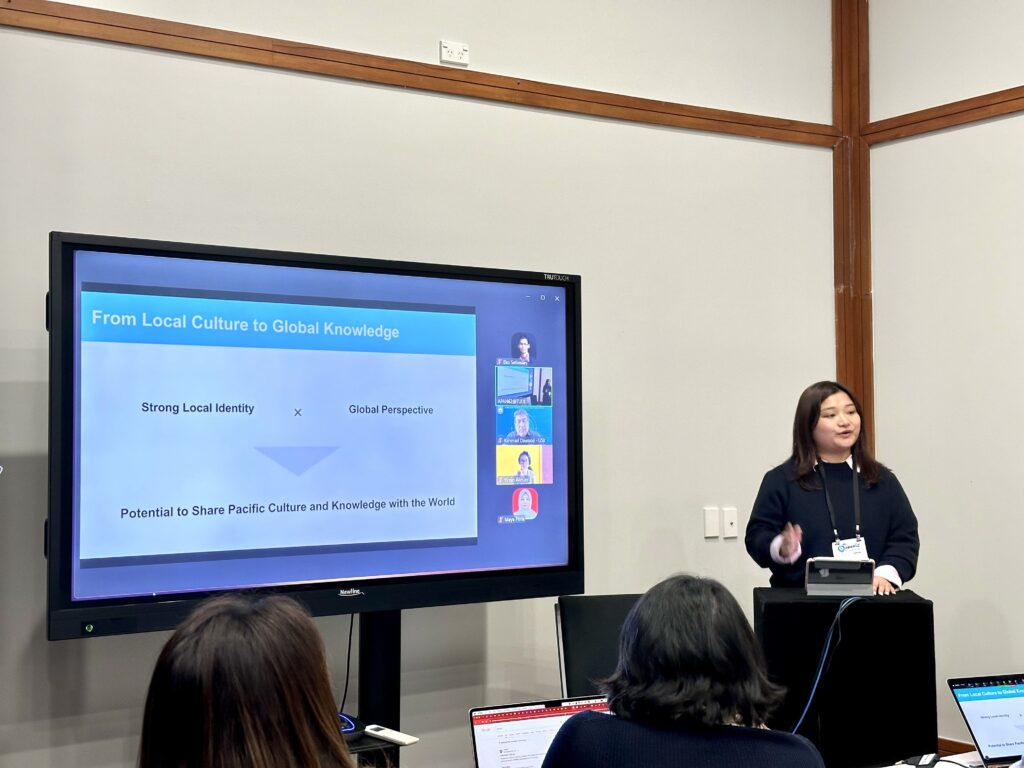
For SOI Asia, this represents both continuity and a new direction. SOI Pacific is developing its own identity and responding to the distinct contexts of Pacific Islands, while creating new possibilities for connections between research and education communities across Asia and the Pacific.
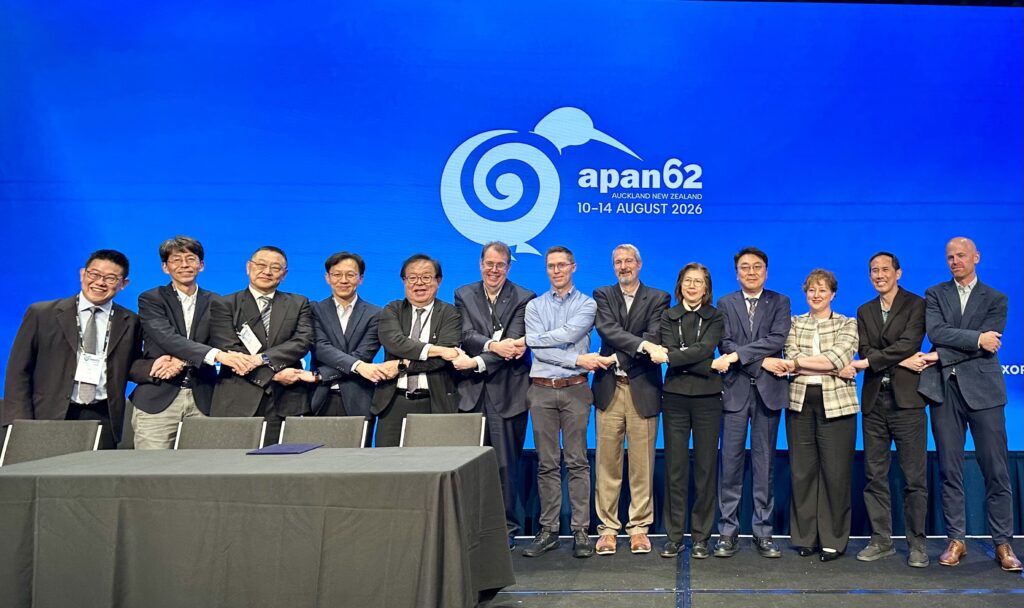
The wider APAN 62 program also reinforced the importance of strengthening the infrastructure that enables these communities to connect. During the opening ceremony, research and education networks from across the region marked new international agreements, including a Memorandum of Understanding involving the Asia Pacific Oceania Network (APOnet). Among the participating networks was the Arterial Research and Educational Network in the Asia Pacific (ARENA-PAC), an important partner providing backbone connectivity that supports both SOI Asia and SOI Pacific.
What do we want to protect?
The question introduced through kaitiaki at the opening of APAN 62 also resonates with SOI Asia’s journey. Technologies and networks have changed significantly over the past three decades, but SOI Asia’s purpose has remained consistent: connecting people across borders and creating opportunities to learn and work together.
DHASH adds another dimension to this question. As cultural heritage can increasingly be digitized, studied, and shared across borders, responsible collaboration also means respecting and protecting the communities, cultures, and relationships connected to it.
What should be protected, then, goes beyond infrastructure. It includes trust between institutions, strong communities, and the ability to exchange ideas, learn from one another, and collaborate across borders.
From DHASH connecting communities around cultural heritage preservation and Open Science to SOI Pacific opening new connections across the Pacific, these initiatives share an ambition: to help make cyberspace a place where research and education communities can meet, learn from one another, and build together toward a peaceful and resilient future.