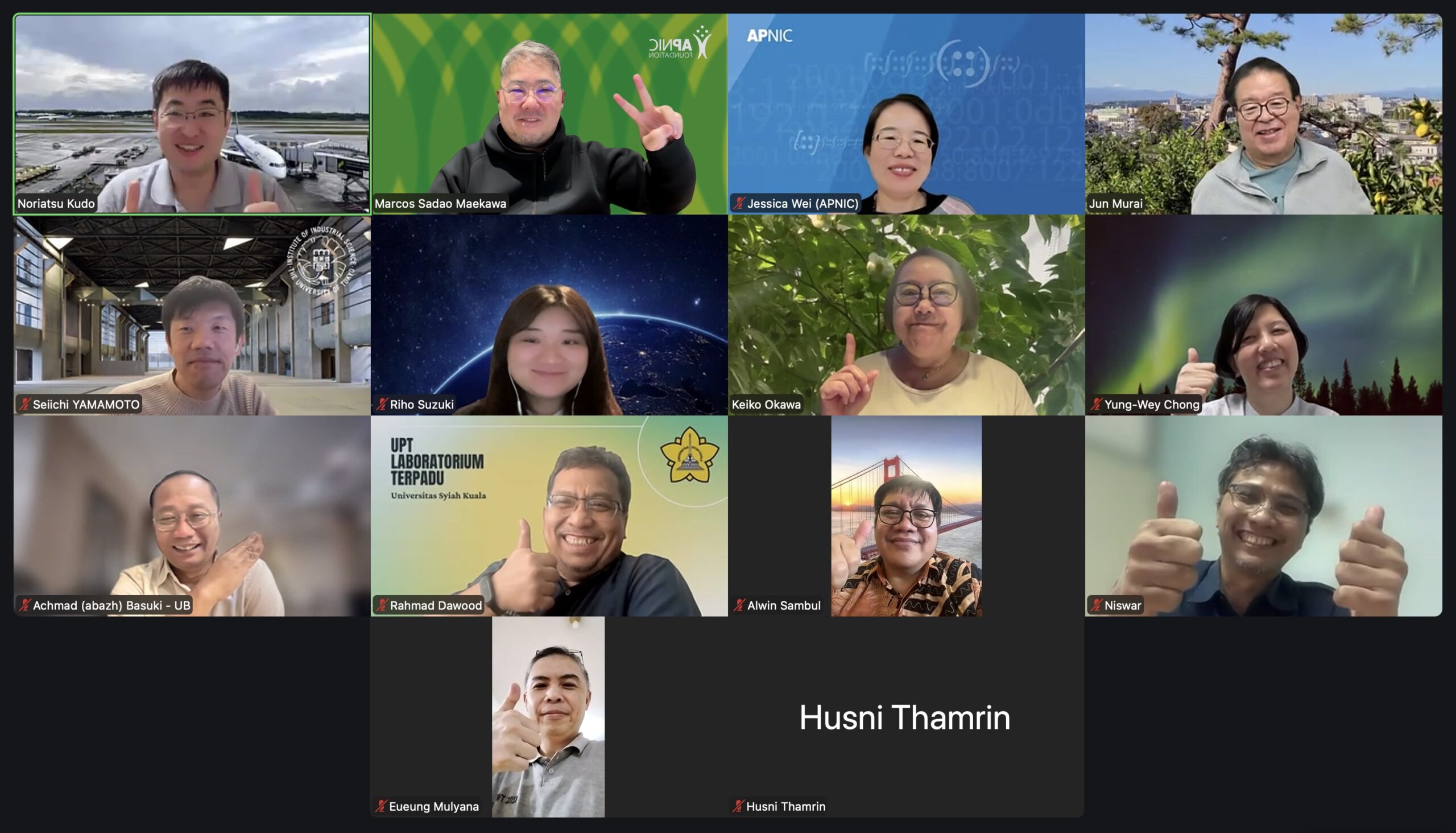
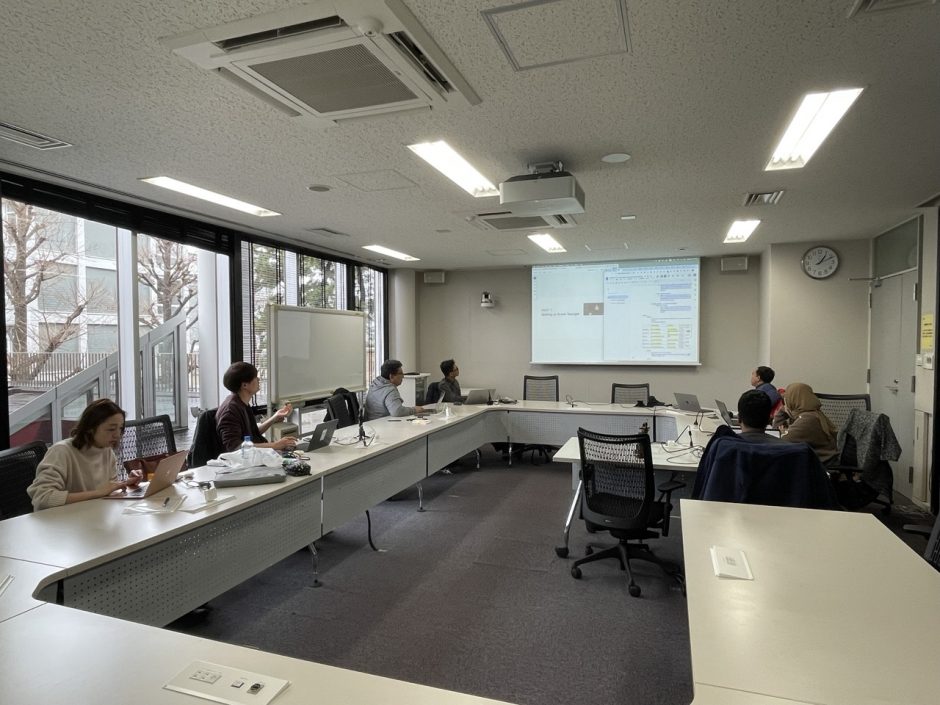
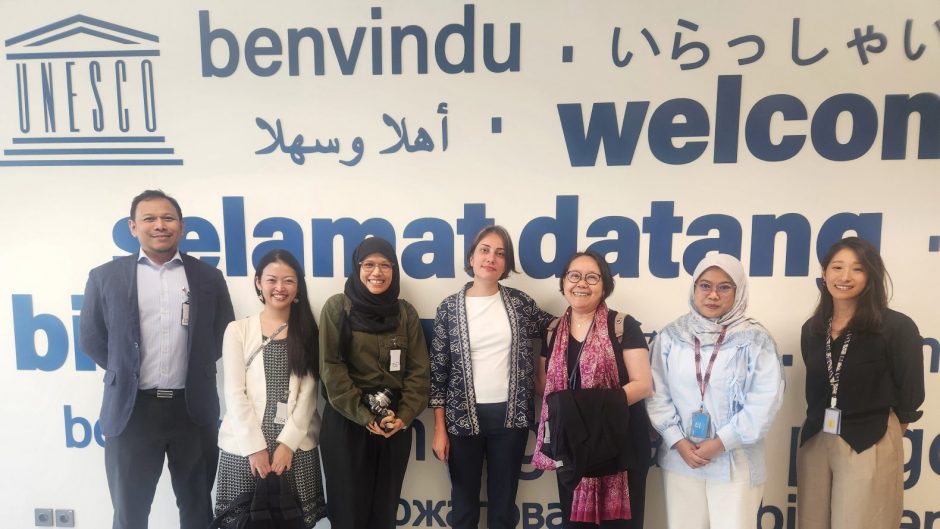
On January 14, the APIE Advisory and Curriculum Committees met to review progress and discuss the next phase of the APIE program.
The discussion reflected how the program continues to mature — from stronger regional collaborations and community-based activities, to the growing importance of APIE alumni who return in different roles, including as teaching assistants and NOC team members, supporting learners and sustaining learning environments.
Looking ahead, committee members exchanged views on assessment approaches, internship programs, alumni engagement, and the newly proposed model for APIE Camps. Topics included trainer training, minimum infrastructure requirements, and alignment with host university academic calendars.
The meeting provided a valuable opportunity to step back from delivery and focus on how APIE can scale thoughtfully, while preserving quality, international collaboration, and long-term impact across the Asia-Pacific.
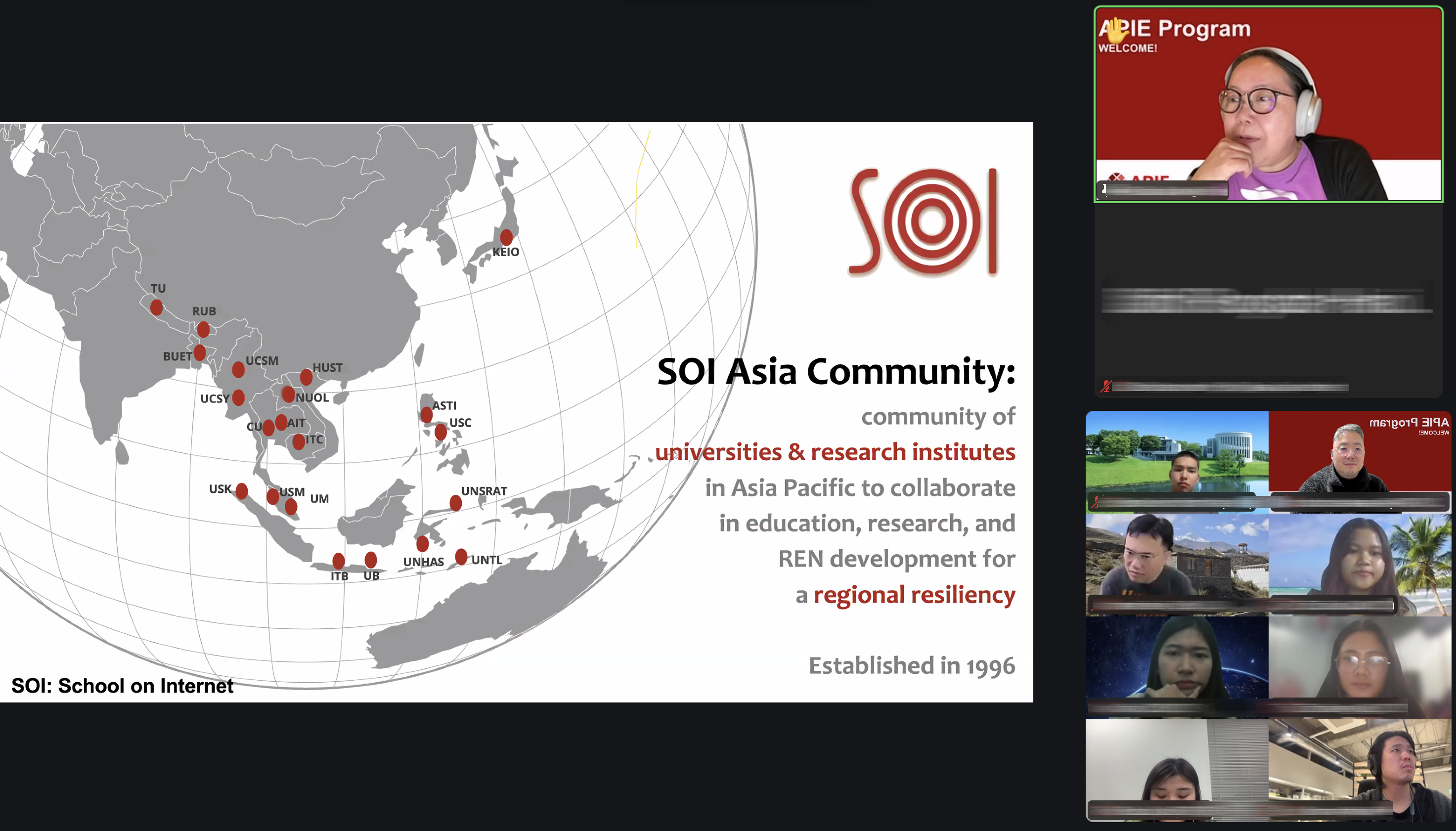
On January 13, 2026, the Asia Pacific Internet Engineering (APIE) program held an online information and onboarding session as part of the preparations for APIE Core Course Batch 08. The session was designed to support students who have already registered, as well as those considering participation, by helping them prepare for the start of the course.
This session was the first of two information sessions scheduled ahead of Batch 08, reflecting an effort to provide additional guidance and clarity before the course begins.
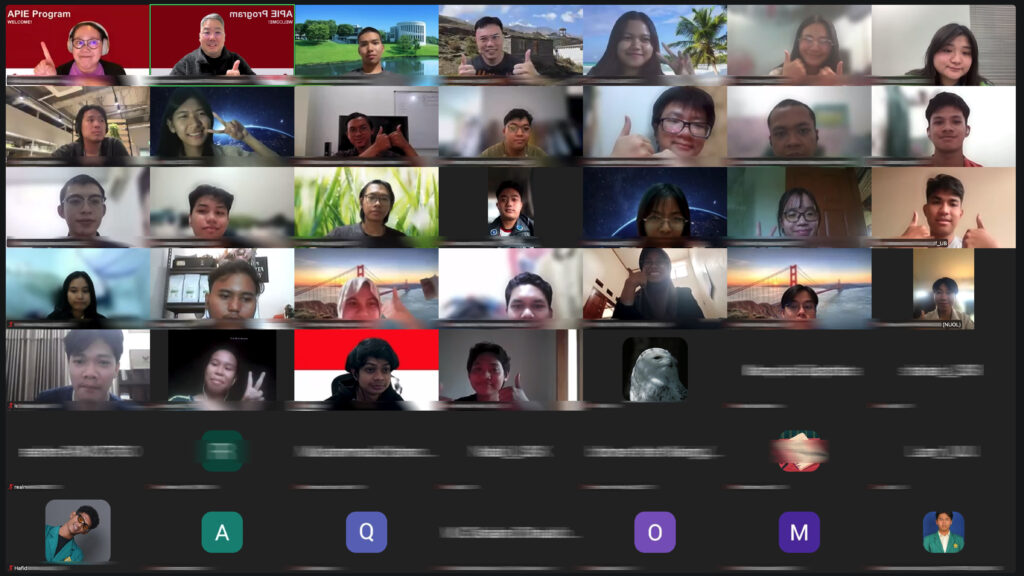
The session was opened by SOI Asia Director Keiko Okawa, who welcomed participants and introduced the objectives and overall structure of the APIE Core Course. More than 40 students joined the session, representing partner universities across Indonesia, Japan, Laos, Malaysia, Myanmar, Timor-Leste, and Vietnam. This batch also marks the first time students from Laos are joining the APIE program, further broadening the regional participation of the course.
A key focus of the session was onboarding and readiness. The APIE team walked participants through the main platforms and tools used throughout the course, including:
SOI Asia account, mainly used for managing digital badges
FutureLearn account, where the core course content is delivered
Google Classroom account, used for accessing course materials and managing attendance
Keiko also explained the course structure, schedule, and learning flow, with particular attention to time zone differences across the region. The session concluded with a short Q&A, addressing questions from participants related mainly to scheduling and participation.
Celebrating the first APIE info session
The meeting closed with a group photo, marking an early moment of connection among participants as they prepare to begin the Batch 08 learning journey. The next session featuring the same content will be held on January 19, 2026.
On July 28, SOI Asia officially launched the online course Participating in the Internet on FutureLearn, a global platform for open online learning. This marks the third course in the SOI Asia Online series, following the release of Understanding the Internet and Operating the Internet.
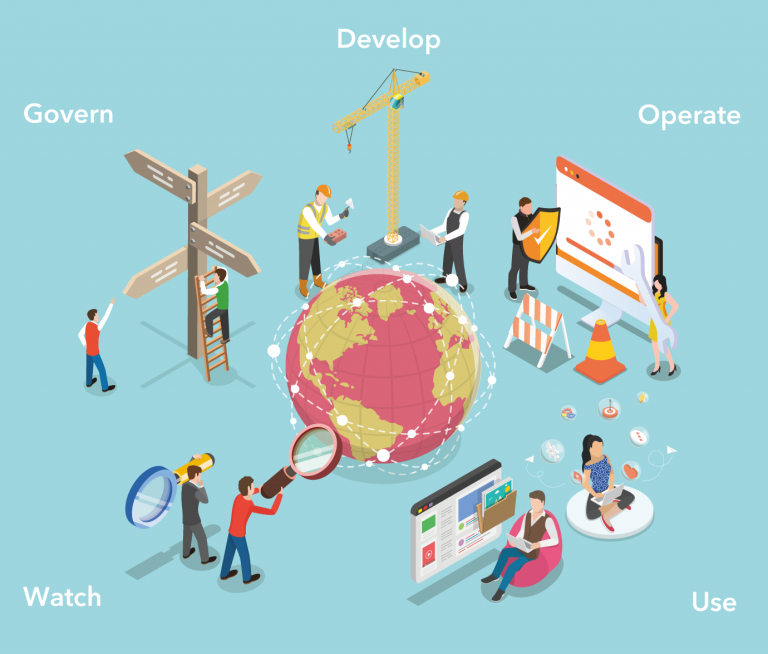
Designed as a self-paced course, Participating in the Internet introduces the evolving field of Internet governance, with a focus on how diverse communities and stakeholders shape the rules and operations of the global Internet.
The course is ideal for anyone interested in how the Internet community operates and influences society, and it does not require any technical background—though it also offers insights valuable to professionals in policy, engineering, civil society, and international development.
Over the course of three weeks, participants will explore:
The basics of Internet history and infrastructure
Internet resource management and community roles
The concept of the multi-stakeholder model in Internet governance
How to get involved in global Internet forums and initiatives
The course was produced by a dedicated SOI Asia team at Keio University, in collaboration with the WIDE Project, APNIC, AITAC, and other key stakeholders in the Internet ecosystem, with support from the APNIC Foundation. It is part of a broader effort to build capacity in the Asia Pacific region and beyond by encouraging the next generation of Internet users and professionals to take an active role in shaping a secure, inclusive, and sustainable Internet.
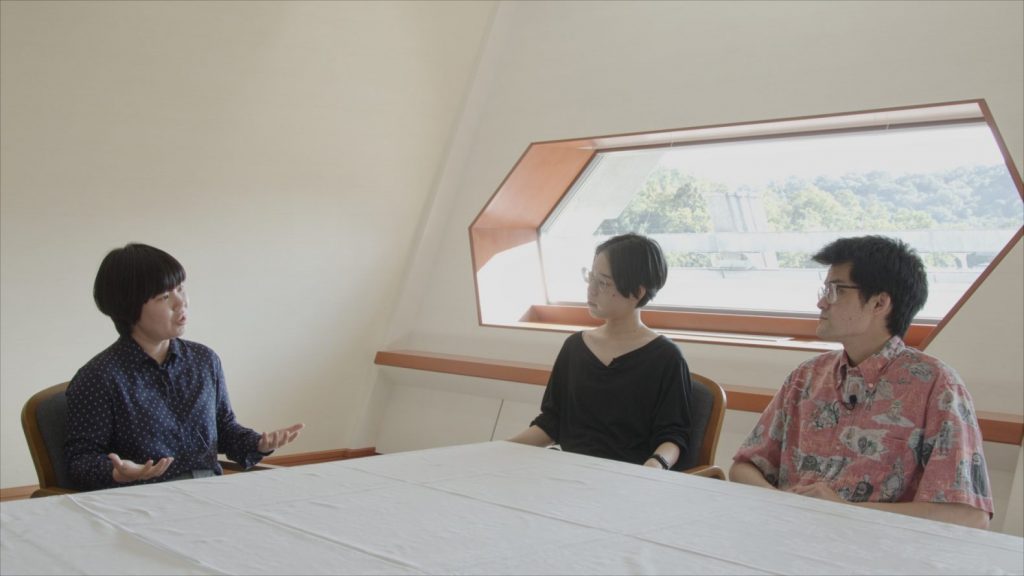
Interview with Joyce Chen (on the left), from APNIC.
To further promote the course and foster dialogue around youth engagement in Internet governance, SOI Asia is hosting a dedicated panel session on 29 July at APAN 60 in Hong Kong. The session will provide an overview of ongoing efforts by global and regional bodies to involve younger generations in the design, governance, and future development of the Internet.
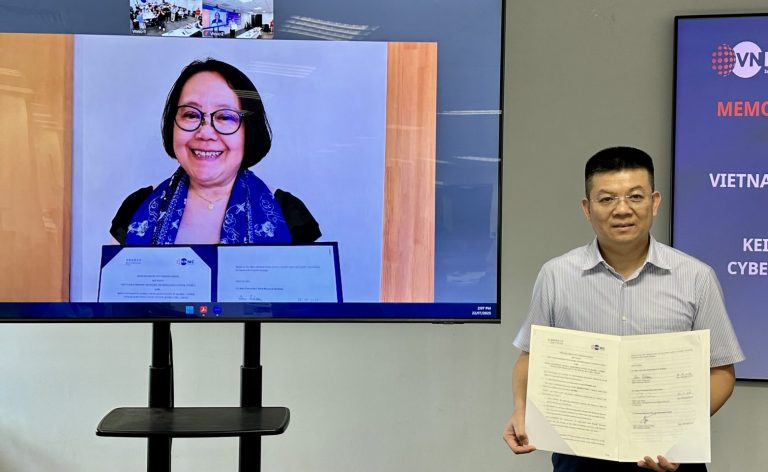
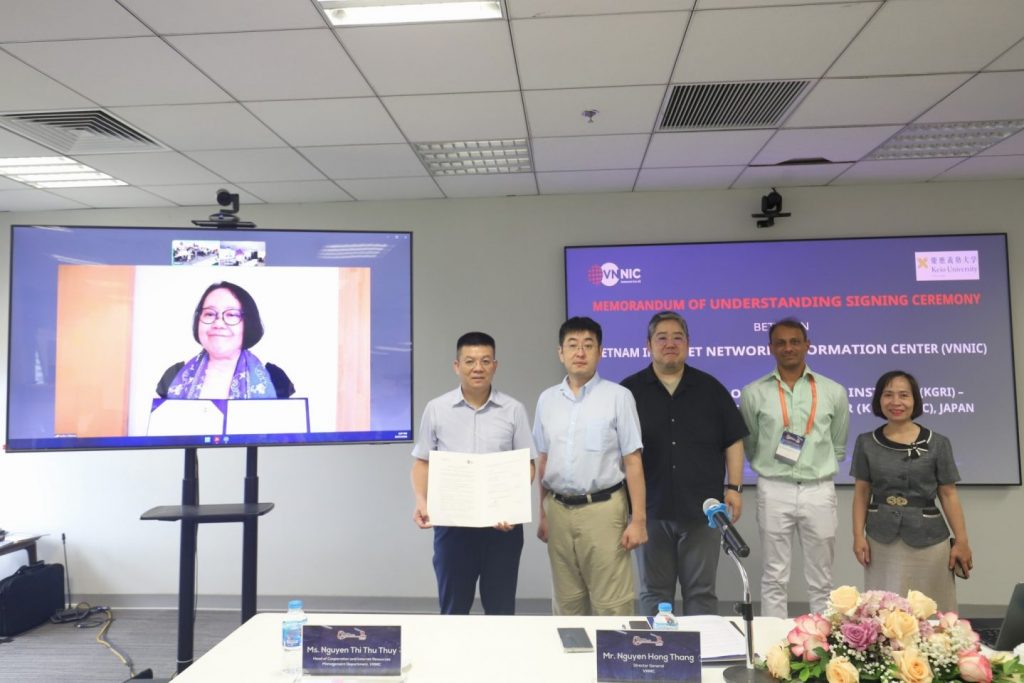
The signing ceremony took place on 22 July 2025 at VNNIC Headquarters in Hanoi, with Professor Keiko Okawa (Keio) joining remotely. Attendees included Nguyen Hong Thang (Director General, VNNIC), Nguyen Thi Thu Thuy (Director, VNNIC), Noriatsu Kudo (Keio/APIE), Marcos Sadao Maekawa (APNIC Foundation), and Sunny Chendi (APNIC).
From the left: Prof. Keiko Okawa (on screen), Nguyen Hong Thang, Noriatsu Kudo, Marcos Sadao Maekawa, Sunny Chendi and Nguyen Thi Thu Thuy.
Over the past year, VNNIC and SOI Asia have jointly organized APIE online learning activities for Vietnamese students, with nearly 100 participants. In addition, several students joined APIE Camps in Indonesia and Japan, gaining hands-on exposure to Internet technologies and global academic environments.
Under this new MoU, VNNIC will serve as a local hub for APIE in Vietnam—supporting workshops, student engagement, and preparation for hosting an APIE Camp in 2026. The three-year agreement sets the stage for expanded cooperation in Internet education and digital development in Vietnam and the Asia Pacific region.
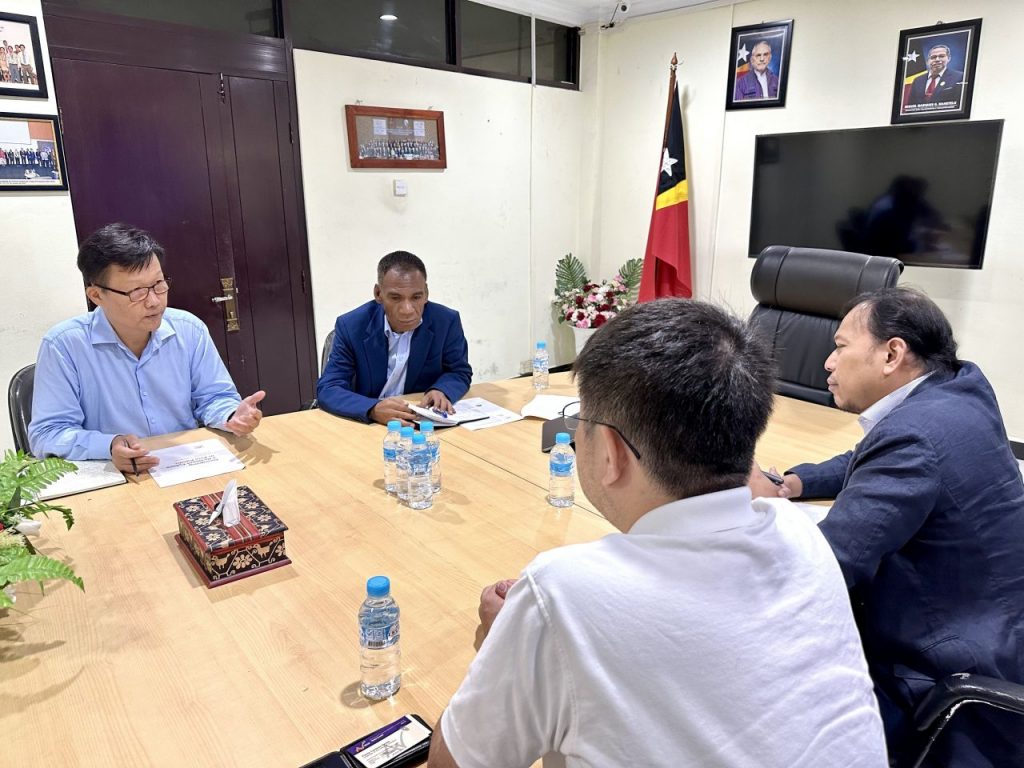
From June 23 to 25, SOI Asia delegation formed by Achmad Husni Thamrin and Noriatsu Kudo (Keio University), and Marcos Sadao Maekawa (APNIC Foundation) visited Timor Leste to deepen collaboration with partners in academia and infrastructure. The trip had three key objectives: signing the agreement for CBR3 (a community-based research project focused on IoT for water source management), facilitating the APIE Kick-start Workshop with students from the National University of Timor-Leste (UNTL), and exploring the future of the country’s national research and education network (NREN) with the National Authority of Communications (ANC).
Signing the CBR3 Agreement with UNTL
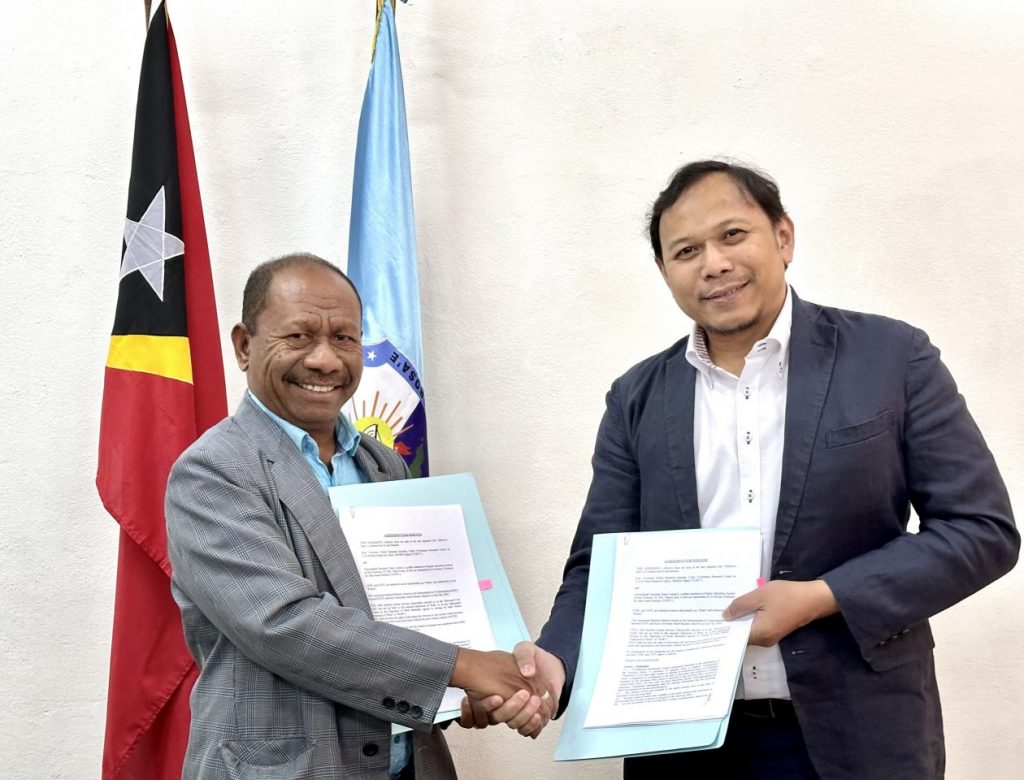
On June 24, SOI Asia and UNTL formalized their partnership in the CBR3 initiative—a project that uses IoT technologies to monitor water sources. This collaboration reflects a mutual commitment to digital transformation, sustainable development, and local capacity building.
During the signing ceremony, the Rector of UNTL expressed strong interest in future projects related to water preservation. The SOI Asia team introduced the broader CBR (Community-based research) initiative and discussed its alignment with the university’s long-term goals.
Kick-starting APIE with Local Students
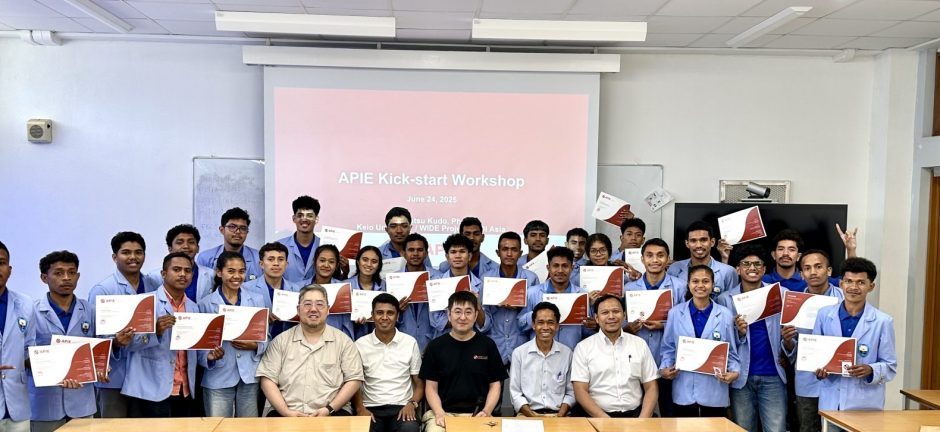
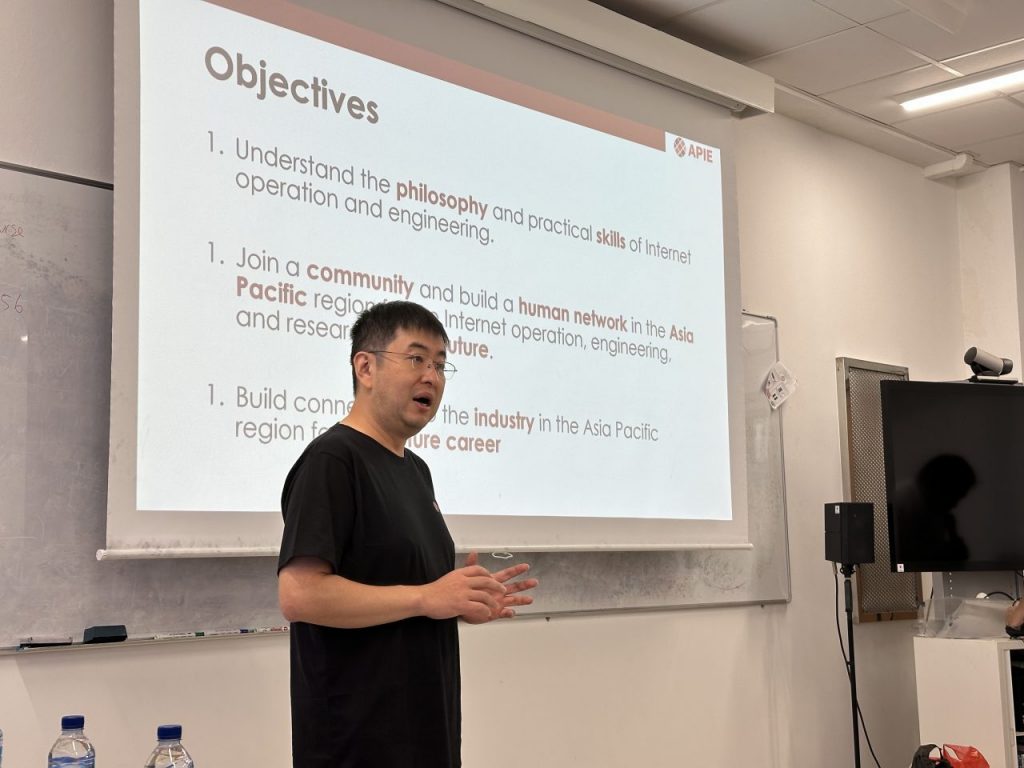
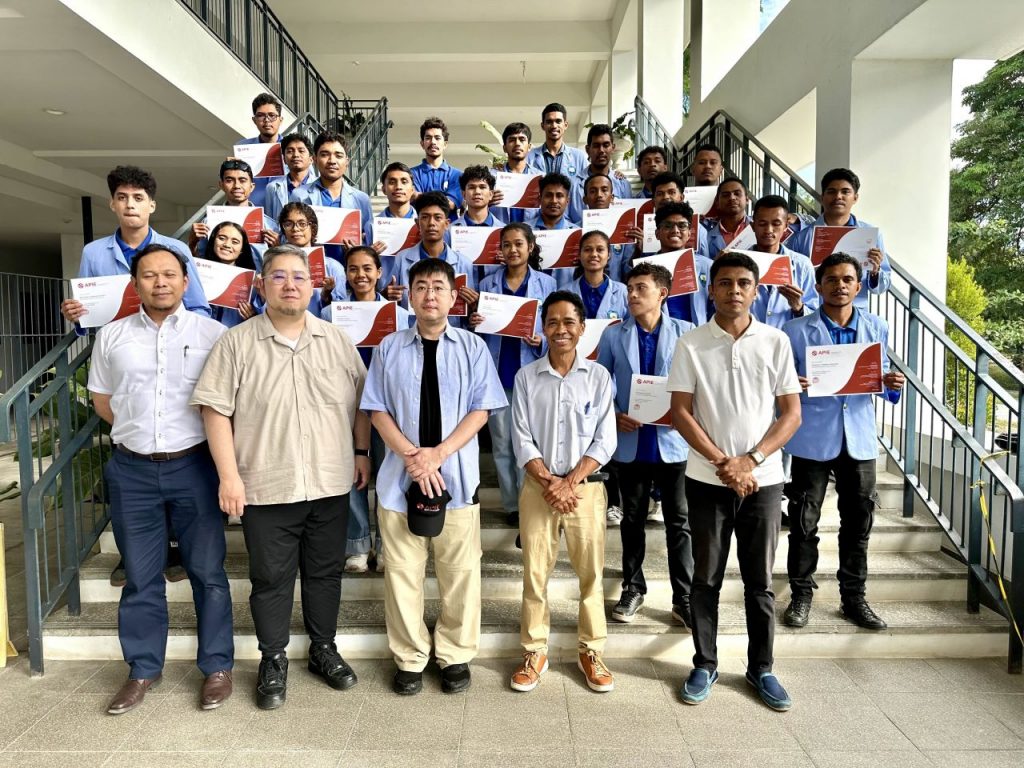
Also on June 24, the team led the first APIE Kick-start Workshop at UNTL’s Hera Campus. Nearly 30 engineering students participated in the session, which introduced them to the APIE learning pathway and provided a hands-on start with SOI Asia’s Identity Provider (IdP), Inxignia, and the FutureLearn course Understanding the Internet.
Despite network challenges on campus, the students showed motivation and curiosity, receiving their first APIE certificates and badges. The workshop concluded with group photos and final remarks. Follow-up activities are planned as the students begin the Core Course in August, aiming to join the next APIE Camp in early 2026.
Building Momentum with the National Authority of Communications
On June 25, the delegation met with the National Communications Authority (ANC) to discuss the development of Timor Leste’s national research and education network, TLREN. ANC Chairman Flávio Cardoso Neves and Director José Lay emphasized their long-standing commitment to improving education connectivity.
The discussion covered potential collaboration with ARENA-PAC. ANC expressed strong interest in working with SOI Asia to strengthen research and education infrastructure nationwide, beginning with a few institutions and expanding gradually.
Looking Ahead
The visit analyzed the readiness of institutions in Timor Leste to engage in regional initiatives and develop local capacity in digital education and research. With the upcoming introduction of alternative options for Internet connectivity and follow-up activities, SOI Asia looks forward to continued collaboration in the economy.
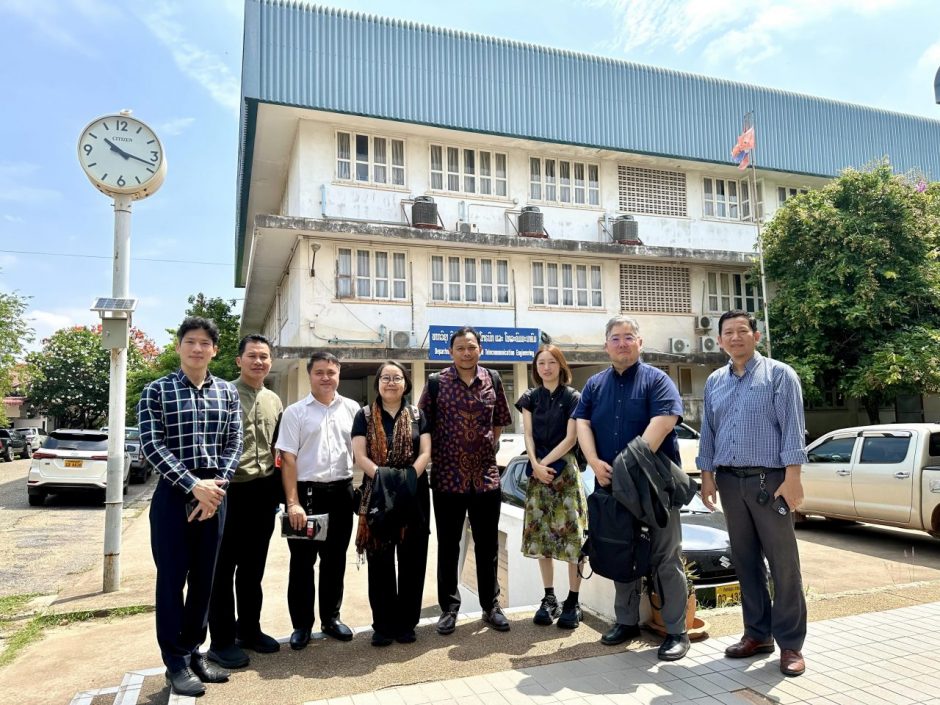
On 13 May 2025, SOI Asia Director Professor Keiko Okawa, Dr. Achmad Husni Thamrin and Dr. Eliko Akashi, and APNIC Foundation Project Officer Dr. Marcos Sadao Maekawa visited the National University of Laos (NUOL) in Vientiane. The primary aim of the visit was to renew and strengthen the long-standing partnership between Keio University and NUOL, which dates back to the early 2000s.
Reconnecting with the NUOL Community
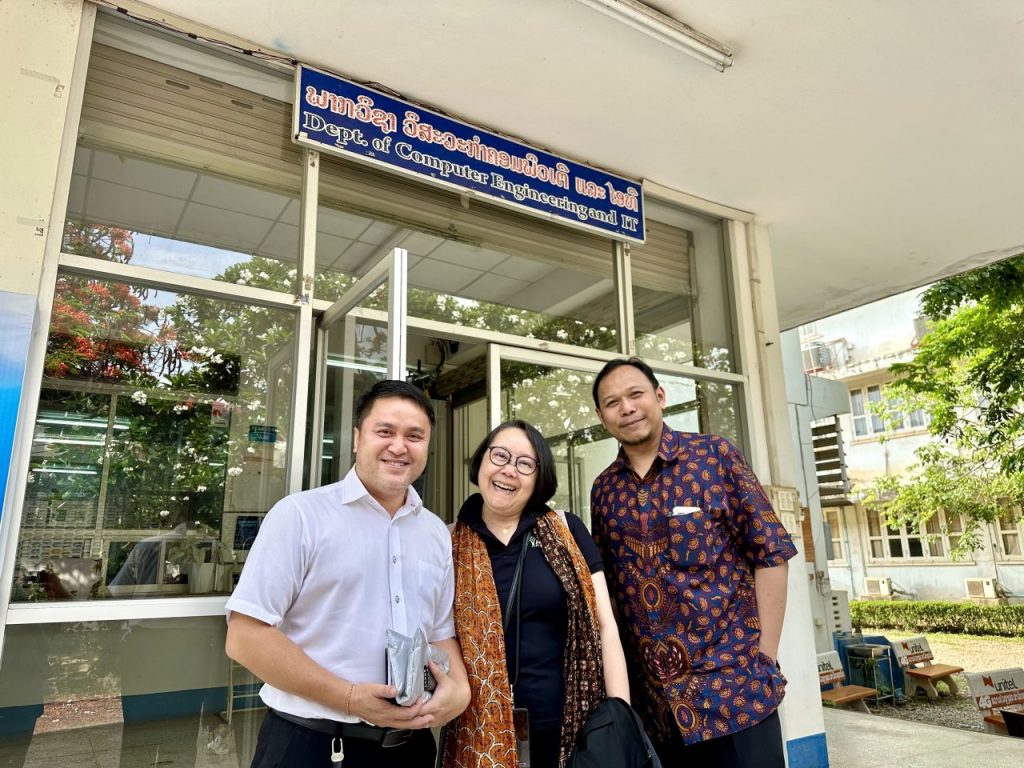
Reunion with former SOI Asia intern Dr. Pathoumvanh (on the left).
The morning session began with a warm reunion with former SOI Asia interns who are now key academic leaders at NUOL—Dr. Khamphao Sisaat, Head of the Research and Academic Services Division, and Dr. Somsanouk Pathoumvanh, Head of the Lao-Japan Technical Training Center. Both had participated in SOI Asia’s operator training internship program at Keio SFC over two decades ago.
The delegation also learned about the current state of network infrastructure in Laos. While satellite connectivity options like Starlink are not yet available, NUOL is connected via land-based infrastructure—mainly through Thailand—which provides a solid foundation for future collaboration. Improving bandwidth was highlighted as a priority for enabling participation in SOI Asia’s online programs, as well as for supporting future collaborative research initiatives. The team also visited the former SOI Asia antenna, which still remains on campus, and toured the NUOL-Japan Center established by JICA for IT and network training.
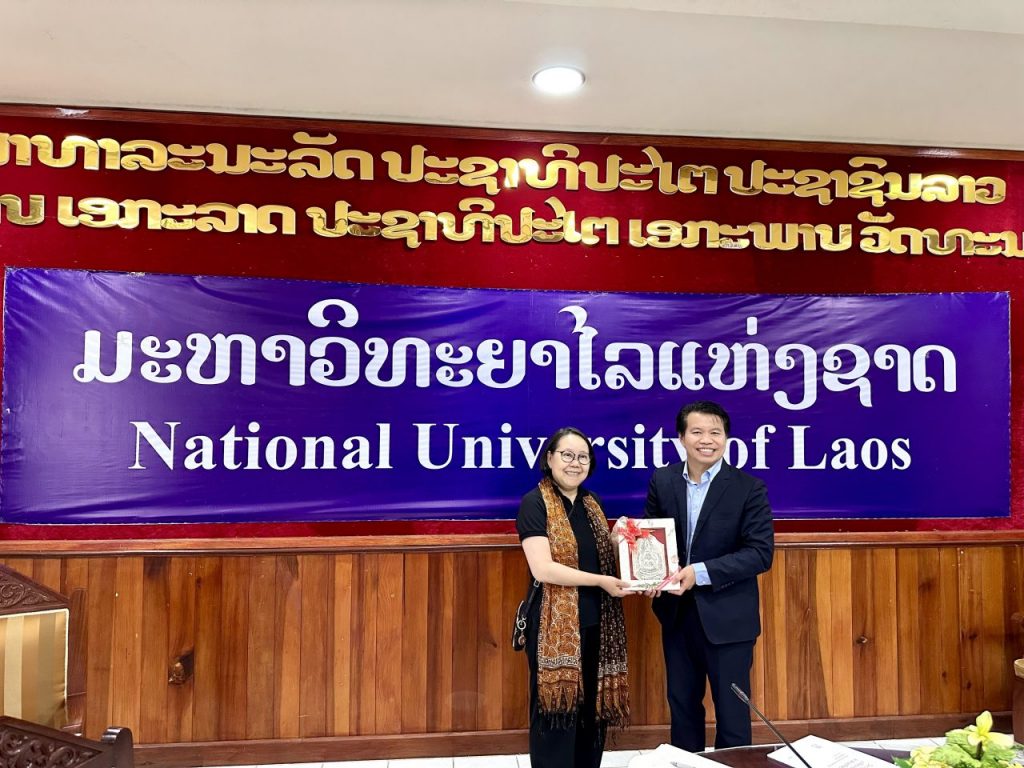
Okawa receives institutional plaque gift from NUOL’s vice-president, Prof. Kyophikavong.
Later in the day, the delegation visited NUOL’s main campus to meet with Vice President Prof. Dr. Phouphet Kyophilavong, who recently took on a leadership role to strengthen NUOL’s IT strategy. With a Ph.D. from Osaka University and experience at Kobe University, Prof. Kyophilavong shared the Lao government’s current direction of promoting digital technologies as a driver for national economic development, transitioning from a traditional focus on agriculture and manufacturing.
During the meeting, SOI Asia representatives reaffirmed the importance of renewing the Memorandum of Understanding (MoU) between Keio University and NUOL to enable student and faculty participation in ongoing and future programs. The session was also attended by representatives from the university’s International Affairs Office, IT Center, and Faculty of Engineering.
Looking Ahead
The visit is expected to accelerate the formalization of a new MoU (Memorandum of Understanding) between Keio University and NUOL, which is already in progress. Once renewed, the agreement is anticipated to open new opportunities for collaboration, including participation of Lao students in programs such as APIE and EBA, and involvement of faculty members in regional research and education initiatives.
SOI Asia team meet the Lao national coordinator for Switch! Project, Mr. Souvannavong (in the center).
After the visit to NUOL, the team also met with Mr. Saysomvang Souvannavong, the National Coordinator of the APNIC Foundation’s SWITCH! program in Laos. Mr. Souvannavong shared an overview of the local Internet landscape and his multi-faceted role in key national initiatives, including LANIC and LANOG. The discussion highlighted opportunities for SOI Asia to support capacity development efforts in the country and provided valuable insights into how SOI Asia’s mission can align with and contribute to Laos’ national Internet development priorities.
The sub-project of SOI Asia called the Digital Humanities Asia/And Science Hub (DHASH) team held an in-person meeting on the 5th of March 2025 at Hiyoshi Raiosh. This was a preliminary meeting ahead of the 59th SOI Asia meeting, which occurred from the 6th to the 8th of March.
The DHASH project is a collaboration project from four universities, respectively from Universitas Syiah Kuala (USK) in Indonesia, Preserving Aceh’s Royal Legacy: A Mixed Reality Digital Archive of Aceh’s Historic Tombstones; Universitas Brawijaya (UB) in Indonesia, 3D Documentation of Malang’s Ancient Temples; Tribhuvan University (TU) in Nepal, Preserving Traditional Nepali Instruments into VST Plugins: The Sound of Sarangi and Keio University in Japan, developing interactive and informative digital archives using Voyager [1] and Omeka [2] for the mentioned cultural heritage.
The team members from Indonesia and Nepal flew into Tokyo the previous day. On the 5th, the team engaged in fruitful and productive discussions about project updates at each site, lessons learned, and future directions.
The DHASH project aims to build an Open Science Infrastructure (OSI) tailored to support the digital humanities movement within the Asia-Pacific region. This initiative goes beyond establishing reliable infrastructural services; it’s about nurturing a community-driven framework that integrates open principles into research methodology and knowledge dissemination. To build a resilient society, we are committed to making scholarly resources more accessible, thereby expanding Internet access to humanities resources, especially in the cultural heritage domains. This will help remove barriers, enabling researchers and the public to engage with the cultural heritage of the Asia-Pacific region through digital archives and exhibits.
During the meeting, each site presented their projects and provided updates on activities since the last report in December of the previous year. Members actively engaged in discussions after each presentation, sharing their challenges and solutions. After a lunch break, Dr. Goki Miyakita, the DHASH project lead, led a workshop introducing the software Voyager, which is used in creating digital archives for the project. The workshop demonstrated how to use Voyager and discussed its advantages in digital archiving.
The meeting then continued in a discussion format, where significant questions were raised: From a community perspective, what are the goals of data sharing? What are the community’s expectations? What is the most significant takeaway from engaging in and conducting this project? These questions are crucial as they help us understand the local community’s perspective and involve them more in the DHASH project, especially since digital humanities in the cultural heritage sector are deeply connected to the community. Without community engagement, there is no culture.
The initial results are promising, but it is vital for us and all project members to remember why we are doing this and the social impact and value the project brings. It’s easy to lose sight of a project’s significance when deeply involved, so focusing on our meaningful goals is crucial. This is also a reminder of our great responsibility in digitising cultural heritage: we are not just providing information but also recreating knowledge and narratives for current and future generations. While aiming to provide comprehensive information, we acknowledge that there are aspects we are still uncovering. As scholars and practitioners, we must recognise our significant responsibilities and admit that there is still much to be done. This project is just the beginning of more significant and impactful research. We, the DHASH team, are eager to see it flourish and attract many more researchers, the public, students, and scholars. We view it as a valuable opportunity for them to develop further and collaborate with us on a larger and more sustainable scale.
The meeting concluded with discussions about future plans, including the need to establish a workable schedule for conducting workshops at various sites and determining the best times for the Keio team to visit and collaborate on these workshops. It was a fruitful meeting, and team members greatly appreciated the opportunity to come together physically and discuss matters in detail. We are very optimistic about the future of the DHASH project.[1] https://smithsonian.github.io/dpo-voyager/introduction/installation/ [2] https://omeka.org/
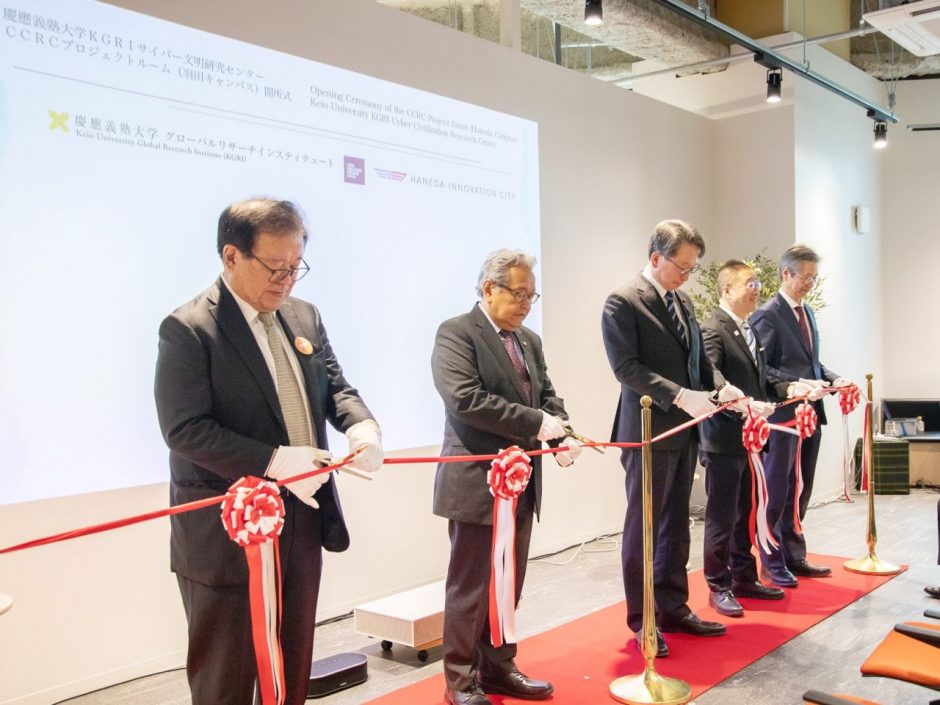
The SOI Asia Haneda Campus has officially opened at Haneda Innovation City, Ota City, Tokyo, marking a new milestone in international research and education collaboration. An opening ceremony celebrated the newest milestone for SOI Asia, reinforcing its commitment to fostering collaboration, education, and research across the Asia Pacific region.
The inauguration ceremony, held on March 8, 2025, welcomed distinguished guests including Mr. Masaaki Taira, Minister for Digital Transformation, H.E. Mr. Heri Akhmadi, Ambassador Extraordinary and Plenipotentiary of the Republic of Indonesia to Japan, and Mr. Akimasa Suzuki, Mayor of Ota City. The event featured a keynote by Professor Jun Murai, emphasizing the importance of high-speed research networks in advancing global academic partnerships.
Prof. Jun Murai introduces SOI Asia and the research and education networks in Asia Pacific.
As the headquarters of SOI Asia, the Haneda Campus will play a pivotal role in fostering cross-border collaboration among universities and research institutions in the Asia-Pacific region.
On March 4, 2025, during the opening ceremony of APAN 59 held at Pacifico Yokohama (Yokohama, Japan), SOI Asia and APAN (Asia Pacific Advanced Network) signed a Memorandum of Understanding (MoU) to enhance cooperation and collaboration between the two organizations. This strategic partnership aims to foster knowledge exchange, support capacity-building initiatives, and strengthen the research and education community across Asia.
Keiko Okawa, professor at Keio University and director of SOI Asia, delivered a keynote speech during the opening ceremony, highlighting the impactful trajectory of SOI Asia and its contributions to the education and research community in Asia.
Professor Keiko Okawa (Keio University, SOI Asia) delivers keynote speech at APAN 59 (Yokohama, Japan)
SOI Asia has played a crucial role in connecting higher education institutions, particularly in Southeast and South Asia, facilitating collaboration and sharing valuable resources among academic and research communities. Okawa also stressed the importance of human resources development and community-based efforts as essential pillars to build, maintain, and engage communities in a sustainable way.
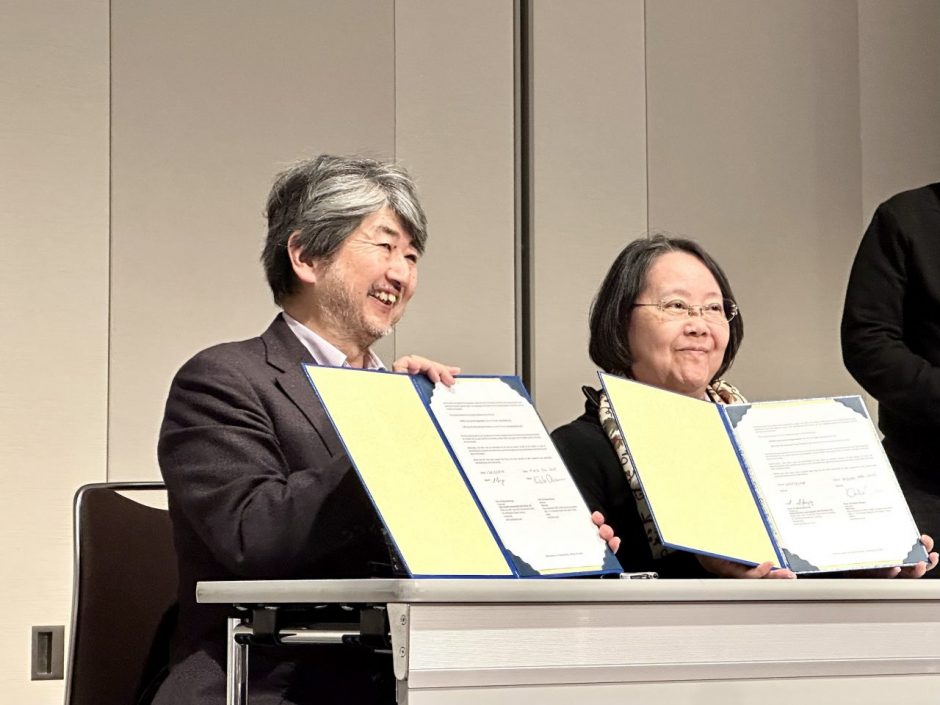
At the end of the session, SOI Asia’s Okawa and Shinji Shimojo, chairman of APAN board of directors and a professor at Aomori University, signed the MoU. The agreement outlines key areas of cooperation, including the exchange of technical knowledge, documentation, and best practices, as well as collaboration in capacity-building initiatives such as workshops, webinars, and other events.
This partnership is expected to bring significant benefits to the academic and research communities in Asia, promoting cross-border collaboration, strengthening the presence and development of RENs and enhancing opportunities for knowledge sharing and professional development.
At APAN 59, SOI Asia will also conduct a workshop session on day 5 to introduce Community Research Framework. Called Community Based Research or simply CBR, this scheme was designed to promote inter-university collaborative research activities and students’ involvement in the research activities.
Keio University Global Research Institute (KGRI)—Cyber Civilization Research Center (CCRC), home of SOI Asia, has signed a landmark Memorandum of Understanding (MoU) with UNESCO to promote a shared vision of mobilizing scientific and technological knowledge through the Internet. This joint initiative is titled Mobilizing Science Knowledge for Sustainable Development in East Asia and wider Asia-Pacific through ICT and Open Science.
This MoU establishes a framework for collaboration where SOI Asia offers its infrastructure and technical resources to support higher education advancement through Internet technology and expand access to knowledge across the region. The goals of this initiative are:
Strengthen scientific and technical literacy by bringing together regional universities to broaden educational reach, and strengthen the role of ICT and open science in sustainable development.
Enhance education processes and expand access to materials in higher education across the region.
Introduce innovations and open science principles into teaching science, technology, and engineering to leverage scientific knowledge.
Increase public access to knowledge by fostering connectivity among educators and researchers, and developing human resources across Asia and the Pacific through open science initiatives.
This MoU builds on a collaboration between Keio University, through SOI Asia, and UNESCO that officially started with a previous MoU signed in 2008. The partnership represents a deepened commitment to combining resources and expertise to address global challenges through education and scientific innovation. SOI Asia and UNESCO aim to create a more sustainable future for the Asia-Pacific region by leveraging resources and expertise, driving scientific knowledge, and amplifying learning opportunities.
For more details about UNESCO’s Open Science initiative and the Cyber Civilization Research Center, visit: