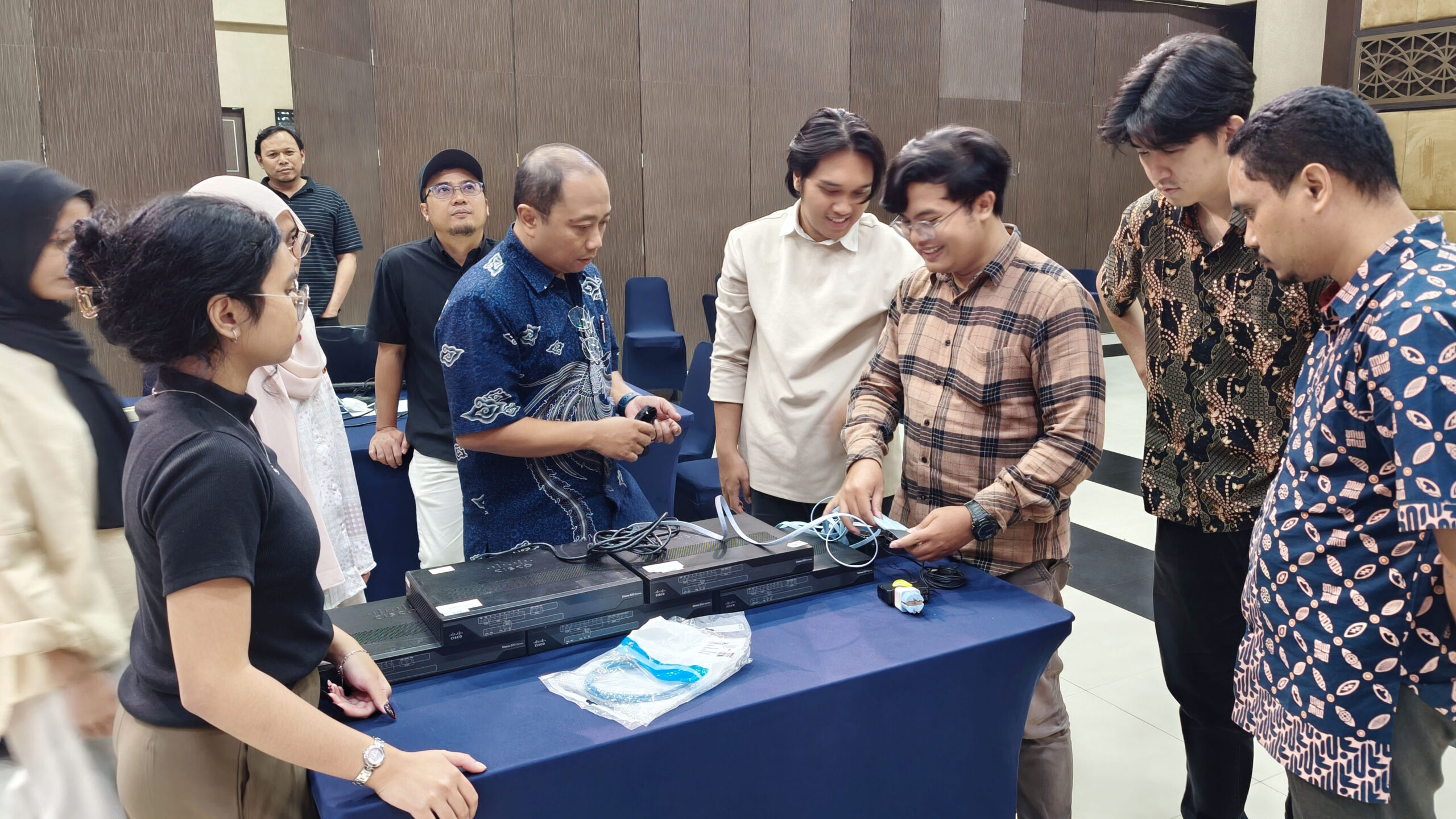
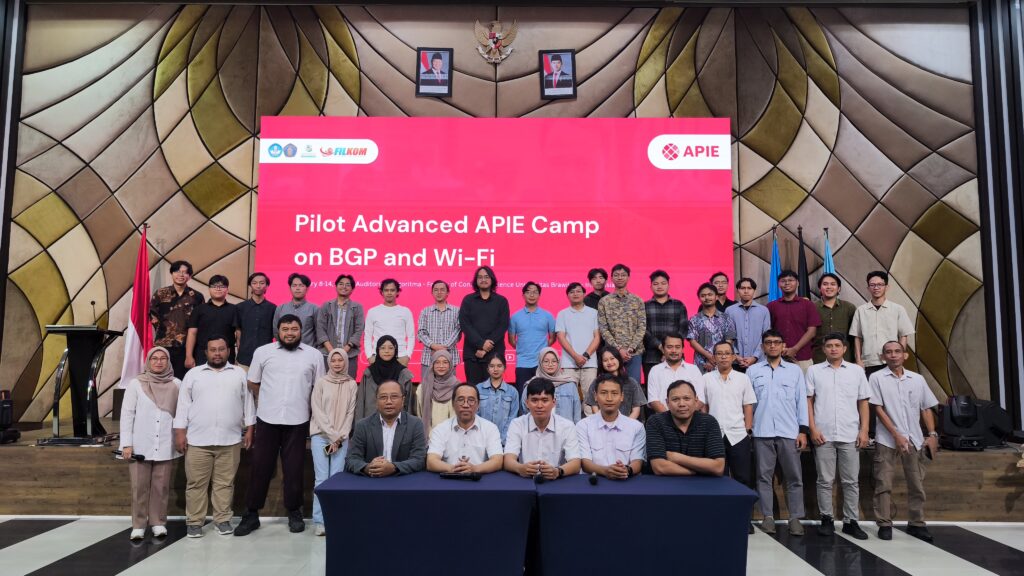
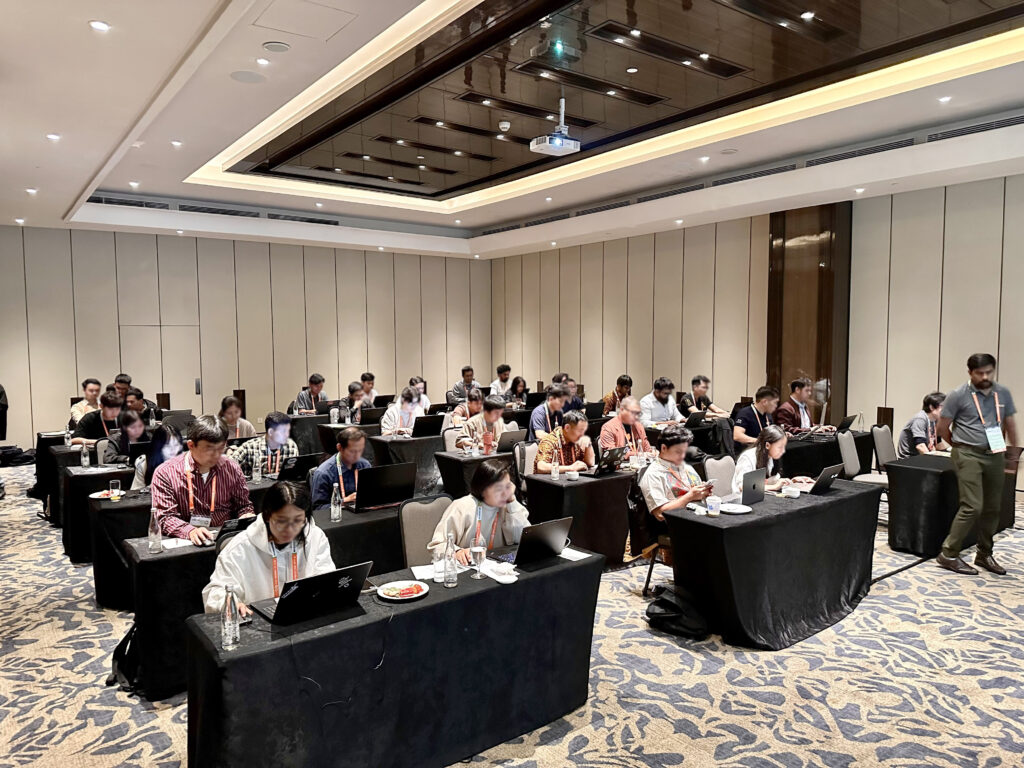
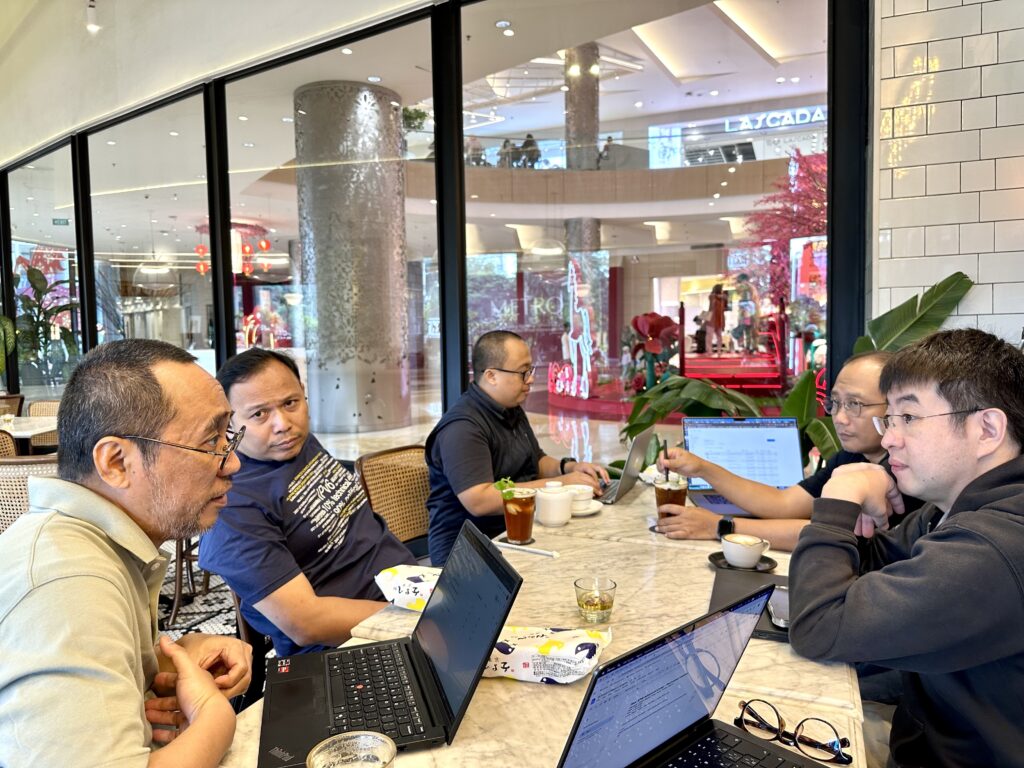
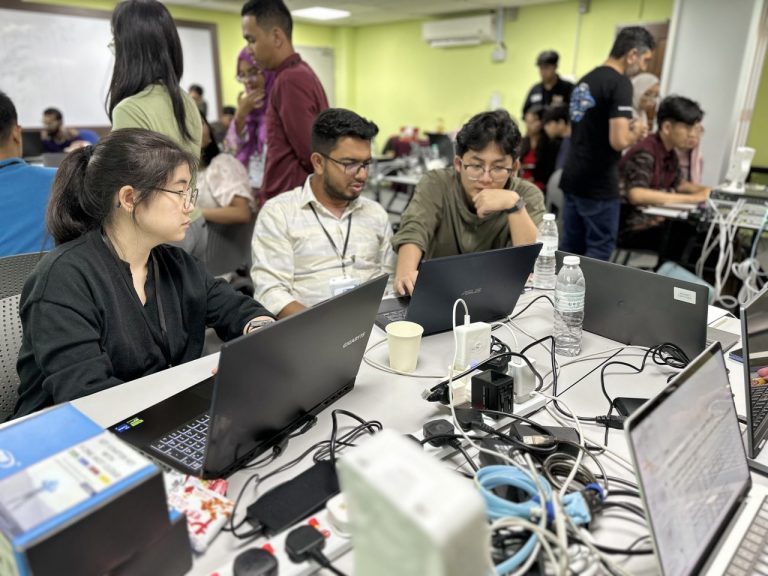
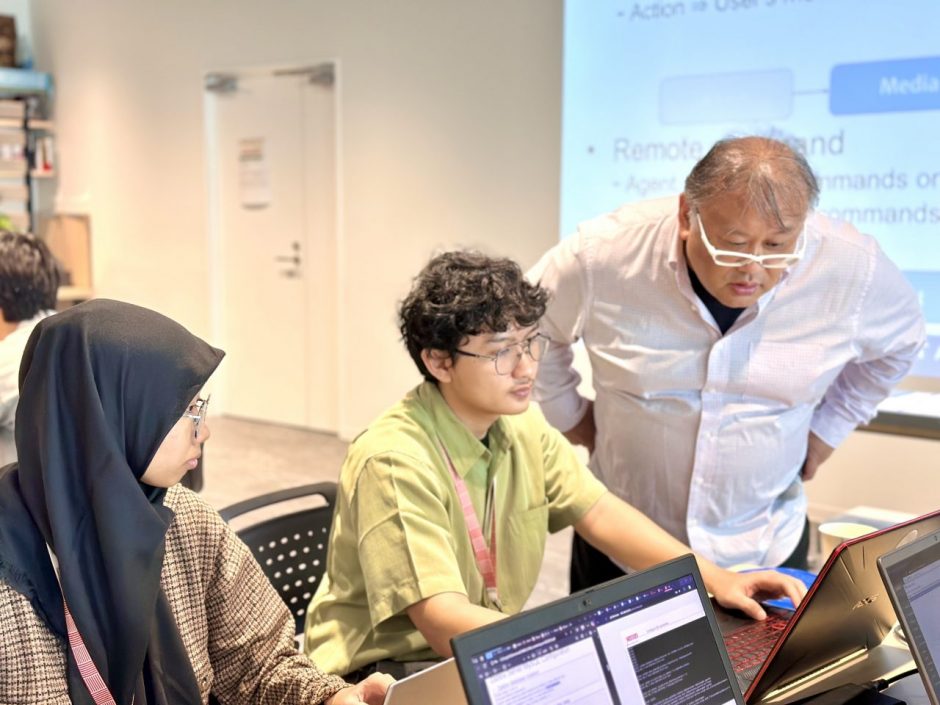
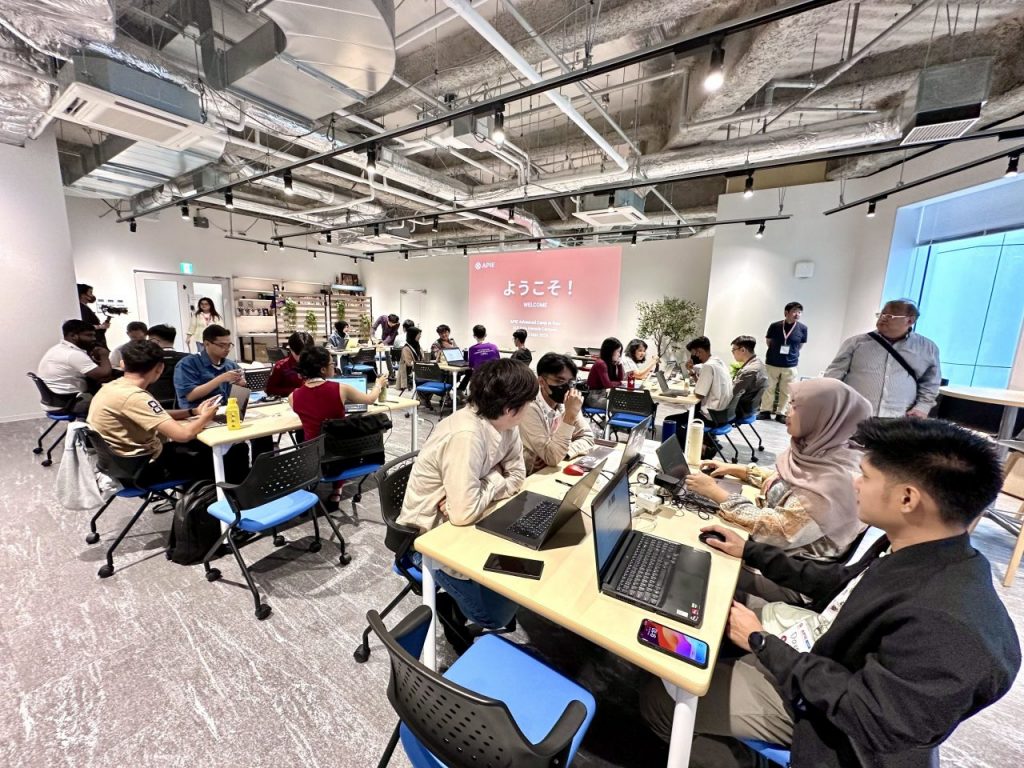
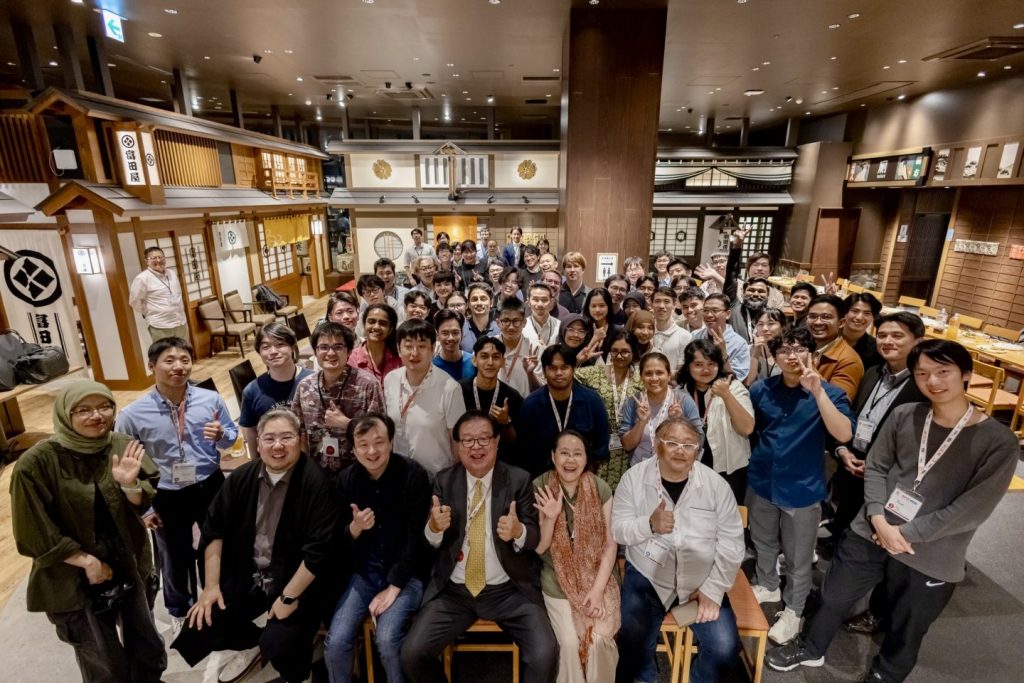
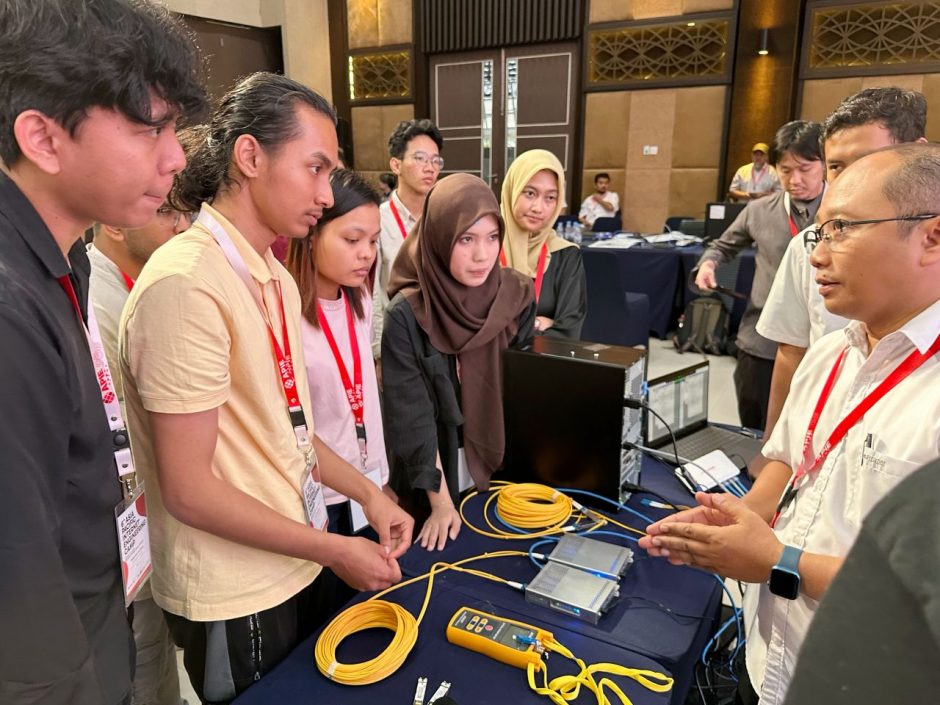
In January 2026, Universitas Brawijaya (UB) hosted a pilot edition of the APIE Advanced Camp in Malang, Indonesia, structured around two advanced technical tracks: BGP and Wi-Fi engineering.
The first phase (January 8–10) focused on Border Gateway Protocol (BGP), reinforcing a critical component of Internet infrastructure. Participants engaged in advanced iBGP/eBGP deployments, carrier-grade troubleshooting, and data center routing scenarios using Mininet-IPLab. Group presentations required teams to present and defend their routing policies and design choices.
The second phase (January 12–14) shifted toward wireless networking, where participants conducted site surveys, analyzed RF environments, and deployed Wi-Fi Access Points in practical configurations, concluding with design defense presentations.
By strengthening the BGP pathway and integrating hands-on wireless deployment, this pilot Advanced Camp expands the depth and coherence of APIE’s learning trajectory. It also demonstrates UB’s leadership in shaping advanced technical capacity-building initiatives within the SOI Asia network.
The program was implemented through collaboration among UB, SOI Asia, Keio University, APNIC, and local technical partners.
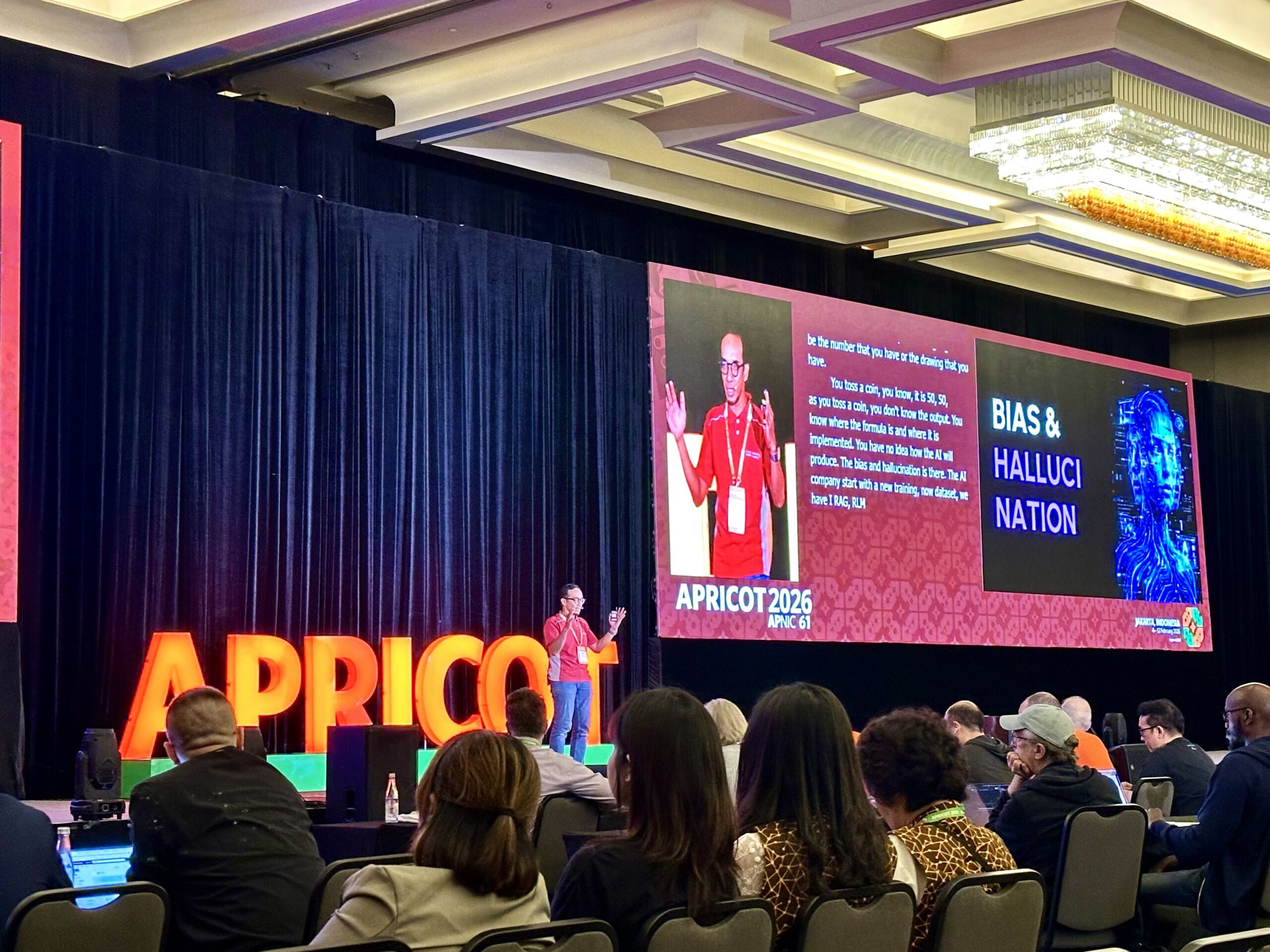
SOI Asia participated in APRICOT 2026 in Jakarta, engaging across technical workshops, regional coordination meetings, and community exchanges throughout the conference.
Inxignia at the Masterclasses
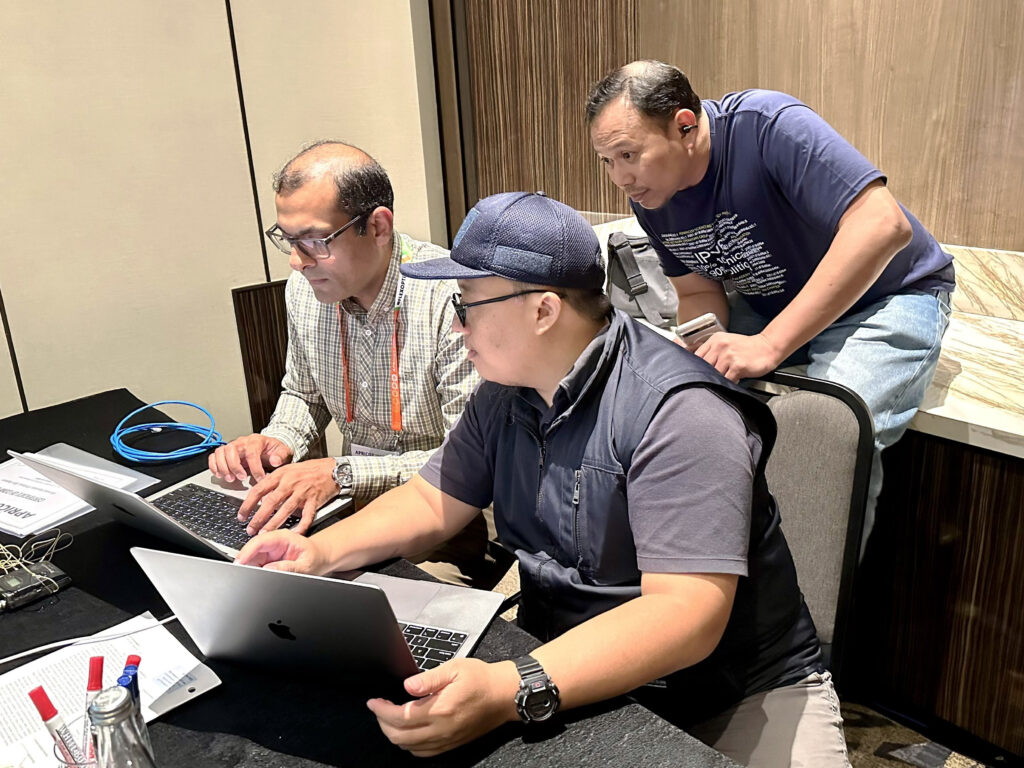
APRICOT masterclass and Inxignia teams
The week began with the introduction of Inxignia digital badges at the BGP Masterclasses. For the first time, the SOI Asia micro-credential platform was adopted beyond its own network, issuing verifiable badges to participants who successfully completed technical tasks. The initiative highlighted growing interest in recognizing demonstrated skills in community-based learning environments.
Regional Coordination at the AP* Meeting
At the AP* Meeting, regional stakeholders reflected on infrastructure deployment, capacity building, and sponsorship alignment across the ecosystem. Discussions emphasized the importance of measuring long-term impact beyond technical implementation and improving coordination and transparency in community support mechanisms. The exchange reflected a maturing regional environment focused on accountability and sustained engagement.
Advancing Technical Depth: APIE Advanced Camps
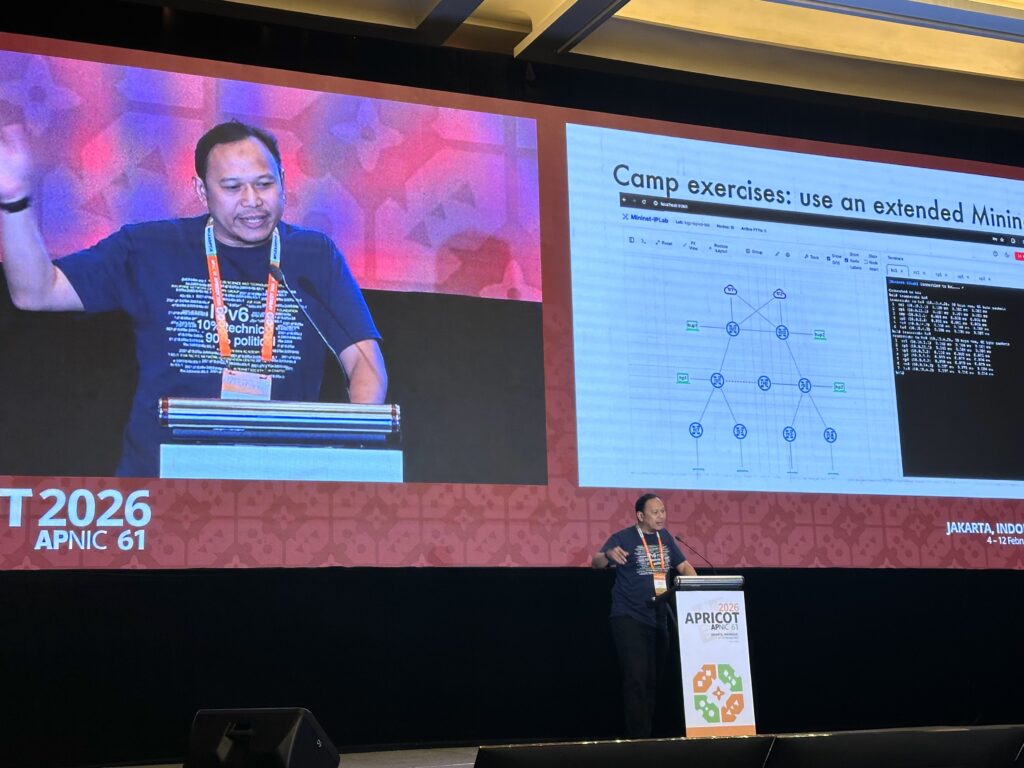
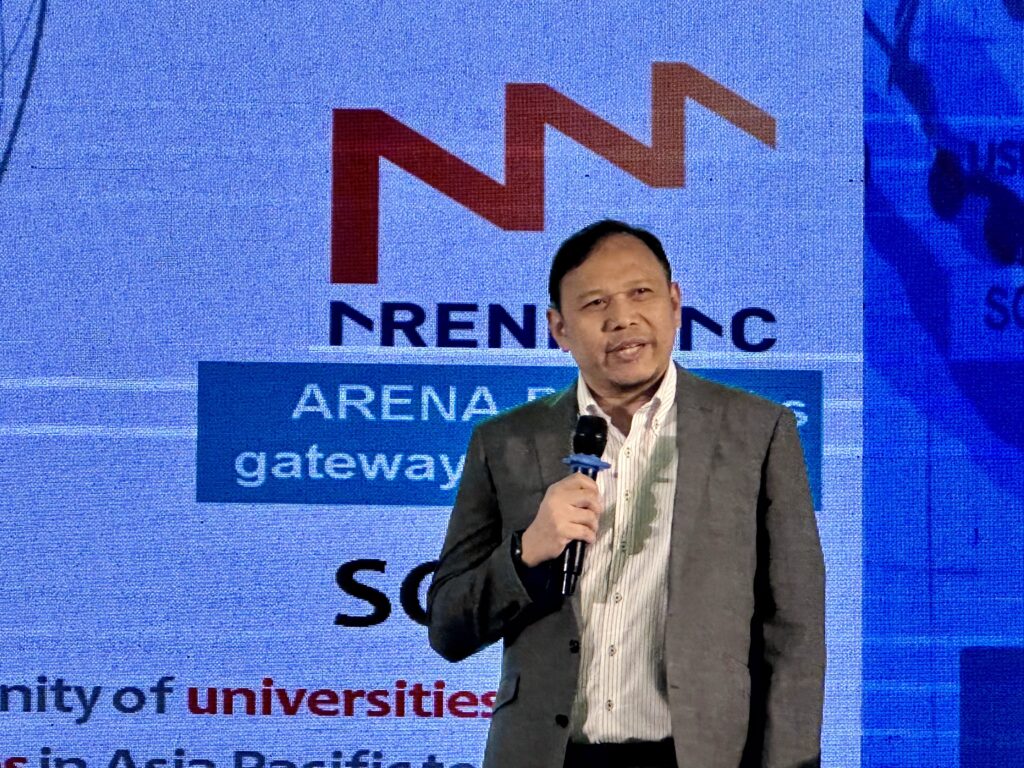
UB and SOI Asia teams prepare for the talk. Husni (SOI Asia) delivered on the main stage.
During a lightning talk session, the new APIE Advanced Camps on BGP and Wi-Fi were introduced. Co-designed with Universitas Brawijaya and piloted earlier this year, the advanced camps represent a deeper technical track within the APIE learning pathway, responding to demand for higher-level specialization.
Community Conversations and Collaboration
Beyond the scheduled sessions, SOI Asia met with partners, institutions, and technical community members from across the region. Conversations were marked by positive and constructive feedback on APIE and Inxignia initiatives, along with interest in future collaboration. Exchanges with peers navigating similar challenges — from program sustainability to community engagement — provided valuable insights and shared learning.
From structured sessions to informal discussions, APRICOT 2026 once again demonstrated its role as a gathering space where technical expertise, educational innovation, and regional coordination intersect.
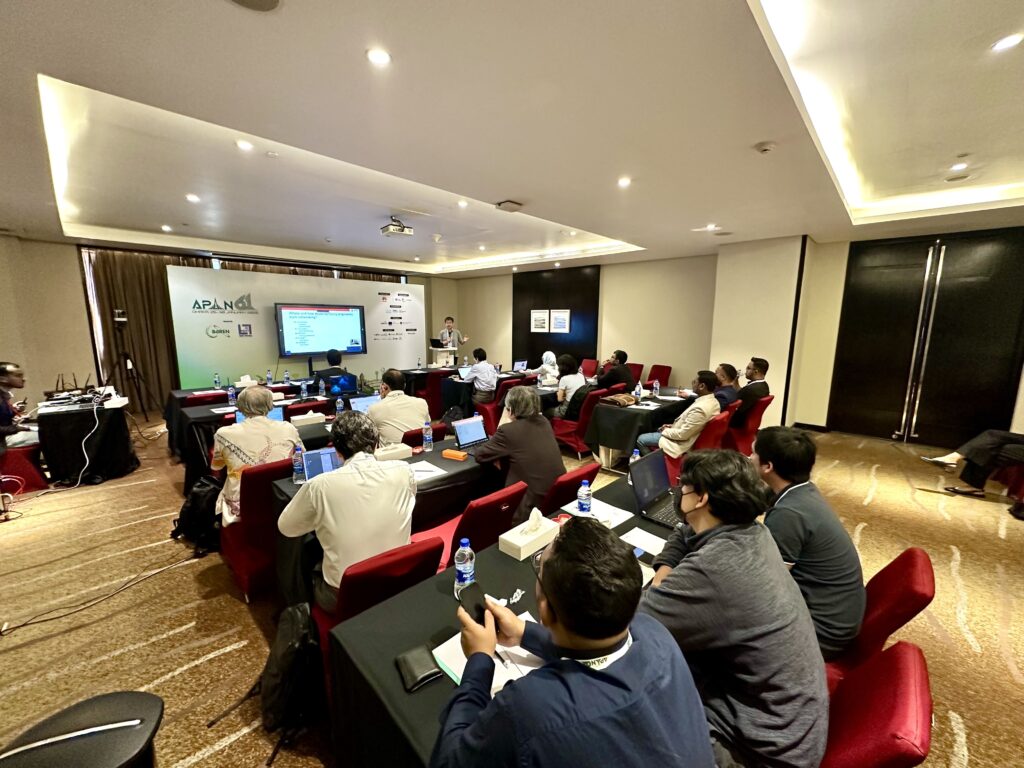
SOI Asia participated in APAN 61, held in Dhaka, Bangladesh, contributing to regional discussions on Internet education, capacity building, and collaboration across Asia and the Pacific. This participation followed the strengthening of SOI Asia’s relationship with the APAN community after the MoU signed at APAN 59 in Yokohama, and reflected continued engagement through joint sessions and partner collaboration.
SOI Asia–led session on learning pathways
SOI Asia led a dedicated session titled Designing Learning Pathways for the Next Generation Internet Engineers, facilitated by Noriatsu Kudo, lead of the APIE program. The session highlighted SOI Asia’s approach to capacity building through collaboration among universities, research and education networks, industry, and learning communities.
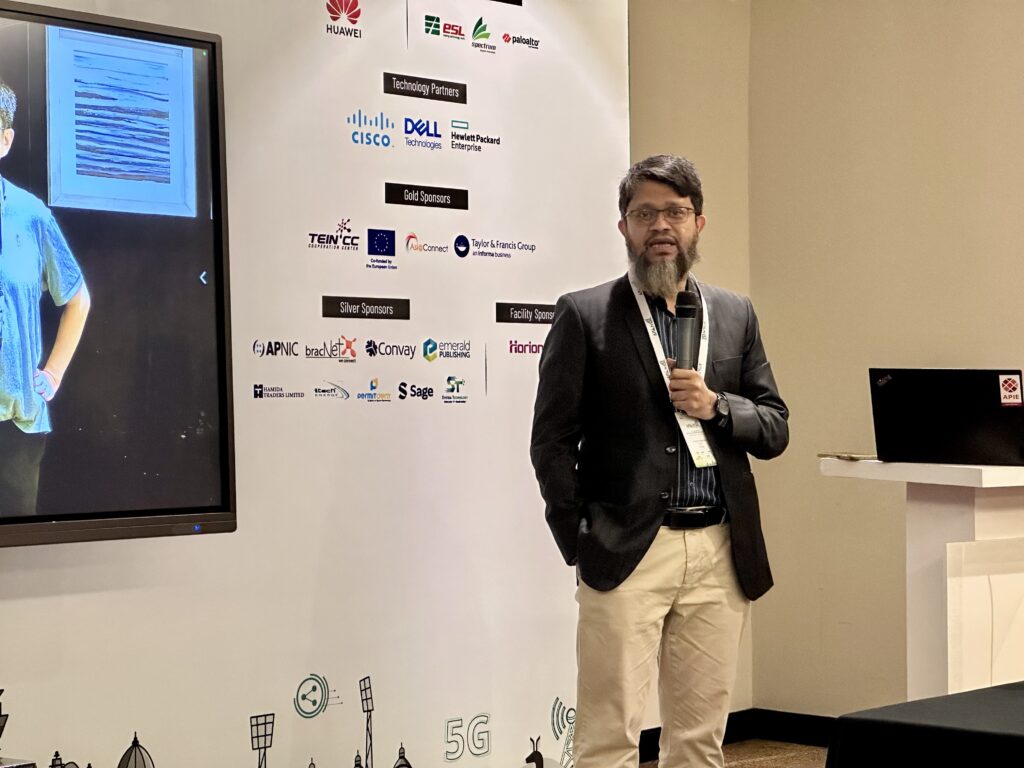
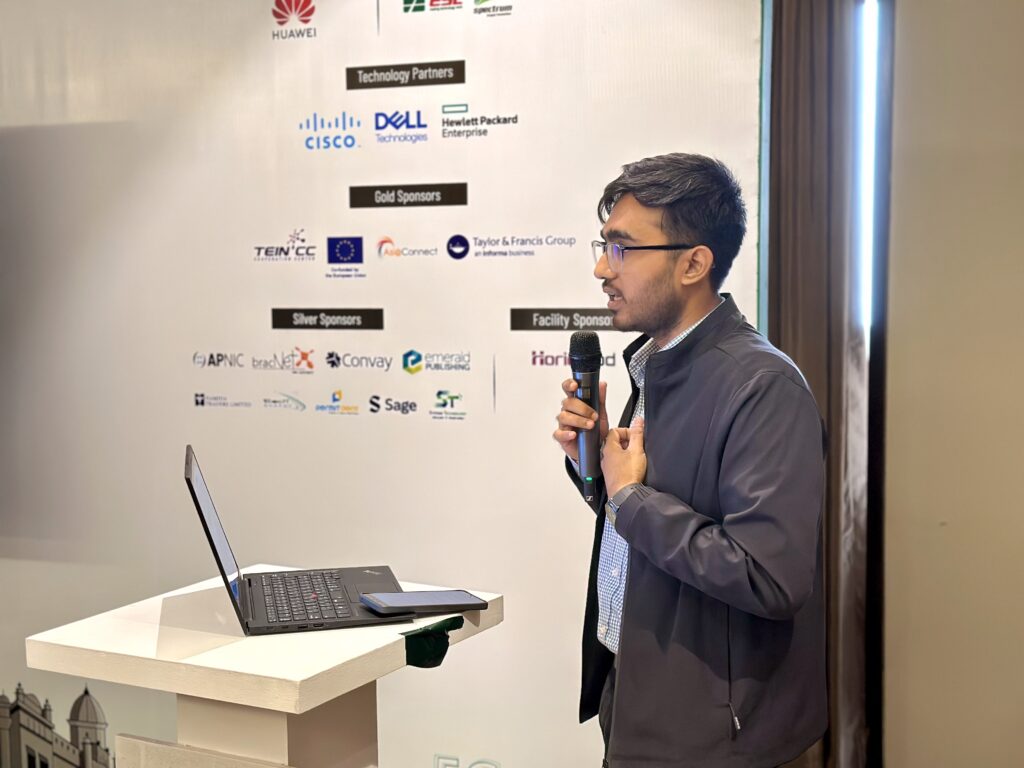
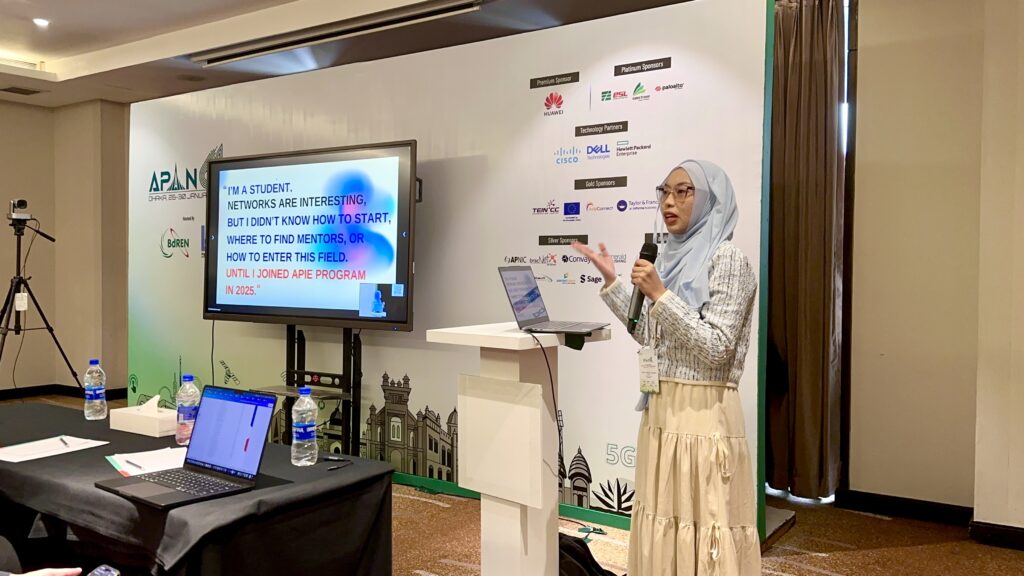
Learner perspectives were provided by Arnab Nath (BUET) and Syifani Adilllah Salsabila (Universitas Brawijaya), both APIE alumni. Syifani also participated in APAN 61 as a fellow, bringing a learner-centred perspective grounded in both academic study and regional community engagement. They reflected on how APIE enabled cross-border peer learning, engagement with communities and industry, and access to opportunities beyond formal academic programs.
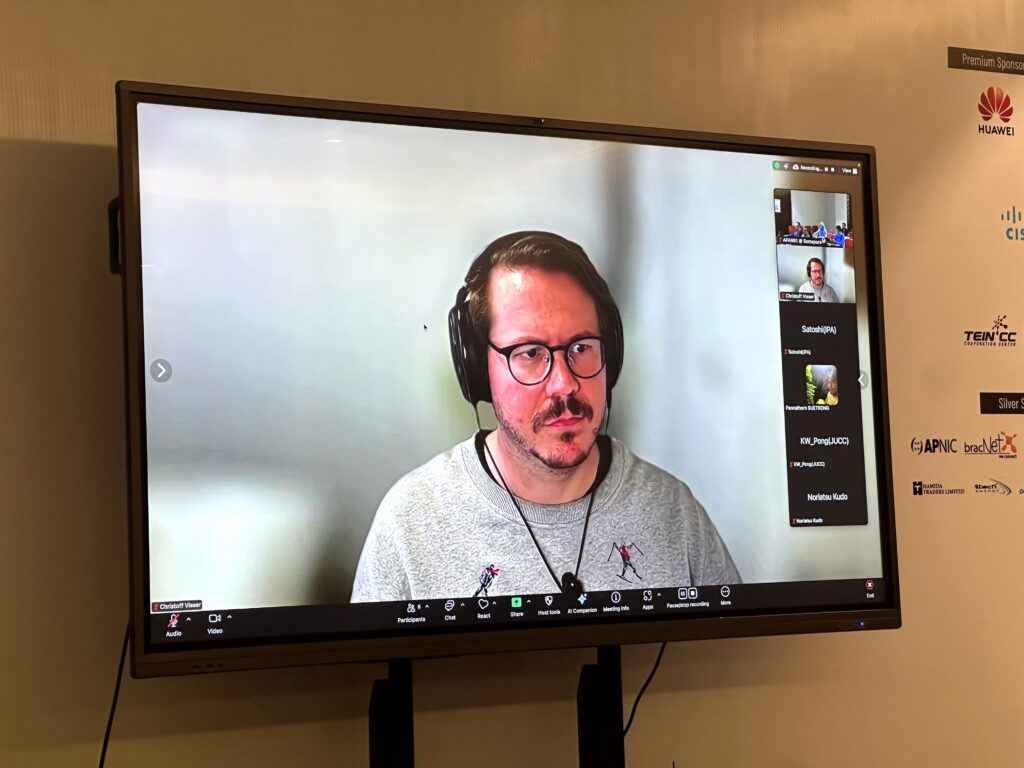
From the industry perspective, Christoff Visser (IIJ – Internet Initiative Japan) shared how industry partners are contributing to the development of new curriculum components for the APIE Advanced Camp, alongside efforts to promote internship opportunities that support learners’ transition from training to practice.
The session concluded with a focused exchange on learner progression and mobility, including how universities, communities, and shared digital credentials can support smoother transitions across programs and learning pathways.
Keynote contribution at the Closing Ceremony
At the APAN 61 Closing Ceremony, Achmad Husni Thamrin represented SOI Asia with a keynote on digital credentials. The presentation introduced SOI Asia’s work on portable digital credentials and discussed how shared recognition mechanisms can support learner mobility, skills visibility, and progression across programs, institutions, and communities.
Partner and community engagements
APAN 61 also provided opportunities to reconnect with SOI Asia partners and collaborators, including Bani Lara and Franz de Leon (ASTI), and Karma Jamyang (DrukREN). These exchanges focused on ongoing collaboration and future directions related to research and education networking in the region.
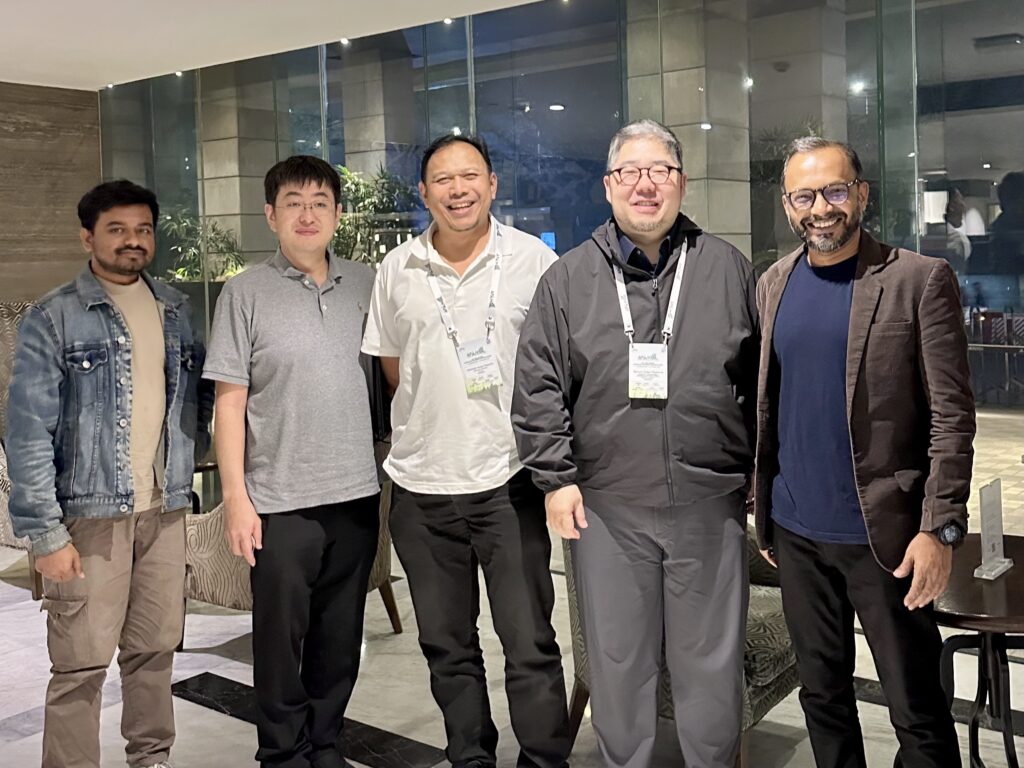
Dihan (on the left) and Shamim (on the right), from The Team Phoenix.On the left, Shankar Karuppayah, from BitRanger.
SOI Asia also met with Shankar Karuppayah, founder of BitRanger and an ISIF Grant recipient from Malaysia, to discuss community-driven initiatives and the longer-term impact of regional learning programs. In addition, discussions with Shamim Reza and Dihan Islam Olif from The Team Phoenix, another ISIF Grant recipient in Bangladesh, covered updates on cybersecurity community activities, university engagement, mentorship, and fellowship initiatives.
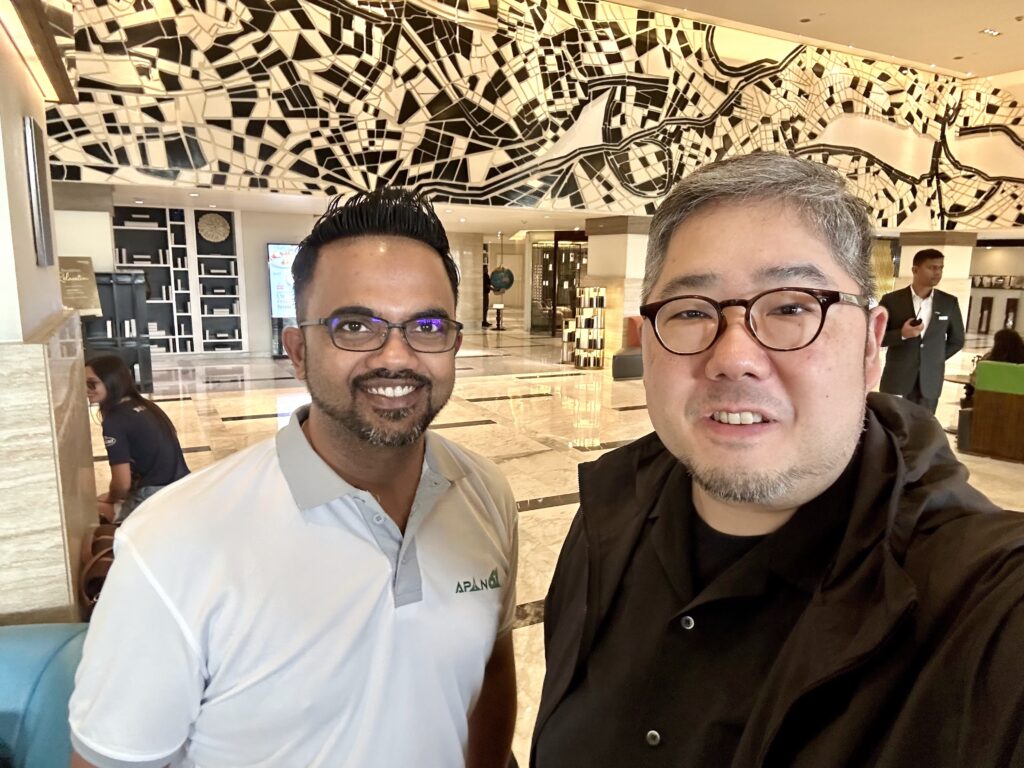
The team also caught up with Thy Boskovic (APNIC) and Jamie Gillespie, a cybersecurity specialist who has previously contributed to the APIE e-Workshop series as a lecturer, exchanging views on community engagement and capacity-building efforts in the region.
Through its participation in APAN 61, SOI Asia reinforced its engagement with the APAN community and regional partners, and reaffirmed its commitment to supporting inclusive, connected, and sustainable learning pathways for Internet education and practice across Asia and the Pacific.
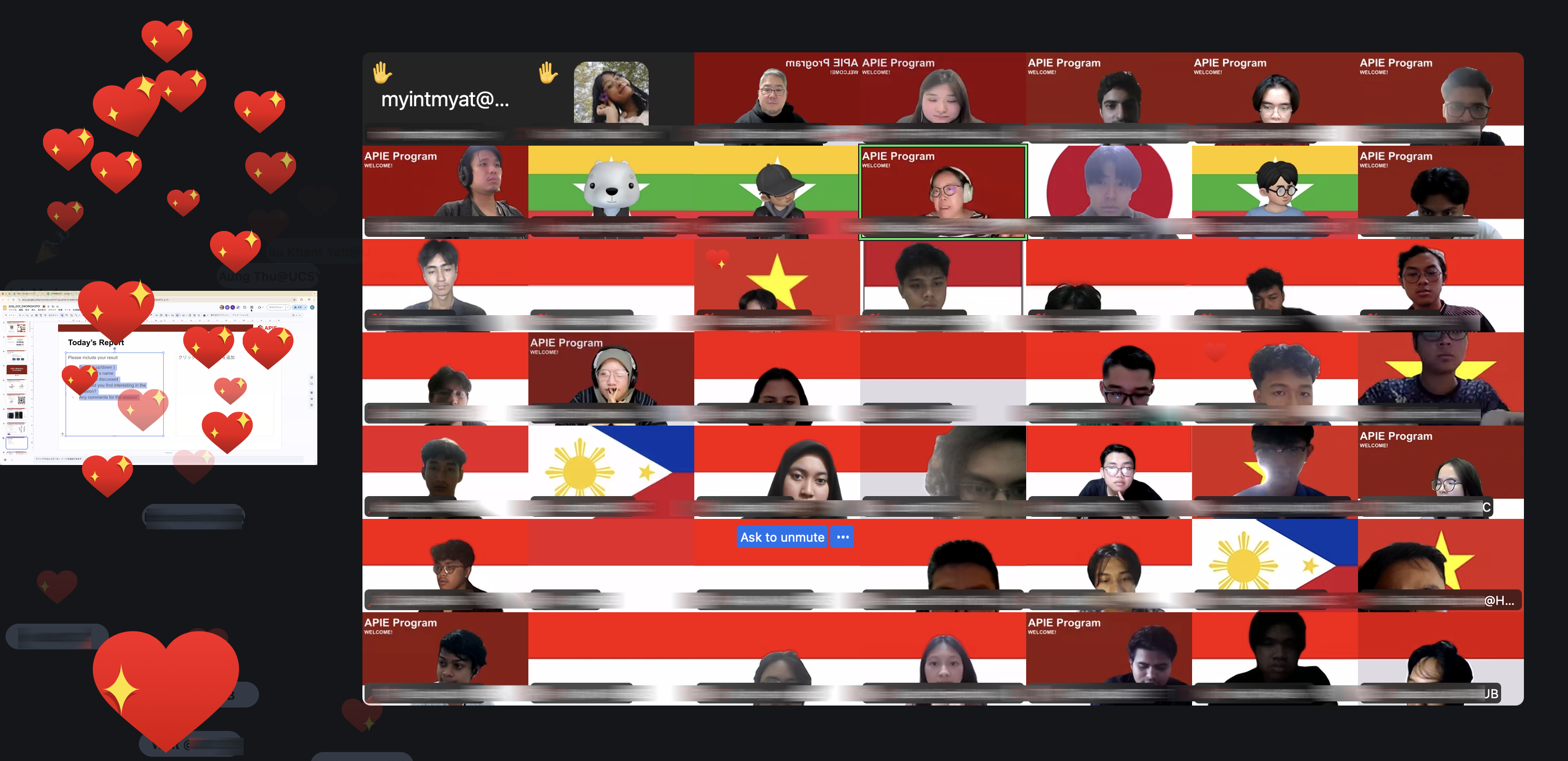
On 31 January, APIE Core Course Batch 8 officially kicked off with its first e-Workshop, bringing together more than 390 participants from 18 universities across 9 economies — Bangladesh, Indonesia, Japan, Laos, Myanmar, Malaysia, Nepal, the Philippines, and Vietnam.
The session was hosted by Keiko Okawa, Director of SOI Asia, and supported by 12 teaching assistants, all APIE alumni, alongside the SOI Asia and APNIC Foundation teams. The workshop invited participants to reflect on their own Internet environments — from connection speed and latency to physical and technical conditions — setting the tone for the course ahead.
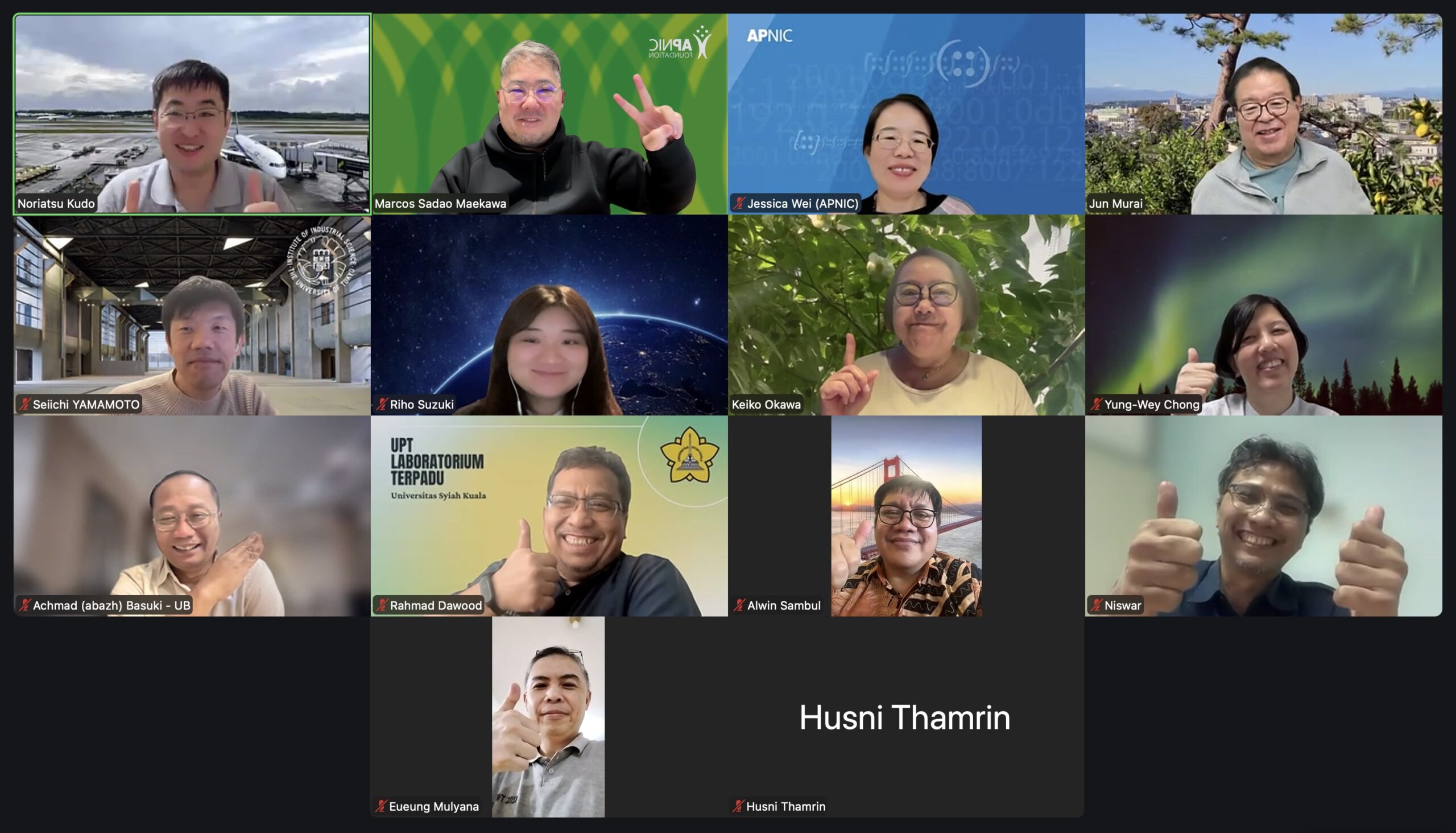
On January 14, the APIE Advisory and Curriculum Committees met to review progress and discuss the next phase of the APIE program.
The discussion reflected how the program continues to mature — from stronger regional collaborations and community-based activities, to the growing importance of APIE alumni who return in different roles, including as teaching assistants and NOC team members, supporting learners and sustaining learning environments.
Looking ahead, committee members exchanged views on assessment approaches, internship programs, alumni engagement, and the newly proposed model for APIE Camps. Topics included trainer training, minimum infrastructure requirements, and alignment with host university academic calendars.
The meeting provided a valuable opportunity to step back from delivery and focus on how APIE can scale thoughtfully, while preserving quality, international collaboration, and long-term impact across the Asia-Pacific.
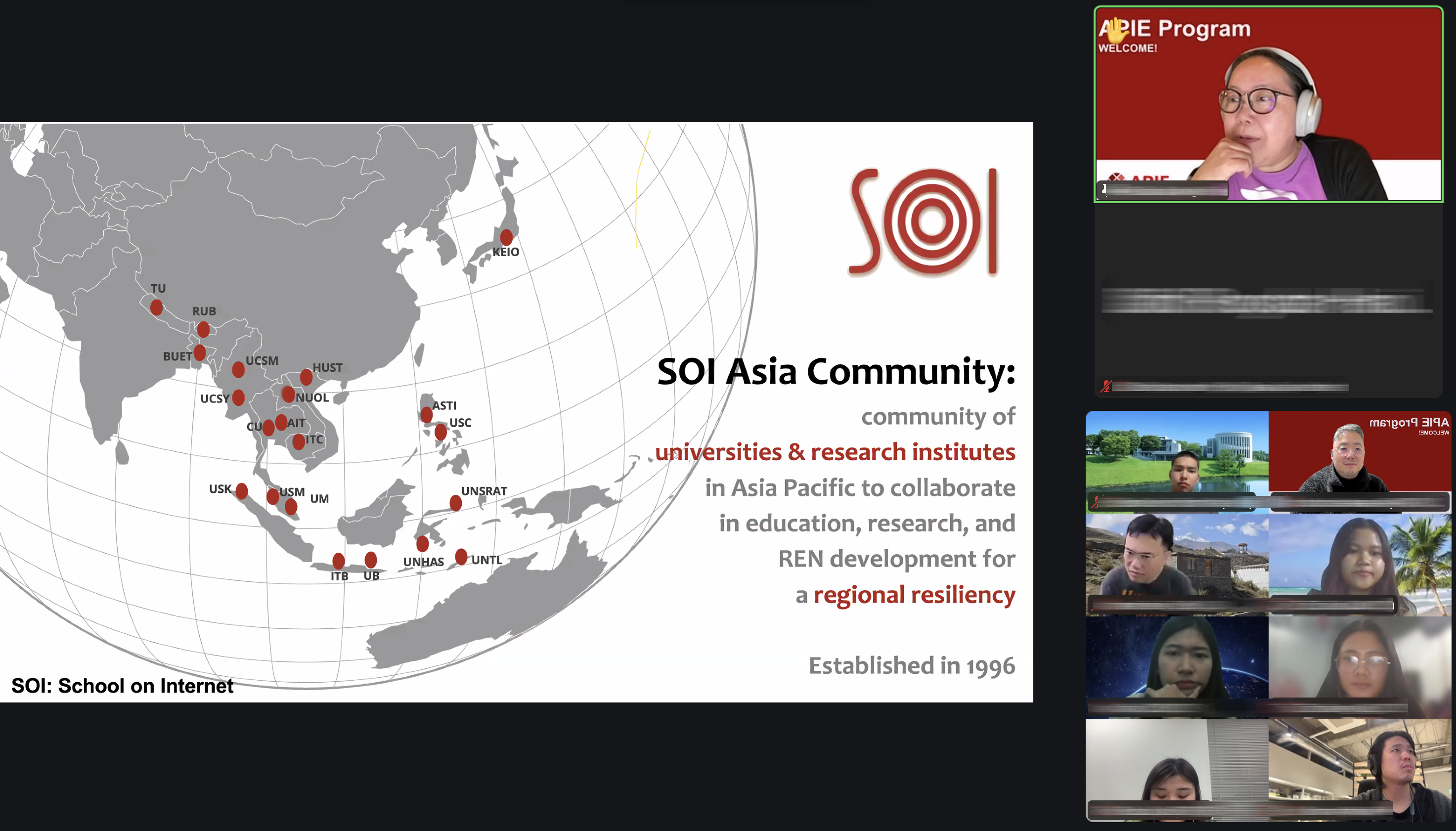
On January 13, 2026, the Asia Pacific Internet Engineering (APIE) program held an online information and onboarding session as part of the preparations for APIE Core Course Batch 08. The session was designed to support students who have already registered, as well as those considering participation, by helping them prepare for the start of the course.
This session was the first of two information sessions scheduled ahead of Batch 08, reflecting an effort to provide additional guidance and clarity before the course begins.
The session was opened by SOI Asia Director Keiko Okawa, who welcomed participants and introduced the objectives and overall structure of the APIE Core Course. More than 40 students joined the session, representing partner universities across Indonesia, Japan, Laos, Malaysia, Myanmar, Timor-Leste, and Vietnam. This batch also marks the first time students from Laos are joining the APIE program, further broadening the regional participation of the course.
A key focus of the session was onboarding and readiness. The APIE team walked participants through the main platforms and tools used throughout the course, including:
SOI Asia account, mainly used for managing digital badges
FutureLearn account, where the core course content is delivered
Google Classroom account, used for accessing course materials and managing attendance
Keiko also explained the course structure, schedule, and learning flow, with particular attention to time zone differences across the region. The session concluded with a short Q&A, addressing questions from participants related mainly to scheduling and participation.
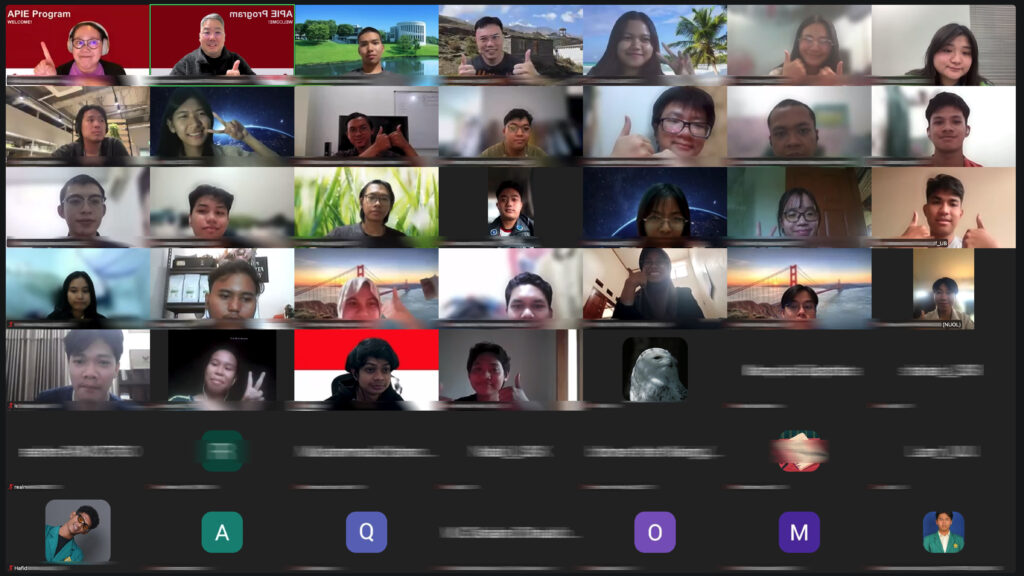
Celebrating the first APIE info session
The meeting closed with a group photo, marking an early moment of connection among participants as they prepare to begin the Batch 08 learning journey. The next session featuring the same content will be held on January 19, 2026.
From August 11–15, 2025, Universiti Sains Malaysia (USM) hosted the seventh APIE Camp, welcoming 24 students from partner institutions in Bangladesh, Indonesia, Myanmar, Nepal, the Philippines, and Malaysia for a week of intensive, hands-on Internet engineering.
Participants explored topics including network deployment, virtualization, DNS, IoT, and cybersecurity, joined industry visits to Dell Technologies and Exabytes Group, and witnessed the inauguration of the new ARENA-PAC link to USM.
Ten days later, on August 25, the camp concluded with final presentations held online, where students showcased their progress and reflected on their learning journey.
The second edition of APIE Advanced Camp took place from May 19–23, 2025, at Keio University SOI Asia’s Haneda campus in Tokyo. This program brought together 24 students from universities in economies across Asia (Bangladesh, Indonesia, Japan, Malaysia, Nepal, the Philippines, and Vietnam) to deepen their understanding of Internet infrastructure and web service deployment through hands-on training and group projects.
Throughout the five-day camp, participants worked alongside mentors from AITAC, APNIC, Keio University, and the University of Tokyo, and visited an industry-leading data center.
The final day featured Meet the Internet Engineers, a unique session where students engaged directly with Internet professionals, APIE alumni, and other collaborators.
Last week, 24 students from across Asia gathered at Universitas Brawijaya (UB) , Malang, Indonesia, for APIE Camp #06—a week of hands-on technical training, problem-solving, and collaboration.
From February 10-14, participants worked alongside experts from APNIC, Amazon Web Services (AWS), UB, and Keio University, diving deep into network design, cybersecurity, cloud computing, IoT, and DNS configuration. The camp wasn’t just about learning—it was about building real-world skills, making new connections, and exploring the future of internet engineering.
This camp also brought welcomed new components: a session about optical networking and a meet up where camp participants and other local students met and talked with network engineers, the event Meet the Internet Engineers.
Take a look at the camp in action:
One of the highlights? The APIE alumni shone more than ever as NOC team or teaching assistants. They stepped up to support students throughout the camp, ensuring a smooth experience and even leading their own sessions. This edition also saw a strong representation of women in tech, with 10 female participants, reinforcing APIE’s commitment to diversity in technology.
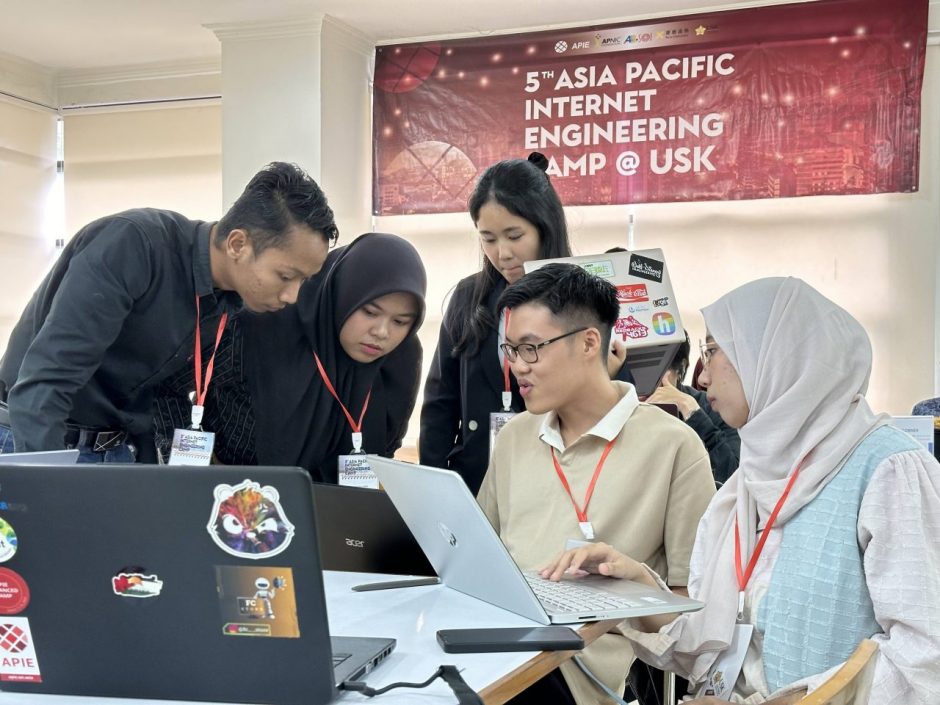
From November 18-22, 2024, 19 students from across Asia gathered at Universitas Syiah Kuala (USK) in Banda Aceh, Indonesia, for a transformative week of hands-on learning and collaboration.
During the 5-day camp, participants worked with experts from APNIC, Amazon Web Services (AWS), USK, and Keio University, immersing in topics like network design, server virtualization, cybersecurity, IoT, and cloud computing.
Watch the recap video for an inside look at the camp experience:
The 5th edition of the camp was again a place for fostering collaboration, technical growth, and diversity. Participants gained hands-on experience in network engineering, IoT and cloud computing, connected with experts, and left the camp with a renewed sense of purpose and direction in their careers.
This camp also saw a significant representation of women in tech—more than 1/3 of female participants, which reinforces the alignment with APIE program supporter APNIC Foundation‘s strategic pillars.
Check out the full event highlights in the blog post: APIE Camp in USK – summary post
Acknowledgments
SOI Asia would like to warmly thank everyone who contributed to the success of this camp! – To Rahmad Dawood (USK), our camp lead, for your outstanding leadership. – To the organizing and support teams, whose dedication to logistics, hospitality, and preparation created a seamless and enjoyable experience for all. – To our teaching assistants and the NOC teams, mostly formed by APIE alumni, for your timely and efficient support throughout the camp. – To APNIC, Amazon Web Services (AWS) (Indonesia), and Aceh Province Data Center, for invaluable contributions, which empowered and inspired participants with knowledge and expertise. – To the APNIC Foundation, for supporting our contributions to advancing digital development across the region. – And most importantly, to each APIE Camp participant—thank you for your hard work and enthusiasm. Congratulations on another remarkable milestone within this vibrant community!